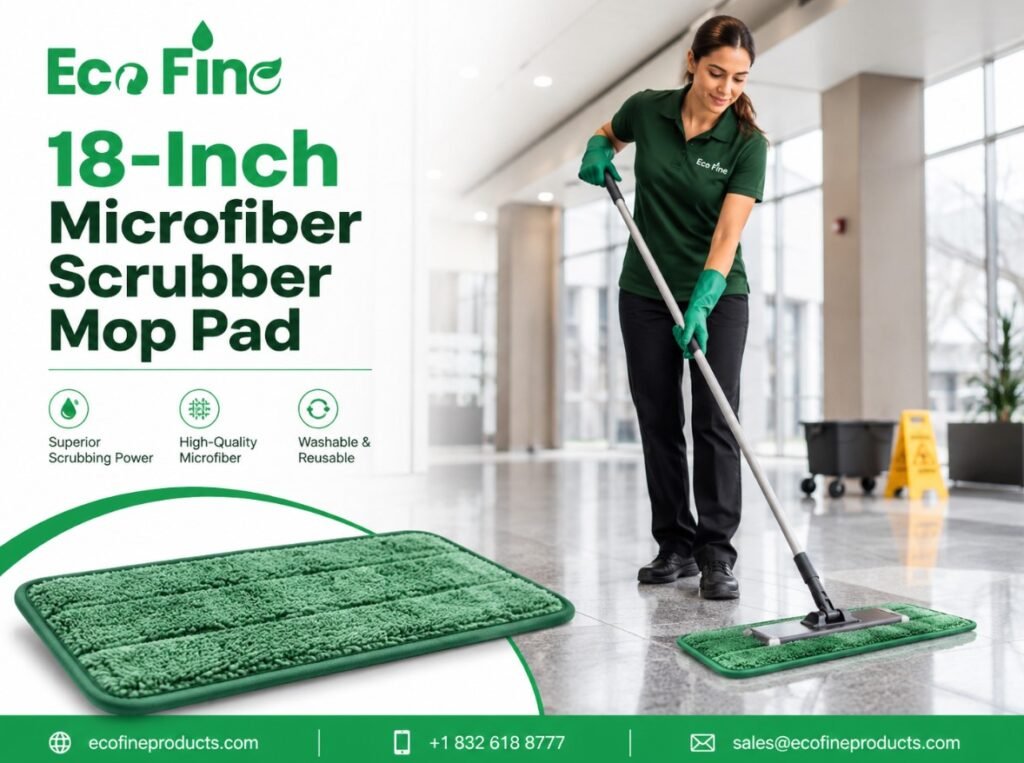
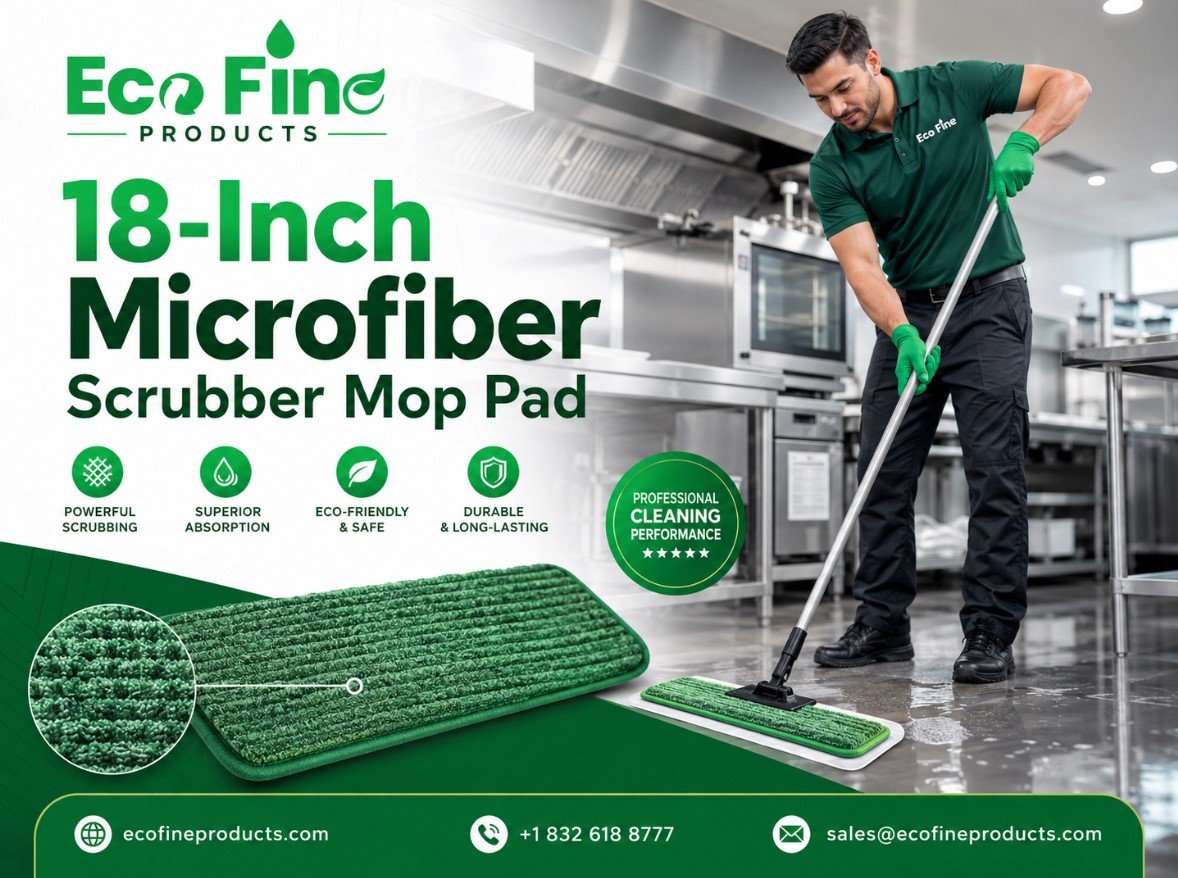
An 18-inch microfiber scrubber mop pad should be selected for a defined floor-cleaning task, with particular attention to the surface and finish involved. A scrubbing description does not make a pad suitable for every coating or authorize aggressive use. Evaluate the 18-inch scrubber pad with compatible equipment and the approved cleaning procedure. This buying guide focuses on controlled trials, repeatable handling and a specification that operations staff can maintain.
Define the Soil and Intended Result
Describe what the cleaning team needs to remove and which floor is involved. Distinguish ordinary adhered soil from finish removal, unknown contamination or another specialist task. Identify the facility’s approved method before choosing equipment. A pad intended to provide mechanical agitation should not be treated as a universal answer to a difficult mark. If the soil or surface is uncertain, resolve that uncertainty through the responsible product or flooring guidance before proceeding with a broader trial.
Confirm Surface Compatibility First
Check the flooring and finish instructions for permitted tools, cleaning products and moisture. Confirm the selected pad’s stated application and restrictions with the supplier. Where the applicable instructions allow a test, assess a limited representative area before extending use. Look for changes to the surface as well as removal of soil. Do not interpret a successful result on one floor as approval for another material or coating in the same building. Record the boundaries of the approved application.
Match the Pad to the Holder
Confirm actual dimensions, backing layout, attachment and edge support for the exact holder. Similar nominal widths do not establish interchangeability between scrubber pads and other flat-mop formats. Install a sample and check security during the approved working movement. Inspect the holder and handle connection separately for wear. Record each approved component so staff can reproduce the configuration.
Standardize Preparation and Handling
Write down the permitted solution, dilution, moisture and technique for the task. Use the relevant manufacturers’ instructions rather than inventing a pressure or dwell-time rule. Show staff how the pad is fitted, changed and returned after use. Define the conditions that require stopping for review instead of repeatedly working a problem area. Operators should know which result is expected and which surface changes or equipment problems need escalation to the supervisor.
Evaluate the Full Cleaning Procedure
Record preparation, soil removal, visible residue, repeat work and any following pickup stage required by the approved method. Check the result after the area has been completed, rather than judging only how the pad feels during use. Compare alternatives under similar conditions. Review floor condition, solution and technique alongside the pad when results vary. Keep observations specific to the tested application; a limited trial does not establish universal cleaning strength or a guaranteed number of uses.
Assess Care and Inspection Requirements
Obtain written cleaning, drying and treatment instructions for the selected product. Inspect the backing, edges and working surface after the permitted care process. Look for damage, insecure attachment or deterioration that prevents dependable use. Keep used pads separate from clean stock and from equipment assigned to another task. Confirm that the facility can carry out the required care before approving a large quantity.
Write a Task-Specific Purchase Record
Include the approved application, actual dimensions, construction, backing, compatible holder and care requirements. Confirm pack and carton quantities for the selected order and list supporting hardware separately. Identify available colors without assuming a color standard applies universally. Ask the supplier to review substitutions affecting the working surface or attachment. Keep the approved sample information available to receiving staff so the replacement is checked against the application record rather than a general scrubber description.
Review Stock After the Trial
Base quantities on observed use, change conditions and care turnaround. Separate active items, used stock, drying items and clean reserve when assessing availability. Track withdrawals caused by damage separately from losses. If the floor procedure or holder changes, reassess the pad before treating the earlier approval as permanent. Send EcoFine the intended application and equipment details when confirming the next order, and keep the approved limitations clear to staff.
Keep Scrubbing Assignments Distinct
Identify scrubber pads separately from equipment approved only for ordinary damp wiping or another application. Make the assignment clear on the cart and at the return point according to the facility’s procedure. A similar backing or nominal width should not encourage staff to exchange pads without checking their intended use. Explain who reviews a request to use the scrubber on another surface. When the assignment changes, update the application record and training together rather than relying on an informal description passed between employees at shift handover.
Specification and Use Checklist
| Check | Requirement |
|---|---|
| Finished size | Confirm actual pad dimensions |
| Backing | Match the approved holder |
| Care | Use product-specific instructions |
| Order units | Confirm pads, packs and cartons |
Frequently Asked Questions
What should be defined before selecting a scrubber pad?
Identify the soil, surface, intended result and approved procedure. Keep specialist tasks separate from ordinary floor-maintenance requirements.
Is a scrubbing description approval for every finish?
No. Follow flooring, finish and product instructions for the exact application. Confirm restrictions and assess only the procedure permitted.
Will any similarly sized holder fit?
Do not assume that. Confirm dimensions, backing, attachment and support with the supplier, then test the intended pad-and-holder combination.
Should staff invent pressure or dwell-time rules?
No. Use the applicable manufacturers’ instructions and approved method. Explain stop conditions and which issues require supervisor review.
What should the trial evaluate?
Review soil removal, visible residue, repeated work, surface condition and any following pickup stage required by the approved procedure.
How should the pad be maintained?
Follow written product-specific instructions. Inspect backing, edges and the working surface after care, and keep used items separate from clean stock.
What belongs in the purchase record?
Include approved application, dimensions, construction, backing, holder, care limits and order units. Review substitutions affecting the working surface or attachment.
How should quantities be planned?
Use observed consumption, change conditions and care turnaround. Count active, used, drying and reserve stock rather than relying on a fixed multiplier.