
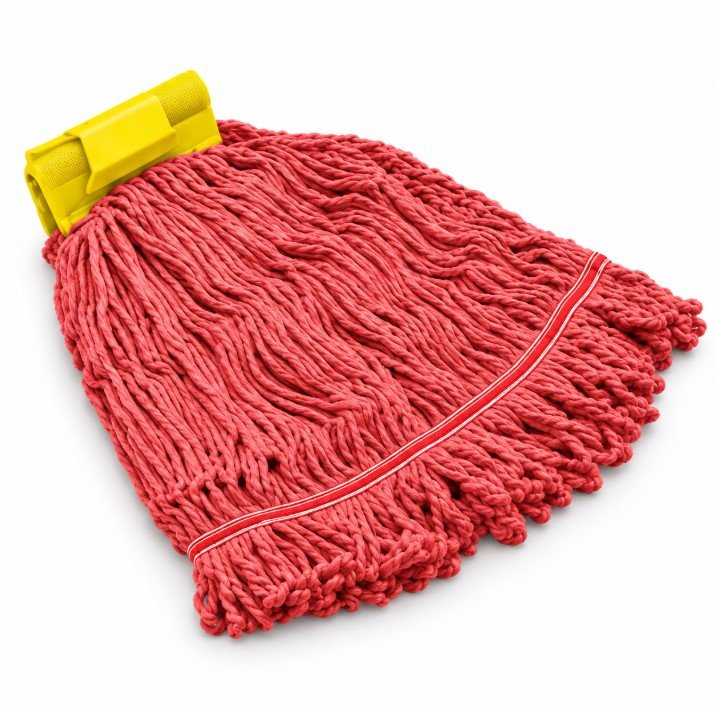
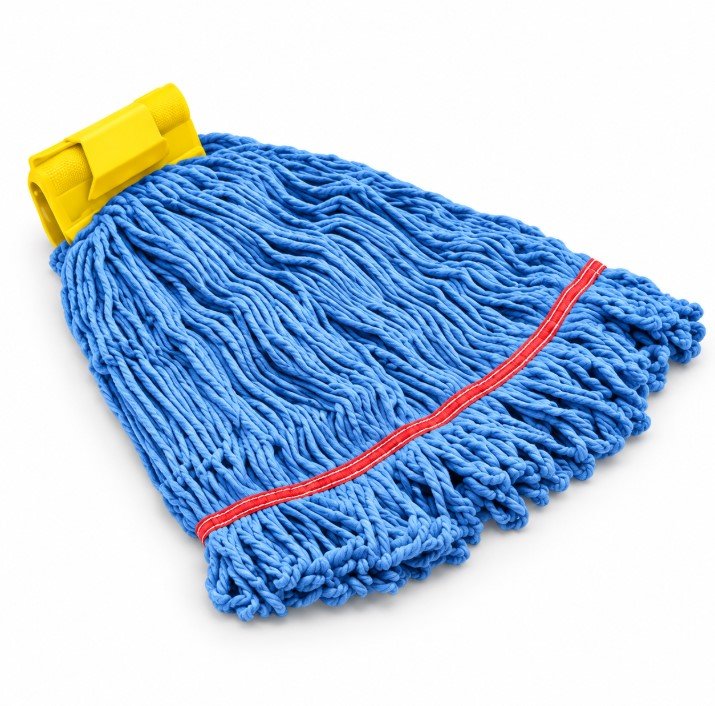
Looped-End Wet Mop for Durable High-Performance Floor Cleaning
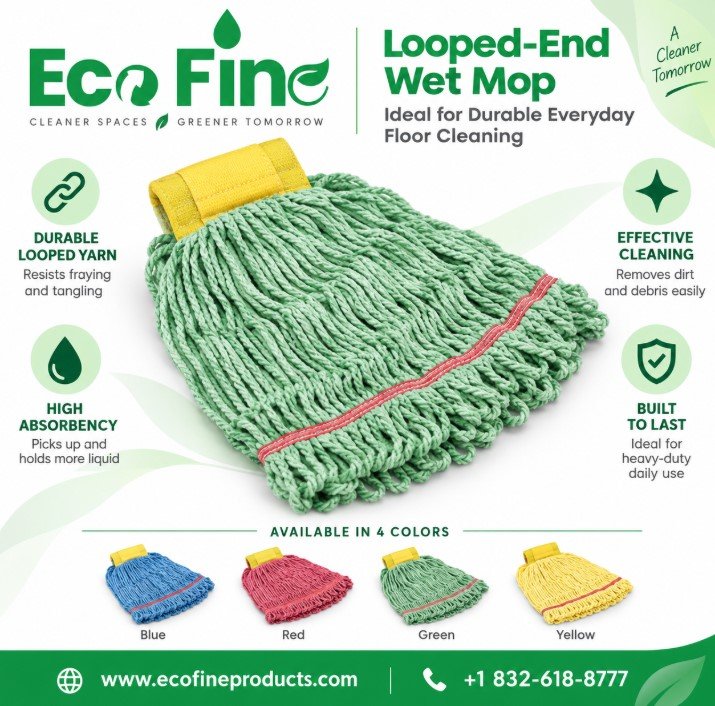
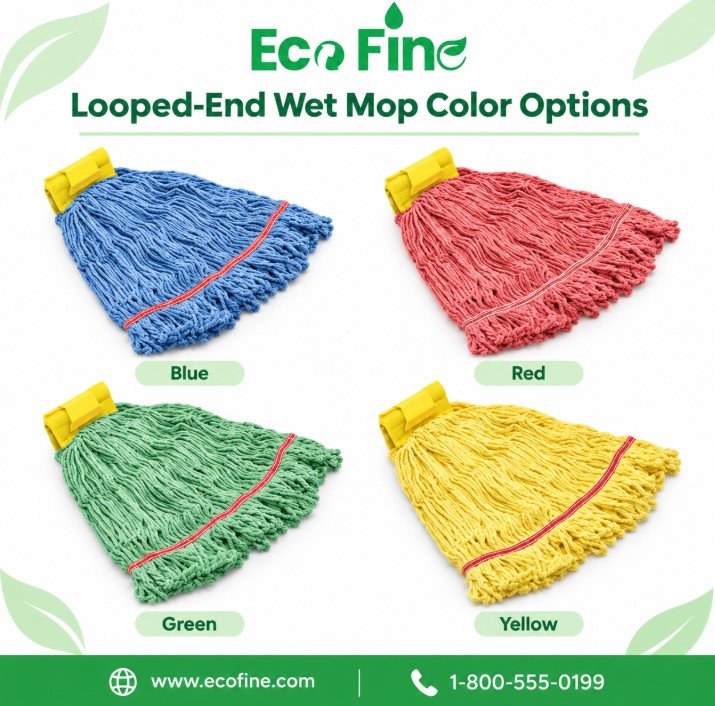
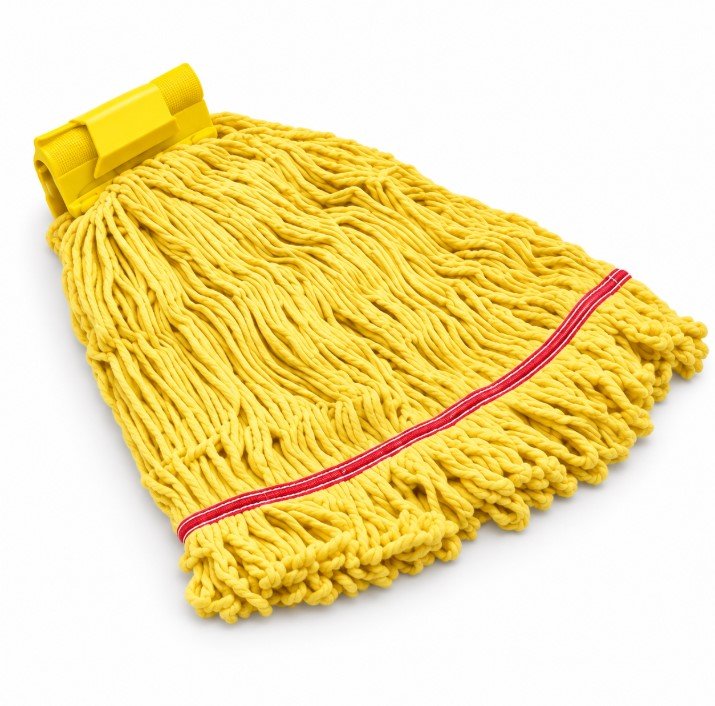
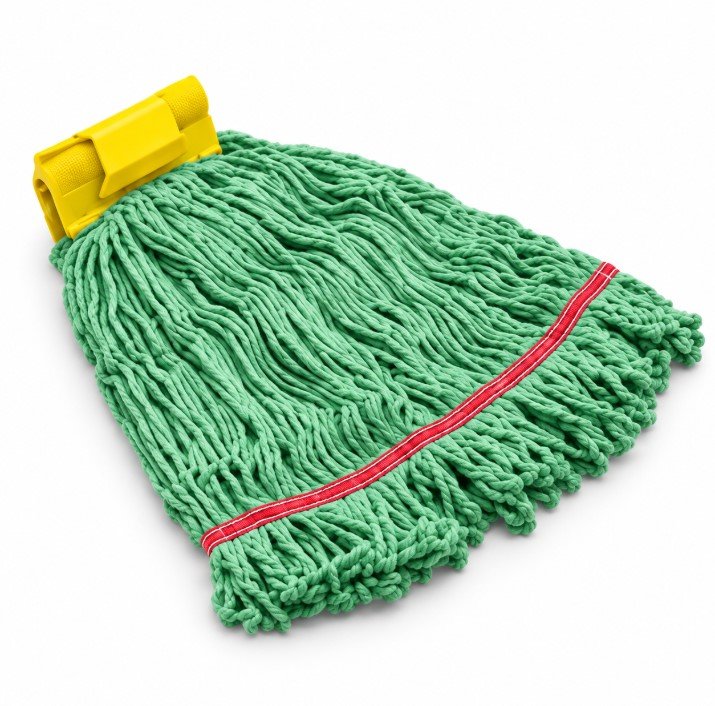
EcoFine Looped-End Wet Mop for routine commercial floor washing and janitorial maintenance. Connected yarn ends help control the working mop head and reduce loose strands.
- Construction: looped-end.
- For contractors, hotels, schools and facility teams.
- Match the head to a compatible handle and wringer.
- Follow the supplied cleaning and care instructions.
Looped-End Wet Mop for Commercial Cleaning
The EcoFine Looped-End Wet Mop is a general commercial floor-care option for janitorial teams that want connected yarn ends and a controlled cleaning head. Use it for routine wet mopping on suitable hard floors, with cleaning solution and equipment selected for the job.
This product is identified by its construction. The looped ends distinguish it from an open-ended mop, while material, attachment and care requirements should be checked separately when matching an existing cleaning system.
Product Specifications
| Product Detail | Specification |
|---|---|
| Product Name | Looped-End Wet Mop |
| Product Family | Looped Mops |
| Construction | Looped-End |
| Primary Use | Commercial Wet Floor Cleaning |
| Key Benefit | Controlled Yarn and Wide Coverage |
| Typical Feature | Reduced Fraying and Lower Lint |
| Recommended Users | Janitorial Teams, Hotels, Schools, Hospitals |
| Related Products | Cotton, Blended and Natural Looped-End Wet Mops |
What Looped Construction Changes
Connected yarn ends help keep the working strands together as the mop moves across the floor. This supports a more organized cleaning path and reduces the loose ends associated with fraying. Inspect the head regularly because construction does not eliminate wear or the need for replacement.
Coverage depends on how the head is spread, the available floor space and the operator’s technique. Work around obstacles in controlled passes instead of forcing the head into corners or dragging it across sharp edges.
Match the Complete Cleaning System
Check the handle connection before ordering replacement heads. The attachment must hold the mop securely without allowing it to slip during normal movement. Headband style and wringer capacity matter alongside the mop itself.
A saturated head carries additional liquid weight. Choose equipment the operator can guide comfortably throughout the route. Review commercial Aluminum Mop Handles when assembling a system, and match the actual fitting rather than relying on appearance.
Plan the Route Before Wet Mopping
Remove loose debris first so that wet cleaning does not simply move dust and grit around the room. Identify the work area with warning signs and arrange a route that leaves the operator a clear exit.
Prepare the cleaning solution according to its label. Begin in cleaner sections and progress toward dirtier areas, keeping equipment assigned to the appropriate zone. Change solution when required by the cleaning procedure; visibly dirty water should not be carried through the entire building.
Control Moisture and Check the Result
Use the wringer to manage the amount of solution reaching the floor. The surface should receive the moisture required by its cleaning procedure without unnecessary puddles. Floor finishes, timber products and other moisture-sensitive surfaces may require a different method.
Inspect the completed area for remaining soil, streaks and standing liquid. Allow the floor to dry before reopening it. Where disinfectants are used, follow the chemical label for dilution, application and contact time; the mop itself does not provide disinfection.
Cleaning, Inspection and Storage
Follow the care directions supplied with the head. Looped yarn alone does not establish machine-washing suitability, acceptable temperatures or chemical resistance. Where laundering is permitted, use the specified process.
Check the attachment and yarn after cleaning. Embedded debris, hardened residues and damaged connections can interfere with the next job. Dry and store the head as directed, keeping it separate from dirty equipment. Replace it when its condition prevents reliable cleaning.
Choose by Construction and Task
Compare the Cotton Looped-End Wet Mop when cotton yarn is a purchasing requirement. The Blended Looped-End Wet Mop provides a separately identified mixed-fiber option. Neither material choice should be inferred from the generic looped-end name.
For coating work, review the separate Floor Finish Wet Mop and the coating manufacturer’s applicator requirements. General floor washing and finish application need different equipment decisions.
Commercial Ordering
For replacement or bulk purchasing, share the product name, required quantity and handle fitting with EcoFine. Include any material or packaging requirements your facility specifies. Clear purchasing details help your team receive the intended cleaning equipment and organize repeat orders.
Keep Staff Handover Consistent
When several people share a cleaning route, agree on how equipment is handed over between shifts. Identify which heads are ready for use, which need cleaning and which have been removed because of damage. A simple storage arrangement can prevent an unsuitable head being picked up during a busy changeover.
Record recurring problems such as slipping attachments, difficult wringing or debris left behind. Check the equipment and working method before assuming the mop alone is responsible. A worn handle or an unsuitable floor-care process can affect the result even when the replacement head is sound.
Supervisors can use these observations when reviewing replacement supplies. Keep the accepted product details with the route instructions so that purchasing staff and operators refer to the same equipment. This is particularly useful for contractors moving supplies between several commercial locations.
Share recurring equipment concerns with the person responsible for maintenance so that faults are addressed before the next scheduled floor cleaning shift begins.
Frequently Asked Questions
What is this mop intended for?
Routine commercial wet-floor cleaning and floor washing on suitable hard surfaces. Select the chemical and cleaning method according to the surface and facility procedure.
What does looped-end mean?
The working yarn ends are connected into loops rather than left open. This helps organize the strands during cleaning.
Does the name specify cotton yarn?
No. Looped-end identifies construction. Check the supplied material details if your purchasing requirement specifies cotton or another fiber.
Which handle fits this head?
Use a handle matching the supplied attachment. Check the connection on existing equipment before ordering replacements.
Can I use any wringer?
Match the wringer to the mop and working capacity. An unsuitable combination can make moisture control difficult.
Is the mop lint-free?
Do not treat looped construction as a lint-free guarantee. Inspect the yarn and choose equipment suited to the task.
Can the head be machine washed?
Only where its supplied care instructions permit it. Follow the approved washing and drying process.
When should it be replaced?
Replace a head with persistent contamination, damaged yarn or an insecure attachment that cannot be restored to a suitable working condition.
Get a Customized Quote
Request a wholesale quote for microfiber cleaning products, commercial mops and janitorial supplies.
Share the products, quantities, delivery location and any branding requirements below so our team can review your enquiry.
Reviews
There are no reviews yet.