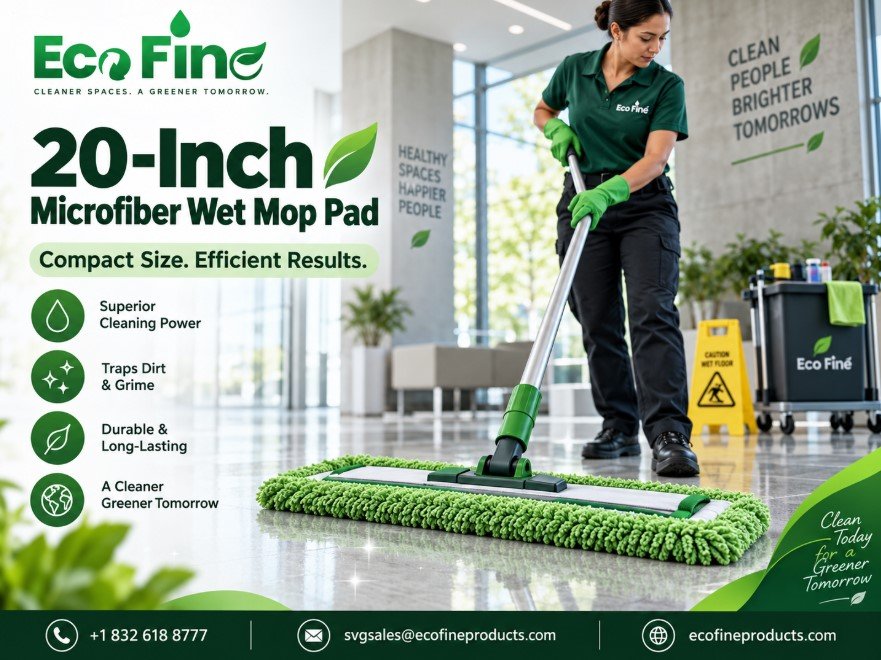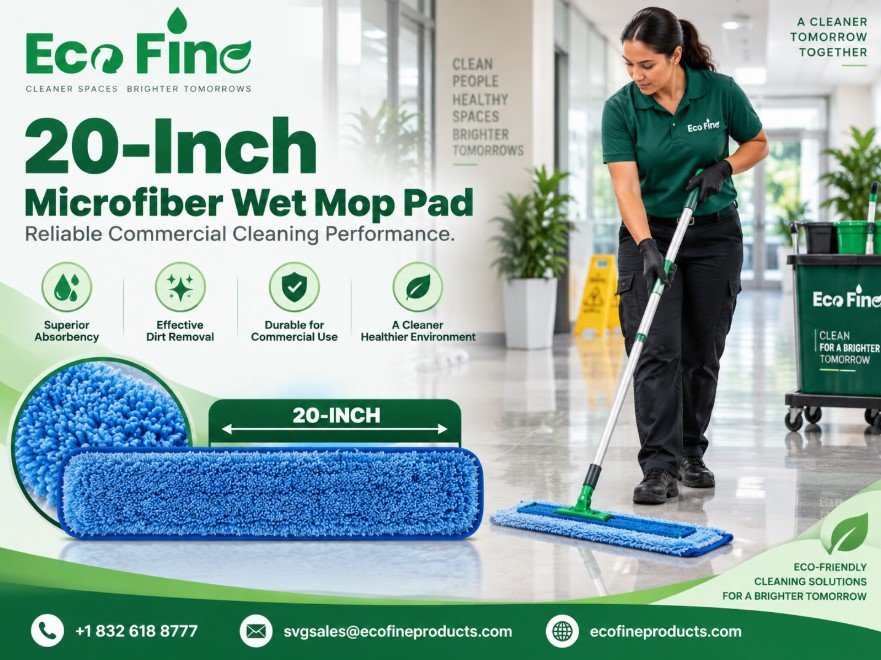
A 20-inch microfiber wet mop pad can be evaluated as part of a hotel’s planned floor-maintenance routine. The useful question is where this size fits the property’s surfaces, equipment and staffing. Guest corridors, service routes and furnished public areas present different working conditions. Assign the pad to an approved task, confirm its holder and prepare enough clean replacements before introducing it across shifts. Review the 20-inch replacement pad against your equipment specification rather than relying on the product name alone.
Map Guest and Service Routes
Walk the proposed route with housekeeping and maintenance staff. Note doorways, furniture, entrance matting, lift approaches and changes in flooring. A nominal 20-inch width does not establish whether the complete holder will turn comfortably between fixtures. Identify places where a narrower tool or another method remains necessary. Keep the route description specific enough that relief staff can follow it. Separate routine maintenance from spill response, specialist contamination procedures and floor-finish application.
Confirm the Complete Pad and Holder Fit
Compare the pad’s actual dimensions, backing and attachment arrangement with the intended holder. Confirm whether the listed size describes the pad itself or a nominal system width. Request the exact compatible configuration before standardizing replacements. Install a sample and check edge support, secure attachment and movement around turns. Test it in the condition used by staff, including the approved moisture level. Inspect the holder and handle connection separately; worn equipment can create problems that changing the pad will not resolve.
Protect the Floor and Manage Moisture
Follow the flooring and cleaning-product manufacturers’ instructions for the surface involved. A microfiber label does not establish compatibility with every floor, chemical or application method. Identify the approved solution, dilution and preparation procedure in staff instructions. Where required, remove loose dry debris before damp maintenance. Plan how the area will be controlled while the floor remains wet and how staff will confirm it is ready for normal access.
Train a Repeatable Cart Routine
Show employees how to prepare, fit, use, remove and return the pad. Keep clean replacements in a designated cart compartment and provide a separate place for used items. Explain the property’s zone assignments, including any color system actually available. Color is an identification aid, not proof that an item is clean. Demonstrate the change procedure and the conditions requiring a fresh pad. A brief observed practice session helps supervisors identify fit or handling problems before the routine expands to several floors.
Plan Laundry Turnaround and Clean Stock
Count the pads used on each scheduled route and the time required for their approved care process. Account for items in active use, awaiting cleaning, drying and clean reserve. Determine the replacement stock from those observations rather than choosing an arbitrary multiplier. Obtain written instructions for detergent, temperature, drying and any prohibited treatments. Keep laundry handling consistent with the hotel’s hygiene procedure. Inspect pads after care for backing damage, loose edges, persistent residue and declining attachment security before returning them to the cart.
Run a Small Hotel Trial
Begin with a representative route rather than the easiest empty corridor. Record setup, completed work, visible residue, repeat passes, pad changes and employee feedback. Repeat the assessment after permitted care cycles. Compare alternatives on the same surface and under similar conditions. If streaks appear, review soil loading, solution preparation, moisture, pad condition and technique together. Avoid concluding that the pad alone caused the problem. Keep the findings as evidence for that property instead of presenting them as a universal cleaning-speed claim.
Make Reorders Easy to Check
Save the approved item reference, dimensions, attachment details, color and quantity per pack. State whether the order covers pads alone or any supporting equipment. Receiving staff should compare deliveries with that record before distributing replacements. Ask the supplier about any proposed change in backing, size or packaging. Update the record only after the replacement is assessed. For help confirming the required configuration, send EcoFine the equipment measurements and intended hotel route.
Review the Routine When Occupancy Changes
A hotel’s cleaning demand can change with events, occupancy and the availability of serviced areas. Ask supervisors to review the route and clean-stock requirement when the workload changes, rather than expecting the original trial to cover every schedule. Record where staff run short of prepared pads or repeatedly return to storage. Check whether the issue comes from stock, laundry turnaround, cart allocation or a changed route. Update the written routine after resolving the cause, and explain the change to employees covering another floor or shift.
Pad Specification Checklist
| Check | Planning point |
|---|---|
| Dimensions | Confirm actual pad measurements |
| Attachment | Match backing to the approved holder |
| Order unit | Confirm pads per pack and packs per carton |
| Care | Use written product-specific instructions |
Frequently Asked Questions
Where should a hotel start a trial?
Choose one representative route with normal turns, surfaces and workload. Confirm equipment fit, handling and results before assigning the pad throughout the property.
Will any 20-inch holder fit?
Do not assume universal fit. Confirm actual dimensions, backing, attachment layout and the supplier-approved pad-and-holder combination before ordering replacements.
Can it be used on every hotel floor?
Surface suitability depends on the flooring, solution and procedure. Follow the applicable manufacturers’ instructions and assess the intended combination first.
How many clean pads are needed?
Base stock on observed use and care turnaround, including pads in service, awaiting cleaning, drying and clean reserve. Review the count when schedules change.
What should staff learn first?
Demonstrate pad preparation, secure fitting, route technique, change conditions and separate return storage. Observe initial use and correct inconsistent handling.
How should used pads be handled?
Keep used items separate from clean stock and follow the property’s hygiene and laundry procedures. Use the care instructions for the selected product.
When should a pad be replaced?
Replace it when damage, insecure attachment or deterioration prevents dependable use after approved care. Inspect the holder separately for wear.
What belongs in a repeat-order record?
Record the approved item, dimensions, backing, color, pack quantity and compatible hardware. Review substitutions before accepting them into the cleaning program.