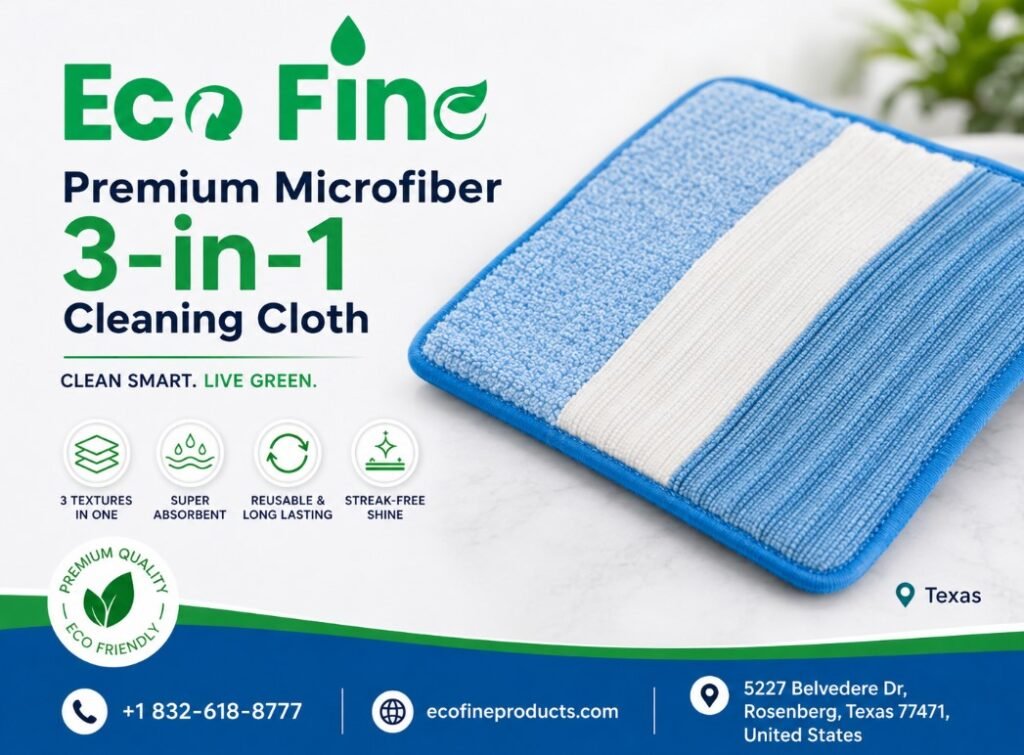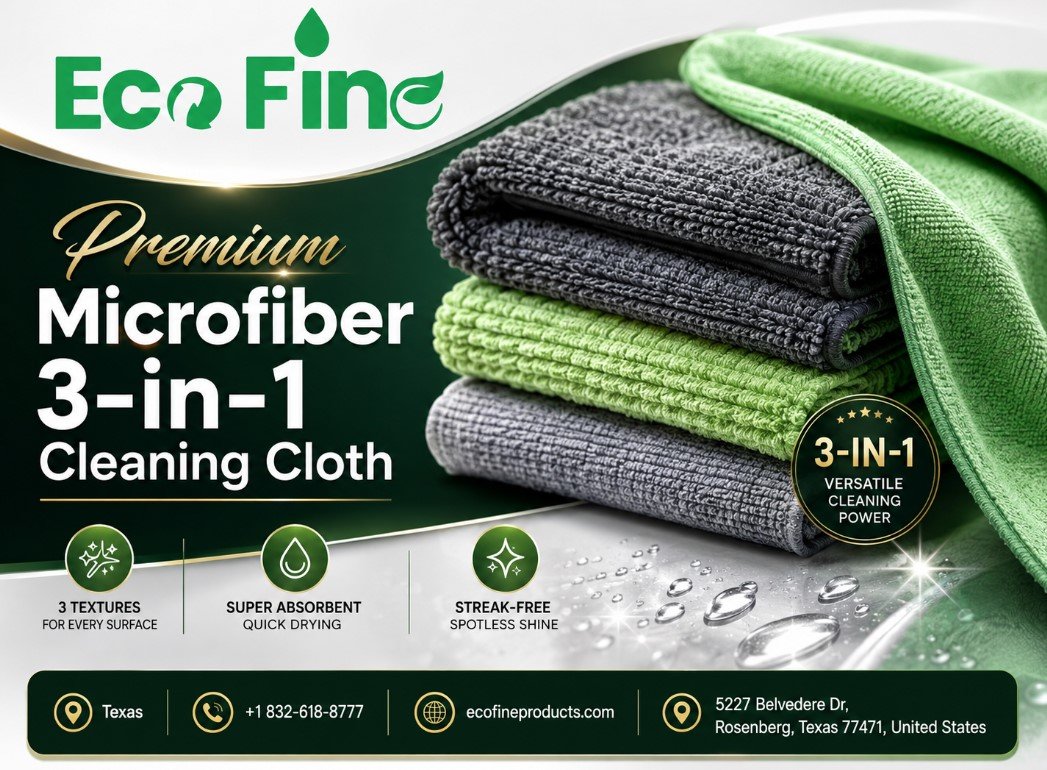
Record the approved functions before comparing packs or accepting replacement stock. A wholesale order for 3-in-1 microfiber cleaning cloths should define the required functions and the exact item supplied. Light scrubbing, wiping and polishing are application descriptions, not proof of three physical layers or universal surface compatibility. Begin with the 3-in-1 cleaning cloth and confirm its current configuration. This guide focuses on functional sample approval, pack quantities and a specification that purchasing and janitorial teams can recognize.
Translate Functions Into a Requirement
Ask operations to describe the surfaces, ordinary soil and approved method behind the purchase request. Identify which functions the item will support and where another tool remains necessary. Keep specialist procedures and required following stages distinct. A supplier needs more than a request for a versatile commercial cloth to understand the task. Attach the application notes to the purchasing record, so future buyers can distinguish a suitable replacement from another multifunction product that has not been assessed on the intended work.
Confirm Construction and Measurable Details
Obtain the selected item’s construction, available dimensions, edge finish, colors and care instructions. Include fabric weight or composition only where verified for that product. Do not infer physical layers, separate panels or material percentages from the 3-in-1 name. Keep the supplier reference and supporting information with the proposed configuration. Photographs can assist identification, but they should not stand in for missing measurements, pack contents or a performance characteristic that has not been confirmed.
Approve Each Intended Function
Use representative tasks and the approved preparation method with the regular users. Record which action is assessed, the surface involved, handling, visible result and repeated work. A successful wiping trial should not automatically approve scrubbing on another finish. Compare alternatives under similar conditions and preserve the boundaries of the application. The sample decision should identify what worked locally, rather than converting the product’s functional description into a universal cleaning, polishing or surface-protection guarantee.
Include Changes Between Stages
Assess the cloth-change and return process as well as the action on the surface. Confirm when loading, damage or a task boundary requires a fresh item. Where finishing is needed, define the required fabric condition rather than assuming the same soiled cloth remains appropriate. Keep required sanitation or specialist stages under their own procedures. This gives the buyer an operating requirement that can be reproduced during a later sample comparison, instead of an isolated demonstration that omits normal handling.
Assess the Available Care Process
Follow the supplied care instructions and reassess the maintained sample before approving larger quantities. Confirm that intended receiving locations can perform the required cleaning and drying process. Inspect fabric, edges and persistent residue after care. A reusable and washable description does not establish a fixed service life or one universal laundry method. Keep maintenance requirements with the specification so proposed alternatives are reviewed against the same practical process used by the janitorial team.
Confirm the Selected Pack Basis
Ask which pack or variation the order refers to and how many cloths it contains. Listed pack options do not establish which quantity applies to every displayed amount or purchasing format. State whether the request counts cloths, packs or cartons and confirm the contents of each unit. Include destination and color allocations where needed.
Review Packaging and Product Changes Separately
Define any label or custom-packaging requirement and confirm availability and approval with the supplier. A packaging update should not silently authorize a different working cloth. Request review of substitutions affecting construction, dimensions, care or item reference. Compare the alternative with the approved functional trials and notify operations when handling needs revision. Keep the current accepted specification distinguishable from earlier samples, allowing receiving and purchasing staff to work from the same version.
Retain a Practical Repeat-Order Record
Check incoming identification, quantities and representative item details against the approved configuration before distribution. Keep discrepancies identifiable while they are resolved. Review usable stock, items in care, losses and condition-based withdrawals when planning further supply. Ask EcoFine to confirm the current item and required quantities using the agreed record. Another buyer should be able to repeat the accepted configuration without interpreting a broad 3-in-1 label or reconstructing an informal sample discussion.
Review New Tasks as New Requirements
If the program adds another surface or cleaning method, ask operations to assess the relevant function before extending approval. Record any application limit and update staff instructions when the method changes. Keep that decision with the purchase specification rather than assuming the existing supplier relationship settles suitability. This preserves a clear standard for established work while allowing the organization to review new assignments using evidence from the actual item and operating process.
Specification and Use Checklist
| Check | Requirement |
|---|---|
| Light scrubbing | Assess only on a suitable approved surface |
| Wiping | Define loading and fresh-cloth conditions |
| Polishing | Use fabric suitable for the finishing stage |
| Specification | Confirm construction, dimensions and pack units |
Frequently Asked Questions
Does the name establish three layers?
No. Confirm the actual construction. The 3-in-1 description identifies cleaning functions rather than proving separate physical layers.
What belongs in the functional requirement?
Identify surfaces, ordinary soil, approved methods and which functions are intended. Keep application limits attached to the purchase record.
Which specifications should be verified?
Confirm construction, dimensions, edges, colors and care for the selected item. Include composition or GSM only where documented.
Does a wiping trial approve scrubbing elsewhere?
Not automatically. Assess each intended function on the relevant surface and retain the boundaries of the local approval.
Why assess transitions between stages?
Changes, loading and return affect normal use. Specify the condition required for finishing rather than assuming a soiled cloth remains appropriate.
Do listed pack options identify every order quantity?
No. Confirm the selected pack or variation and its contents. State cloth, pack and carton units clearly.
How should alternatives be reviewed?
Compare construction, dimensions, care and functions with the approved trials. Separate packaging changes from working-product changes.
What should receiving and reordering use?
Use the current item, specification, quantity units and care record. Review discrepancies and new application requirements before distribution.