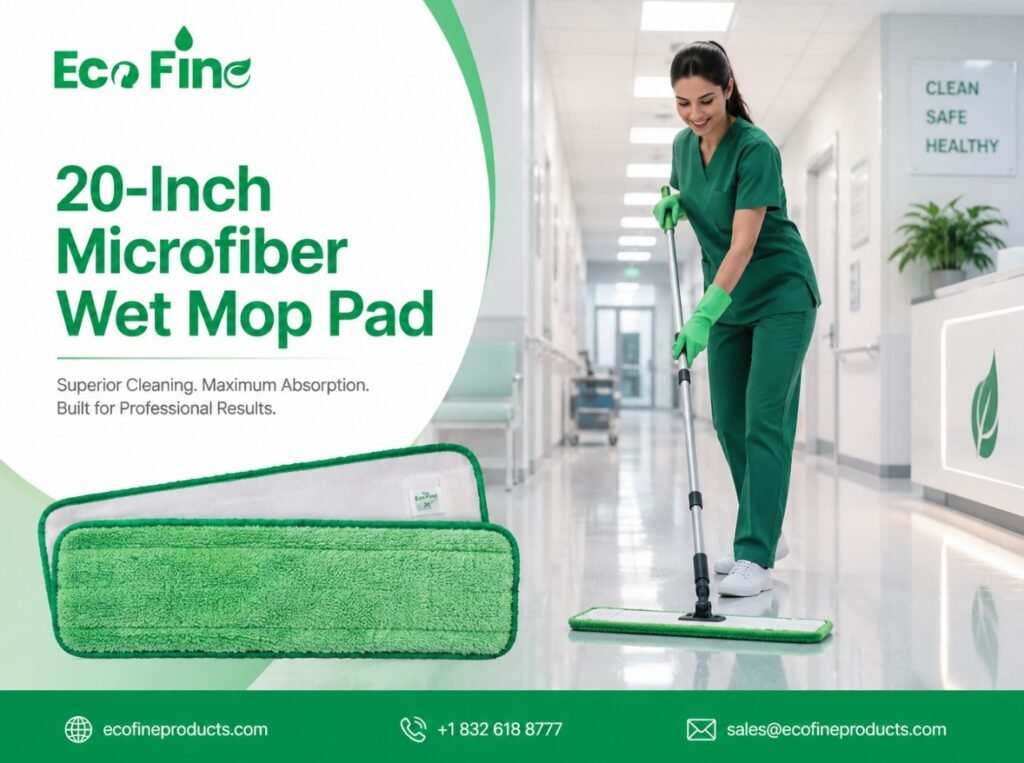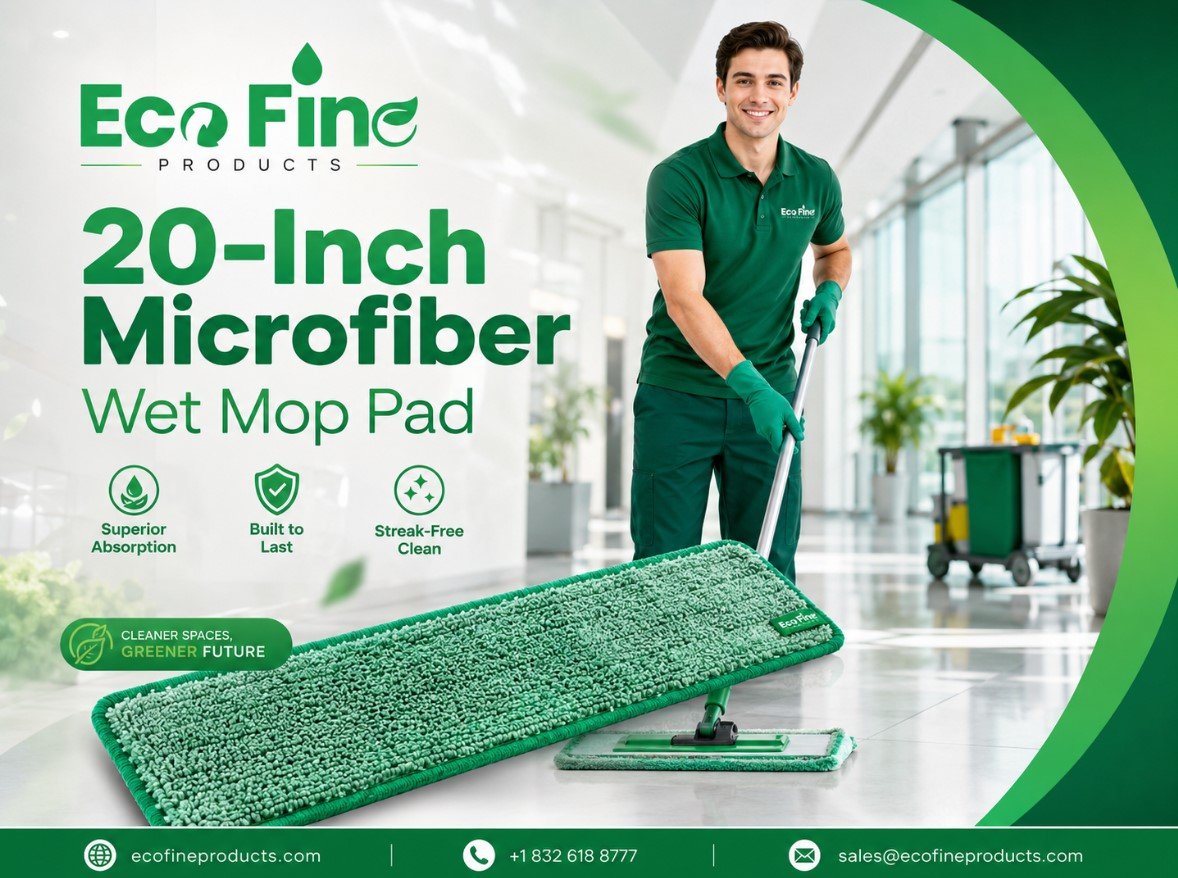
Buying 20-inch microfiber wet mop pads for an existing fleet requires a clear match between the replacement and the holders already in service. A familiar size name is useful for identifying a candidate, but it does not prove that the backing or attachment will fit. This guide focuses on replacing stock without introducing an unintended equipment change. Begin with the 20-inch microfiber replacement pad, then confirm the details that determine dependable use.
Inventory the Holders Before the Pads
Identify the holder models or item references used by each team. Photograph the attachment surface and measure the relevant dimensions. Check the handle connection and any moving parts for damage. If the fleet contains different systems, keep their requirements separate. A replacement trial can fail because a holder is worn rather than because the pad specification is wrong.
Describe the Required Replacement Precisely
Record the pad’s actual length, width, backing arrangement and edge construction. Ask how the supplier defines the nominal size and whether a finished-size tolerance applies. Include the confirmed color and pack quantity without assuming those details are identical across every purchasing format. Attach clear equipment photographs to the specification where helpful. Keep unresolved measurements marked for confirmation before approval rather than allowing the general phrase 20-inch pad to stand in for a complete description.
Check Fit Through Normal Movement
Install a sample on the intended holder using the approved preparation method. Look for unsupported edges, slippage or repeated adjustment as the operator changes direction. Assess the setup on a representative route, including doorways and furniture. Confirm that the pad stays positioned in the working condition, rather than checking only a dry sample on a table. Record the exact combination assessed so a successful trial does not accidentally approve a different holder elsewhere in the fleet.
Test the Work and the Return Process
Include preparation, route use, pad changes and collection of used items in the evaluation. Ask staff to record visible residue, repeat passes and handling concerns. Review floor condition, cleaning solution, moisture and technique alongside the pad. Follow the approved care process and repeat checks before deciding on the replacement. A sample that looks suitable when new may still create difficulties if the facility cannot maintain its backing or cleaning surface through normal use.
Plan the Transition Between Stocks
Identify whether existing usable pads remain approved and how new stock will be labeled. Avoid mixing unreviewed alternatives in the same storage position. Explain the new item reference to supervisors and receiving staff before distribution. Retain enough suitable equipment to support the schedule while samples or discrepancies are reviewed. A controlled transition gives cleaners a clear choice and makes it easier to connect reported problems with the actual pad, holder and care process involved.
Confirm Order Units and Components
State the required quantity as pads, packs or cartons and confirm the contents of each unit. Identify replacement-only requirements separately from requests for new holders or handles. Ask the supplier to confirm availability, delivery requirements and any proposed configuration changes for the actual order. Do not infer a complete set from a product photograph.
Keep Acceptance Checks Practical
Compare incoming identification, quantities, dimensions and backing with the approved record before distributing the shipment. Review a representative sample according to the facility’s receiving procedure. Keep discrepancies identifiable and ask the supplier to resolve them before the affected stock reaches several sites. Retain documentation of accepted alternatives. If fit or care requirements change, refer the item back for assessment instead of treating a similar appearance as evidence that it is an equivalent replacement.
Use Operating Feedback for Reorders
Track shortages, damage, losses and items removed from service separately. Review clean-stock availability against actual use and care turnaround. Ask operators to identify recurring attachment or handling issues with the approved item reference. Resolve holder wear or inconsistent preparation before changing the pad specification across the fleet. For further supply, contact EcoFine with the confirmed replacement requirements and retain the resulting configuration record for the next buyer.
Keep the Trial Stock Identifiable
Label trial items according to the facility’s existing equipment-control method so staff can distinguish them from approved replacement stock. Record which holder and route each sample is assigned to, and collect feedback using that reference. Avoid drawing conclusions from a mixed set of samples whose preparation or care history is unclear. Ask the supervisor to confirm when the trial is complete and which configuration was accepted. Retain the final specification separately from rejected or superseded options, so the next order does not accidentally restore an alternative that failed the assessment.
Specification and Use Checklist
| Check | Requirement |
|---|---|
| Finished size | Confirm actual pad dimensions |
| Backing | Match the approved holder |
| Care | Use product-specific instructions |
| Order units | Confirm pads, packs and cartons |
Frequently Asked Questions
Why inventory the equipment before ordering pads?
It separates holder wear from replacement-pad requirements and identifies attachment differences within the fleet before sample trials begin.
Does a 20-inch label prove fit?
No. Confirm finished dimensions, backing and attachment with the intended holder. Check the exact configuration rather than the width alone.
Should fit be checked only with a dry sample?
Assess the pad in its intended working condition using the approved preparation method, including normal movement, turns and attachment security.
What should a replacement trial record?
Record handling, visible residue, repeat work, pad changes and condition after permitted care. Inspect solution, moisture and technique when results vary.
How should new stock enter the fleet?
Keep approved old and new configurations identifiable. Explain the item reference and resolve discrepancies before distributing replacements across several teams.
Is hardware included with replacement pads?
Confirm the actual order contents. State pad, pack or carton quantities and list any holders or handles separately.
What should happen to a delivery mismatch?
Keep the affected stock identifiable and seek supplier review before distribution. Compare it with the approved dimensions, backing and item record.
What feedback should influence a reorder?
Review shortages, losses, damage and recurring fit issues alongside holder condition, preparation and care turnaround before changing the specification.