
Bamboo Multipurpose Cloth: Hotel Cleaning Guide
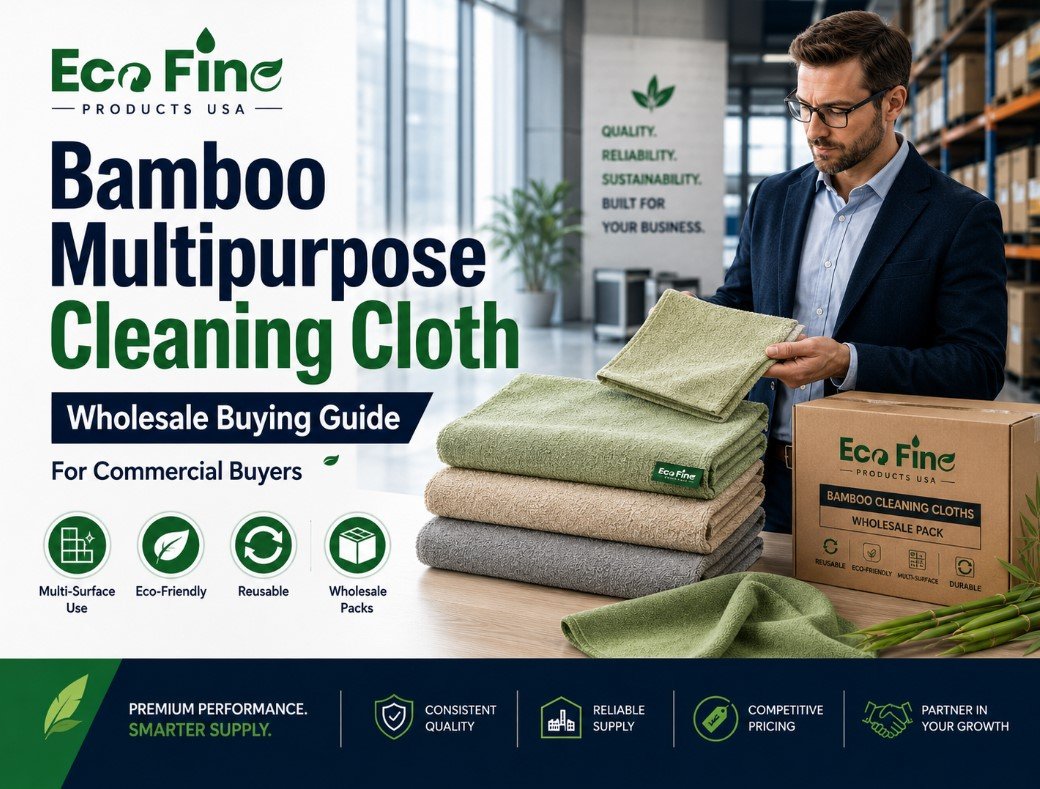
A bamboo multipurpose cloth routine for hotels should start with the surface-cleaning task, the selected product specification and the method for returning clean stock. The bamboo name does not establish an exact fiber blend, certification or antibacterial property. Evaluate the bamboo multipurpose cloth within the property’s approved housekeeping process. This guide focuses on assigning routine wiping work, separating it from guest-use textiles and maintaining a practical record across shifts.
Choose a Dedicated Housekeeping Assignment
Identify the compatible surface, ordinary soil and approved method the cloth will support. Keep specialist procedures and required sanitation stages separate. A multipurpose description should not become permission to use one item on every fixture or move it between hygiene zones. Record where another tool or process is needed. Give relief staff a task description they can follow without guessing, so the operating decision remains tied to the assignment assessed rather than a broad material name.
Confirm the Selected Cloth Details
Ask for the exact fiber names and percentages, finished dimensions, fabric weight where required, edge finish and care instructions. Use only details confirmed for the selected item. Do not infer a pure bamboo composition or environmental certification from the category name. Keep the supplier reference with the task record. These details help housekeeping identify the actual cloth and review a proposed alternative without relying on an appearance or material claim that has not been documented.
Assess the Surface and Method Together
Review the surface and cleaning-product instructions before trial use. Evaluate the cloth on a representative assignment using the approved preparation and regular employee. Record handling, visible results, moisture pickup and repeated wiping. Compare alternatives under similar conditions and assess the maintained cloth after permitted care. Keep findings specific to the work tested. A local sample result should not become a universal softness, absorbency, surface-protection or environmental claim about every product described as bamboo.
Separate Cleaning Stock From Guest Textiles
Identify the item as part of the housekeeping supply program and keep it distinguishable from towels issued for personal or guest use. Follow the property’s handling and storage procedure for each role. A soft-looking textile does not establish that it is suitable to move between surface cleaning and personal drying. Confirm any color or labeling scheme against the actual item supplied. Make the assignment clear on carts and shelves so another department does not interpret a general bamboo label as an interchangeable towel.
Demonstrate Preparation and Change Conditions
Show staff the permitted solution, moisture preparation and holding or folding method for the task. Explain when another working face is appropriate and when a fresh cloth is required. Follow the hotel’s own zone and handling rules rather than using available folds as a fixed task allowance. Observe the initial shifts and correct differences in preparation early.
Match Care With Housekeeping Turnaround
Obtain the supplied cleaning and drying instructions, including any restrictions on treatment. Confirm where used items are collected and when maintained stock returns to carts. Inspect fabric, edges and persistent residue after care. Count stock awaiting cleaning or drying separately from ready reserve, and track losses independently from condition-based withdrawals. A reusable format does not establish a wash-cycle guarantee. Review quantities when occupancy or collection arrangements change, so staff have suitable replacements at the point of use.
Review Results With the Whole Routine
When an assignment needs repeated work, record the surface, preparation, cloth condition and handling used. Compare the issue across shifts and assess solution, soil and technique alongside the item. Do not assume that another material label will resolve a process problem. Retain the findings for the application assessed and review any change in surface or cleaning method before extending approval. This gives the supervisor evidence for a targeted adjustment rather than a generalized performance judgment about bamboo textiles.
Keep the Item and Task Record Together
Maintain the confirmed construction, dimensions, available colors, pack quantity and care requirements with the approved assignment. Review substitutions before distribution and explain accepted changes to relief staff. For supply questions, send EcoFine the intended surface-cleaning task and confirmed requirements. The record should allow another buyer or supervisor to identify the item and reproduce the accepted routine without inventing a blend, certification or personal-use role from the product name.
Reassess New Hotel Assignments
A changed finish, cleaning product or department request may require another review even when the cloth reference remains familiar. Check the applicable instructions and assess the revised assignment through the property’s normal process. Keep exceptions clear at handover and update point-of-use reminders when the method changes. An approved housekeeping cloth can remain useful for established work while another task needs a separate textile or procedure. Recording that distinction protects the meaning of the original sample approval.
Specification and Use Checklist
| Check | Requirement |
|---|---|
| Role | Define the intended application |
| Composition | Confirm exact fiber names and percentages |
| Dimensions | Use the selected finished measurements |
| Care | Follow supplied product-specific instructions |
Frequently Asked Questions
Does bamboo establish an exact material blend?
No. Request the selected item’s fiber names and percentages. The product name does not establish pure bamboo content or a certification.
Which role does this guide cover?
It covers a defined housekeeping surface-cleaning assignment. Keep guest-use and personal-drying textiles separately specified and identified.
How should suitability be assessed?
Use a representative surface, the approved preparation and normal staff. Record handling and visible results after permitted care.
Does a local trial establish antibacterial properties?
No. A cleaning-use assessment does not independently establish an antibacterial, environmental or other characteristic beyond what it tested.
What should change-condition training explain?
Demonstrate working-face changes, fresh-cloth requirements and used-stock return under the property’s task and handling rules.
How should stock be counted?
Separate active items, care, drying and clean reserve. Review actual demand and turnaround when occupancy or collection arrangements change.
What should a substitution review include?
Review confirmed fiber information, dimensions, construction and care alongside the approved assignment before distributing alternatives.
When should the task approval be revisited?
Review changed surfaces, products or departmental requirements before extending use. Keep current exceptions clear to covering staff.