
Car Drying Towel Workflow: Commercial Operations Guide
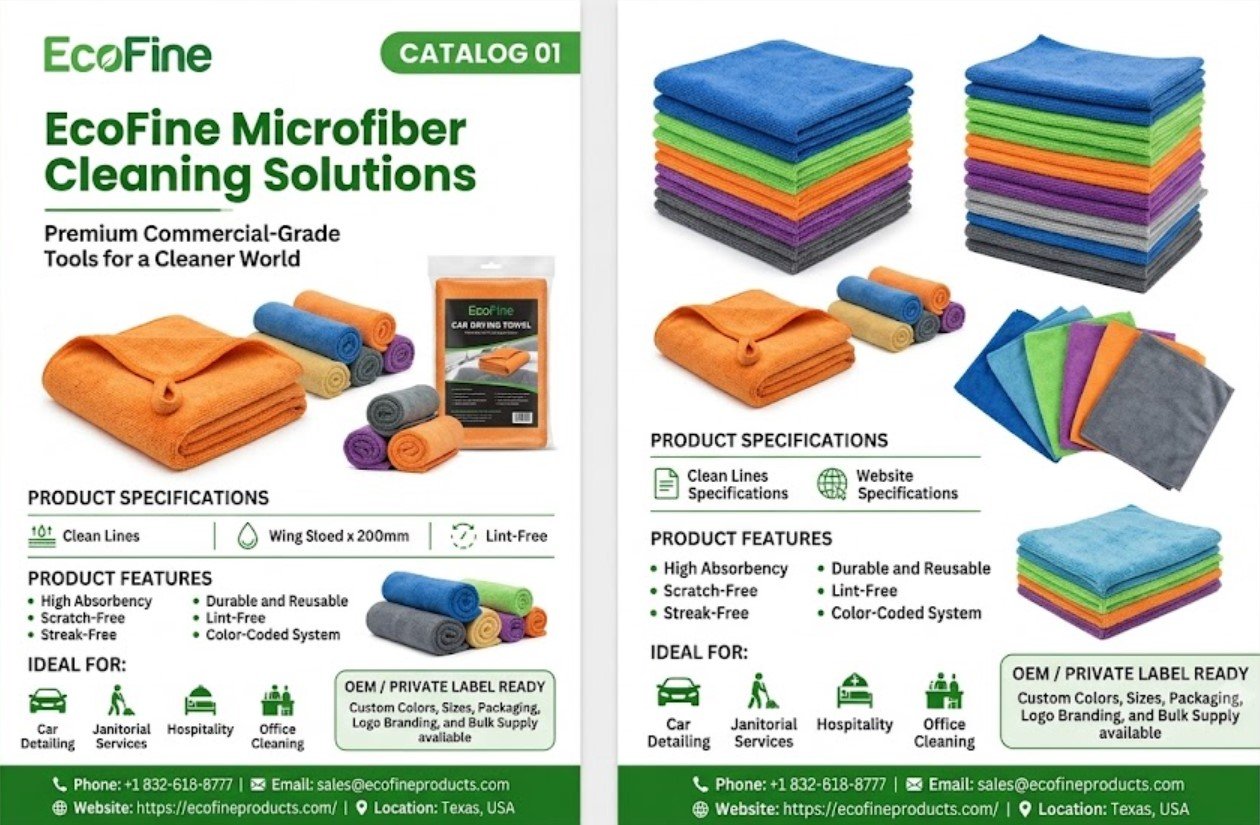
A car drying towel works within a complete wash process: preparation, exterior drying, inspection and return to suitable condition. Choosing a premium label is only the beginning of that routine. EcoFine’s 1200 GSM twisted-loop drying towel is one format a commercial detailing team can assess. This guide focuses on daily handling and consistent work at the drying station, rather than ranking a towel as the best choice for every Texas vehicle or business.
Define the Start of the Drying Assignment
Write down when a vehicle is ready to enter the approved drying stage and what the operator should check before beginning. Keep washing, specialist contamination work and drying distinguishable in the program. A towel should not be expected to correct every problem left by another stage. Explain who reviews an unexpected surface condition or persistent residue. A clear starting point gives staff covering another shift a practical instruction instead of leaving them to infer the entire process from the towel specification.
Prepare Suitable Stock Before the Vehicle Arrives
Keep exterior-drying towels separately assigned from cloths used on wheels, interiors or other cleaning work. Follow the detailing program’s existing handling and storage procedure. Inspect the selected towel’s fabric and edges before the task and confirm that its condition suits the approved method. Make clean replacements accessible. A large inventory is less useful if suitable items are unavailable at the drying station, so review preparation and return timing before interpreting shortages as a product-performance problem.
Teach Control With the Selected Size
Have regular operators demonstrate how they unfold, fold and reposition the towel around the vehicles normally serviced. Confirm the actual dimensions rather than relying on an XL description. A broad working surface may suit open panels while another folded arrangement is easier to control in tighter areas. Assess the towel during normal use, not only when dry beside a display. Record handling concerns and review the method or format before expecting employees to compensate indefinitely for an awkward configuration.
Make Change Conditions Clear
Identify which loading, damage or task condition calls for a fresh towel under the approved process. Do not assume that one item should complete every vehicle or that another fold makes any used towel suitable for finishing. Explain the return point and how staff obtain a replacement. Observe the routine during representative demand, including handovers between operators.
Inspect the Completed Result
Use the program’s normal viewing conditions to review remaining moisture, missed areas and repeated attention. Record the vehicle conditions, preparation and towel configuration when results vary. Assess operator technique, loading and the preceding process alongside fabric condition. A useful inspection explains what needs attention without treating a premium label or GSM value as a guarantee against every mark. Keep findings tied to the assignment tested so another supervisor can reproduce the relevant check.
Return Used Towels Through the Approved Process
Keep used stock separate from ready replacements during collection and transport. Obtain the care label for the selected item and confirm cleaning, drying and any treatment restrictions. Inspect maintained fabric and edges before returning towels to service. Do not invent a wash-cycle lifespan. Record items awaiting care separately from ready reserve and track losses independently from condition-based withdrawals.
Review a Working Shift Before Expanding the Routine
Assess the complete sequence with the employees who normally perform it, including preparation, drying, changes, inspection and return. Record interruptions and handling feedback as well as the finished result. Repeat checks after permitted care. Compare any alternative under similar conditions rather than judging a new towel against a loaded item or another method.
Keep the Operating Record Linked to the Item
Save the approved product reference, dimensions, GSM, blend, edge finish and care requirements with the task instructions. Confirm the exact configuration supplied instead of assuming every option in a product program is identical or ready to ship. For questions, send EcoFine the intended drying method and towel requirements. Tell staff when an accepted substitution changes handling or care, and update point-of-use reminders so the routine continues to match the item actually issued.
Use Feedback to Maintain the Station
Review shortages, recurring rework and operator concerns at handover. Check whether the vehicle mix, work schedule or care turnaround has changed since the routine was assessed. Resolve the cause before changing the towel specification across the program. Keep useful stock assigned to the work it supports and document any revised method. This gives the next shift a current instruction and a reason for the selection instead of an unsupported claim that one premium towel always produces the same result.
Planning and Approval Checklist
| Check | Requirement |
|---|---|
| Ready stock | Suitable items available for issue |
| Active use | Items assigned to the drying stage |
| Care | Keep unavailable items separately counted |
| Reserve | Review against actual demand and return timing |
Frequently Asked Questions
Where should the drying routine begin?
Define when the vehicle is ready for the approved exterior-drying stage and which conditions need review before work begins.
Does a premium label establish a guaranteed finish?
No. Preparation, handling, towel condition and the selected configuration affect the local result. Assess the complete method on representative work.
Why test handling during use?
Dry appearance alone does not establish control through the assignment. Assess unfolding, folding and repositioning with the normal operator.
Can one towel be assumed sufficient for every vehicle?
No. Set change conditions around the approved process and observed work, with suitable replacements available at the station.
What should the result check record?
Review remaining moisture, missed areas and repeated attention under normal inspection conditions, retaining relevant vehicle and preparation details.
How should used stock return?
Keep it separate from ready replacements and follow the selected product’s care label. Inspect maintained fabric and edges before reissue.
What should be saved with the task instructions?
Retain the approved item, dimensions, GSM, blend, edge and care requirements so the supplied configuration remains identifiable.
When should the station routine be reviewed?
Review shortages, recurring rework and changed vehicle or care conditions. Resolve the cause before changing the specification across the program.