
Private-Label Microfiber Towels: Packaging Approval Guide
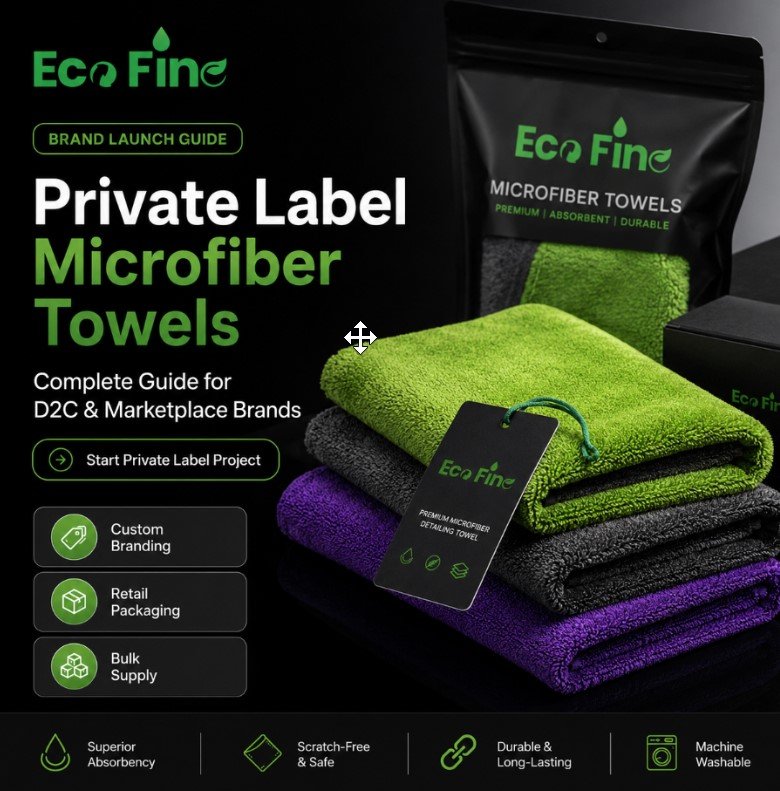
A private-label microfiber towel project needs agreement on the working textile and the branded presentation. Attractive packaging does not identify the actual fabric, size or care requirements inside the pack. Buyers can discuss configurations through EcoFine’s OEM and ODM inquiry page. This guide focuses on coordinating product approval, artwork and order information for commercial brands, with sales-channel requirements checked separately rather than assuming one packaging layout fits every marketplace or retail format.
Define the Customer and Intended Use
Describe the commercial task the towel will support and the users who will assess it. Identify the construction and format required before designing the presentation. A brand should not use packaging to resolve an undefined product requirement. Keep application limits and supporting information with the specification, so the eventual description reflects what was confirmed for the selected item.
Approve the Working Textile First
Record dimensions, construction, blend, GSM where required, edges, colors and care instructions for the actual proposed configuration. Assess an identified sample on representative work using the approved method. Review maintained samples as well as new stock. Keep the findings tied to the product tested, without turning a favorable local result into a universal performance guarantee. A textile change should receive its own review rather than entering the project unnoticed because the packaging or brand name remains the same.
Separate Product Facts From Marketing Language
Build the proposed description from confirmed characteristics and supported application findings. Do not invent material percentages, certifications, review counts or guaranteed results to strengthen a branded listing. Keep unanswered details visible until resolved. A product photograph can show the selected item but cannot establish an unavailable measurement or a performance value. Review the working description when the configuration changes, so the brand’s presentation stays connected to the towel supplied rather than an old sample or generic catalog wording.
Create a Packaging Information Record
Identify the selected product reference, pack quantity, dimensions of the required presentation and the information the brand intends to include. Confirm packaging availability and approval arrangements with the supplier. Keep textile requirements distinguishable from artwork and administrative details. A change to a label should not silently authorize a different cloth count, fabric or edge finish. Another reviewer should be able to understand what is included in the pack and which version of the working product the presentation describes.
Review Artwork Against the Product
Check the brand name, selected item description, quantity statement, care information and images against the current approved configuration. Keep draft and accepted artwork versions distinguishable and identify who confirms each part. Do not treat acceptance of visual appearance as approval of unresolved product facts. Where the sales channel has specific current requirements, verify them through that channel’s own guidance as part of the brand’s normal process. The packaging record should identify what was reviewed rather than imply approval for every platform.
Assess the Packed Sample
Ask what the proposed packed sample represents and which details remain provisional. Compare the item, count and presentation with the accepted specification and artwork reference. Keep the package assessment separate from the use trial, since a good-looking pack does not establish cleaning performance. Record changes before the next stage is approved. A clear sample identity helps the buyer and supplier discuss the same configuration instead of relying on photographs that may show an earlier version or another packing format.
Confirm Order Units and Destination Needs
State whether quantities count individual towels, retail packs, cases or cartons and confirm the contents of each relevant unit. Keep color and destination allocations explicit. Ask about the selected configuration and requested timing for the actual order rather than treating every catalog option as ready to ship. Separate custom branding requirements from the working towel specification.
Control Changes Before Reordering
Request review of alternatives affecting the textile, care, pack quantity, artwork or item reference. Connect each accepted change with the appropriate reviewer and update the current record. Tell operations when handling or maintenance changes and update the presentation where needed. For project questions, send EcoFine the approved product and packaging requirements. Keep superseded versions distinguishable so another buyer can repeat the accepted configuration without restoring an old label or an unreviewed fabric alternative.
Keep Receiving Connected to the Approved Pack
Provide the current product specification, sample references, artwork version, quantity units and allocation record before delivery. Check representative products according to the organization’s procedure and keep discrepancies identifiable until resolved. Receiving should confirm conformity with a reviewed configuration rather than invent a performance or platform-compliance judgment from the finished package. A maintained record connects what the brand presents with what the supplier actually delivers, giving future orders a consistent and reviewable starting point.
Planning and Approval Checklist
| Check | Requirement |
|---|---|
| Textile | Approve the working specification |
| Sample | Identify its reference, purpose and version |
| Presentation | Review packaging and artwork separately |
| Acceptance | Use the current approved records |
Frequently Asked Questions
What should be approved before packaging?
Define and assess the working textile, its intended application and care requirements before presentation is treated as evidence of product suitability.
Which facts should a branded description use?
Use confirmed characteristics and supported application findings. Do not invent composition, certifications, ratings or guaranteed results.
What belongs in a packaging record?
Identify the selected product, pack quantity, presentation requirements, artwork version and approval responsibilities, keeping textile details separately reviewable.
Does artwork approval settle product questions?
No. Review visual presentation against the current configuration and resolve working-product facts through the appropriate product review.
Can one layout be assumed suitable for every sales channel?
No. Check current requirements through the relevant channel’s own guidance within the brand’s normal review process.
What should the packed sample confirm?
Compare the identified item, count and presentation with accepted specification and artwork references, recording any provisional details.
Which quantity units should be explicit?
State individual towels, retail packs, cases or cartons and confirm their contents, including color and destination allocations.
How should changes and receiving be controlled?
Keep current product, sample, artwork and quantity records together. Review substitutions and resolve delivery discrepancies before distribution.