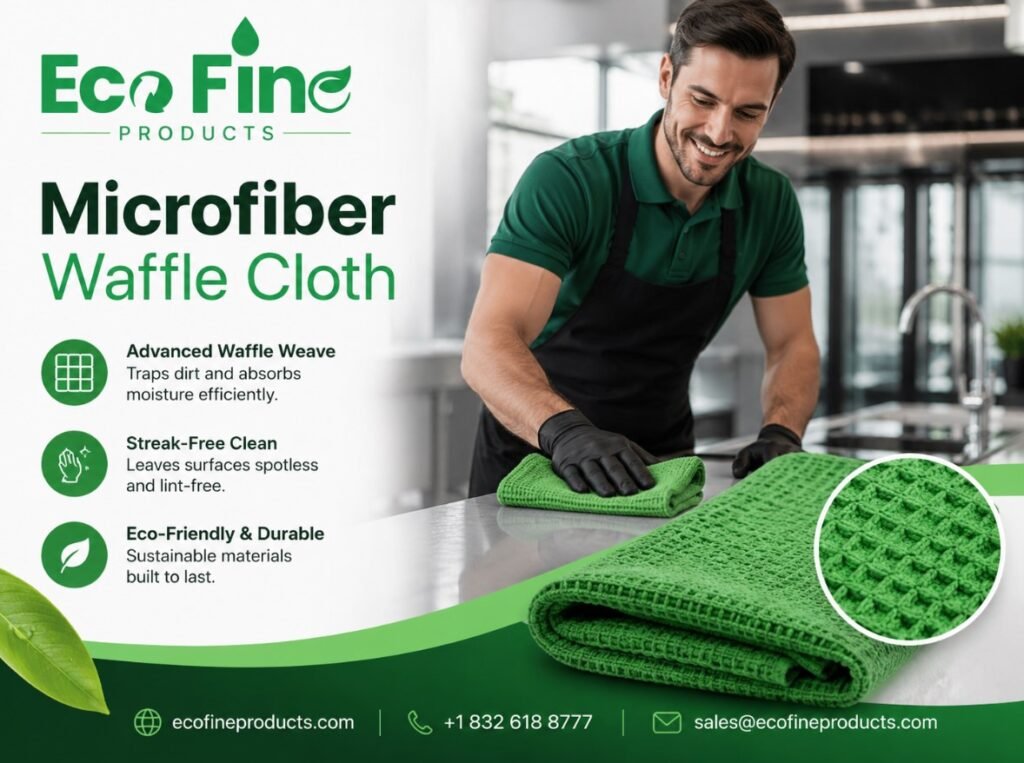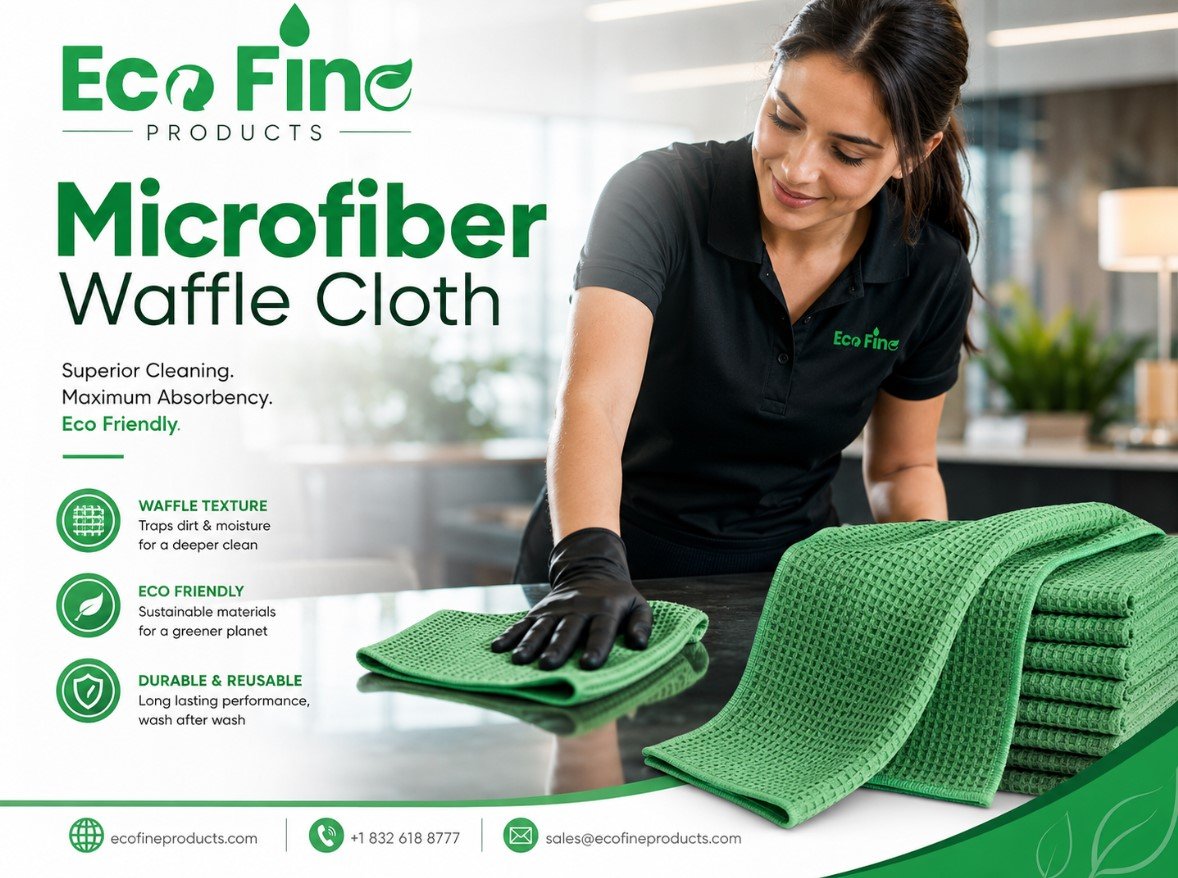
A microfiber waffle cloth routine in hospitality should identify the task, surface and handover process before staff begin using the cloth throughout a property. The weave description alone does not establish suitability for every finish or promise a streak-free result. Evaluate the microfiber waffle cloth on a defined assignment and follow its confirmed care instructions. This guide focuses on presentation checks, clean-stock control and a consistent routine across housekeeping shifts.
Choose a Specific Presentation Task
Ask the housekeeping supervisor to identify the surface and result the cloth will support. A guest-facing fixture, a counter and an equipment exterior may require different methods even within the same room. Confirm the surface instructions before assigning the cloth. Keep specialist work separate from routine wiping, including any task requiring a particular sanitation procedure.
Test the Finish Under Normal Conditions
Use a representative surface with the approved cleaning product and preparation method. Inspect visible residue, moisture pickup and the completed appearance under the lighting normally used to check the area. Compare alternatives under similar conditions and ask the regular employee to perform the task. If marks remain, review soil, solution, moisture and technique as well as cloth condition. Record the findings for that application rather than turning one successful demonstration into a universal polishing or scratch-resistance claim.
Teach Cloth Handling and Change Rules
Demonstrate how staff should prepare, hold and refold the cloth for the assigned task. Where the property uses folding to expose working faces, show the sequence and explain when the cloth must be replaced. A fresh-looking face does not establish that an item is suitable to move between hygiene zones. Follow the facility’s approved boundaries and handling policy. Observe the first working shifts so training covers the actual task rather than only a demonstration beside a storage shelf.
Make Cart Storage Easy to Follow
Designate separate places for clean cloths and used items. Label task assignments clearly and confirm any color choices against the product actually supplied. Do not rely on weave appearance alone when several cloth types are carried on a cart. Staff should be able to identify the intended cloth and return it without searching through used stock.
Plan Laundry With the Cleaning Team
Obtain written instructions for permitted detergent, temperature, drying and any restricted treatment. Confirm how used cloths are collected and how clean stock is returned to housekeeping. Count items awaiting care separately from those ready for use. Inspect edges, fabric condition and persistent residue after maintenance. Do not infer a wash-cycle guarantee from a reusable description. Match quantities to actual use and care turnaround so the routine remains workable during busy periods and at shift changes.
Use a Consistent Appearance Check
Define what supervisors will inspect after the assigned task, such as visible residue or missed areas under normal viewing conditions. Keep the check practical and connected to the property’s service standard. When rework occurs, record the surface, method and cloth condition rather than simply blaming the weave. Look for recurring patterns across shifts. Consistent observations help distinguish a preparation problem from a cloth that no longer supports the intended result after its approved care process.
Keep the Approved Cloth Identifiable
Record the exact item, confirmed dimensions, construction, color and pack quantity. Ask the supplier to confirm any missing specification rather than borrowing a detail from another waffle product. Compare incoming deliveries with that record before distributing replacements. Review substitutions affecting the working fabric or care requirements. Keep the purchase description available to relief supervisors and new purchasing staff so a familiar word such as waffle does not conceal a different cloth or packaging format.
Review Handover and Seasonal Demand
Occupancy, events and changes in service routes can affect cloth demand and return timing. Ask each shift to report shortages and repeated rework using the approved item reference. Review cart allocations, collection arrangements and laundry turnaround together before changing the specification. Update the routine when the task or surface changes. For further product confirmation, send EcoFine the intended hospitality application and required quantities, and retain the agreed details with the training record.
Inspect the Cloth Before a Guest-Facing Task
Include a brief condition check when the cloth is prepared for its assigned work. Review the fabric, edges and any material remaining after approved care. Use the property’s handling procedure when an item is unsuitable or its readiness is uncertain. Do not assume that the same weave appearance means every cloth has the same condition. Keep replacement stock accessible so employees can follow the change rule without interrupting the route unnecessarily.
Specification and Use Checklist
| Check | Requirement |
|---|---|
| Construction | Confirm the exact fabric and edges |
| Size | Use confirmed finished dimensions |
| Care | Follow product-specific instructions |
| Stock | Separate clean and used items |
Frequently Asked Questions
Does waffle weave prove a streak-free result?
No. Evaluate the cloth on the intended surface with the approved product and method. Review moisture, soil and technique alongside fabric condition.
Which hospitality task should be chosen for a trial?
Select a defined representative assignment with clear surface requirements and an observable result. Keep specialist procedures under their own approved instructions.
What should staff learn about folding?
Show the approved working-face sequence and change conditions. Refolding does not authorize movement between hygiene zones or replace required handling rules.
How should carts identify the intended cloth?
Use consistent task labels and confirmed product details. Keep clean replacements separate from used items instead of relying on weave or color alone.
How should laundry stock be counted?
Separate cloths in use, awaiting care, drying and ready reserve. Base quantities on actual demand and confirmed care turnaround.
What should an appearance check record?
Record residue, missed areas, repeated work and the method used under normal inspection conditions. Review recurring patterns across shifts.
What should a repeat-order record include?
Record the exact item, confirmed dimensions, construction, color, pack quantity and care instructions. Review alternatives before distributing them.
When should the routine be reviewed?
Review demand and handover arrangements after occupancy, event or route changes. Check cart allocation, collection and laundry turnaround together.