
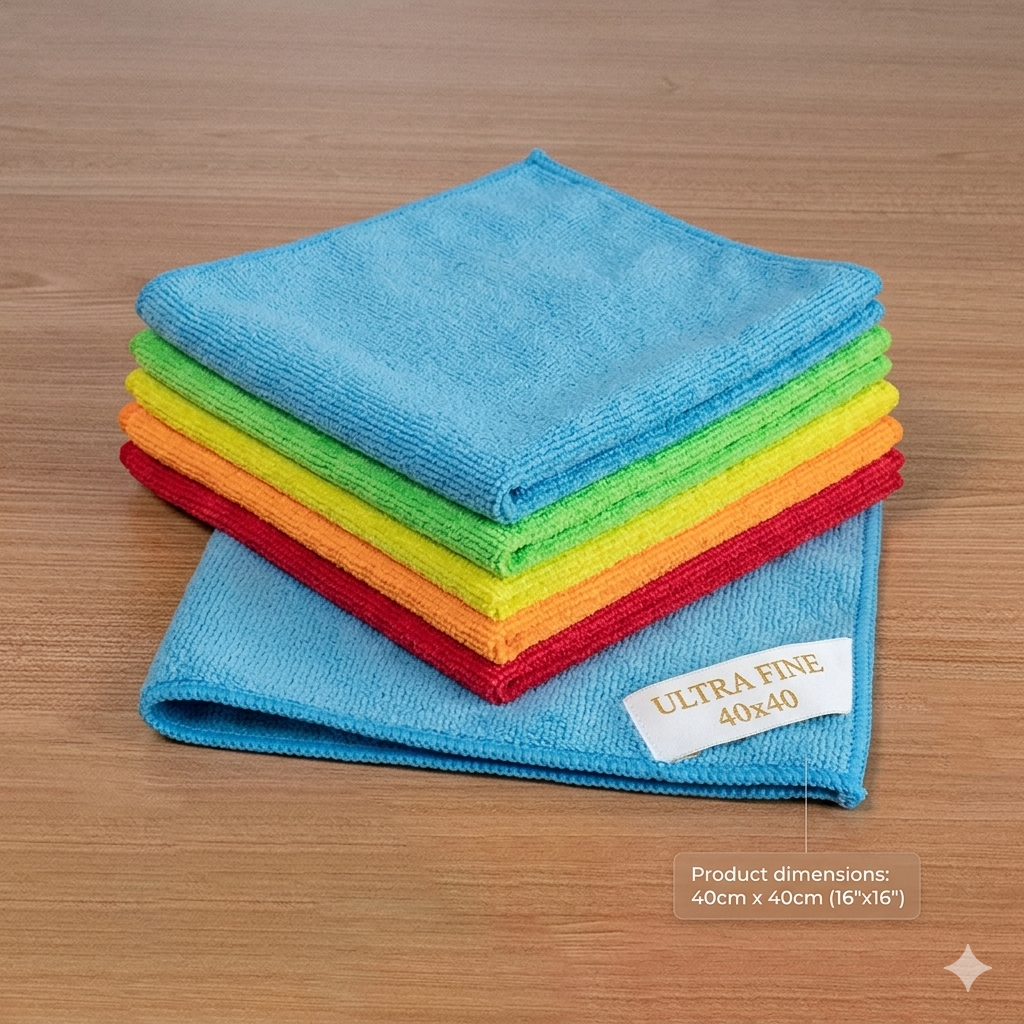
Premium Microfiber Terry Cloth 16″×16″ – Ultra Soft Multipurpose Cleaning Towel
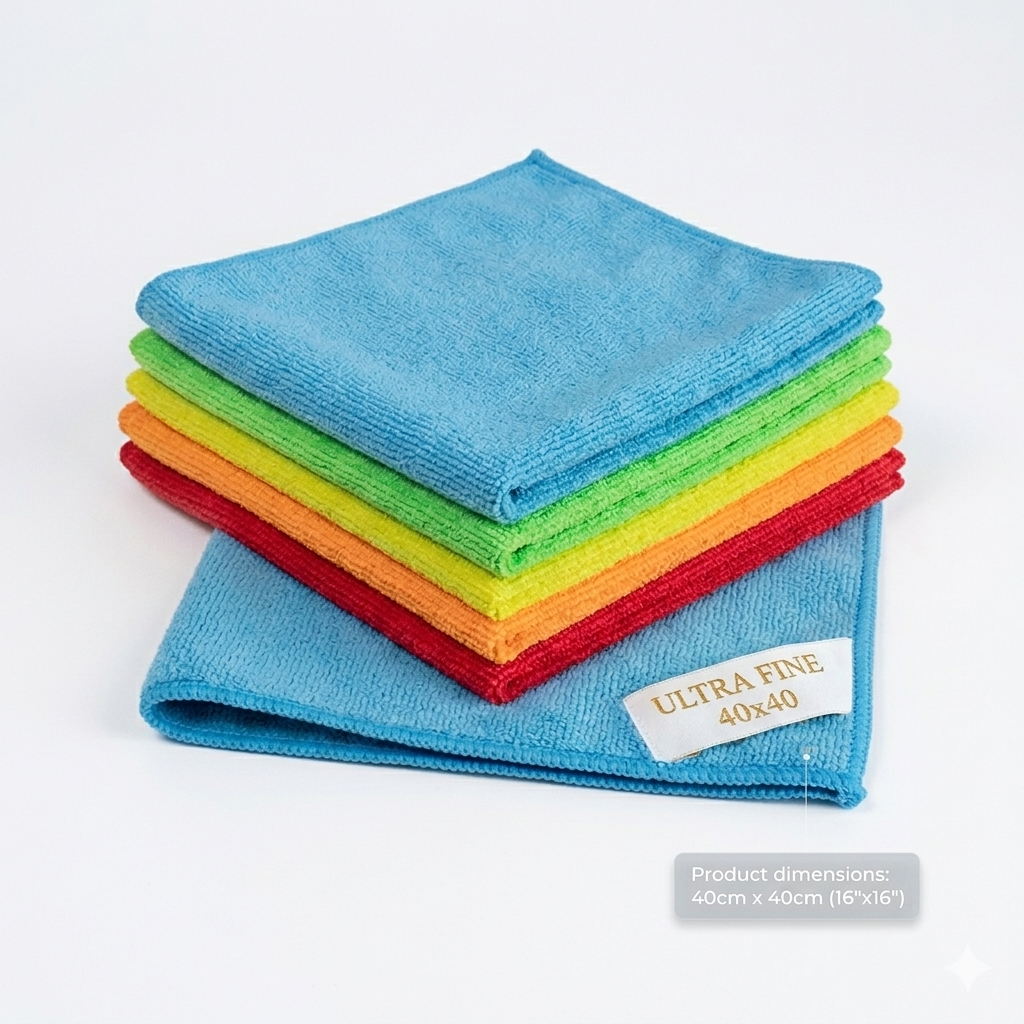
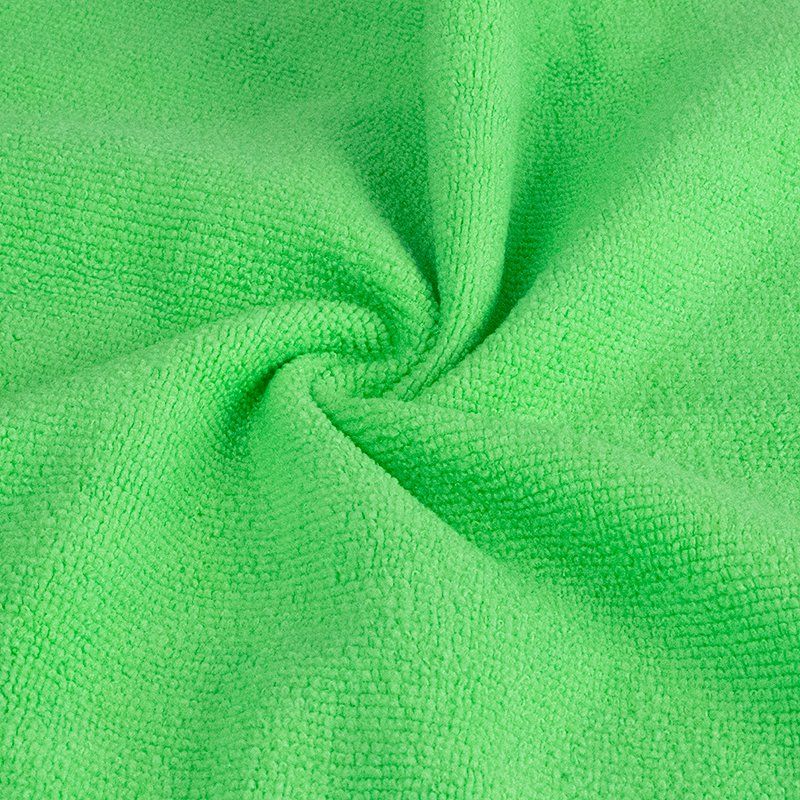
EcoFine’s Premium Microfiber Terry Cloth 16″×16″ combines a generous square format with an ultra-soft terry-style microfiber surface for cleaning, drying, dusting, and detailing. It collects dust, moisture, fingerprints, light grease, and everyday residue.
Absorbent, reusable, machine washable, lint-free, and quick-drying, this towel is available with multiple GSM, color, edge, packaging, OEM, and private-label options. Confirm the selected pack or variation before ordering.
16×16 Microfiber Terry Cloth for Larger Wiping Areas
EcoFine’s Premium Microfiber Terry Cloth 16″×16″ gives cleaning teams a larger hand-towel format for counters, furniture, appliance exteriors, and general detailing. Its ultra-soft terry-style microfiber surface supports dust pickup, damp wiping, small-spill collection, drying, and light polishing on compatible surfaces.
Choose the 16-inch square when more fabric is useful between towel changes or when a smaller cloth feels awkward across a broad surface. It folds into quarters for controlled handling, with clean working faces available as each section becomes soiled.
16×16 or 12×12: Which Size Fits the Task?
A 16×16-inch cloth has 256 square inches of fabric, compared with 144 square inches for a 12×12-inch cloth. That is about 78% more fabric area. This is a size comparison, not a measured claim about absorbency or cleaning speed.
The larger cloth suits broader hand-wiping tasks, while the 12×12 terry cloth is a compact alternative for fittings, handles, and small surfaces. Compare both using your team’s preferred fold and normal cleaning process before choosing stock for an entire facility.
Product Features and Specifications
| Detail | Product information |
|---|---|
| Product | Premium Microfiber Terry Cloth 16″×16″ |
| Nominal size | 16 inches × 16 inches, approximately 40.6 × 40.6 cm |
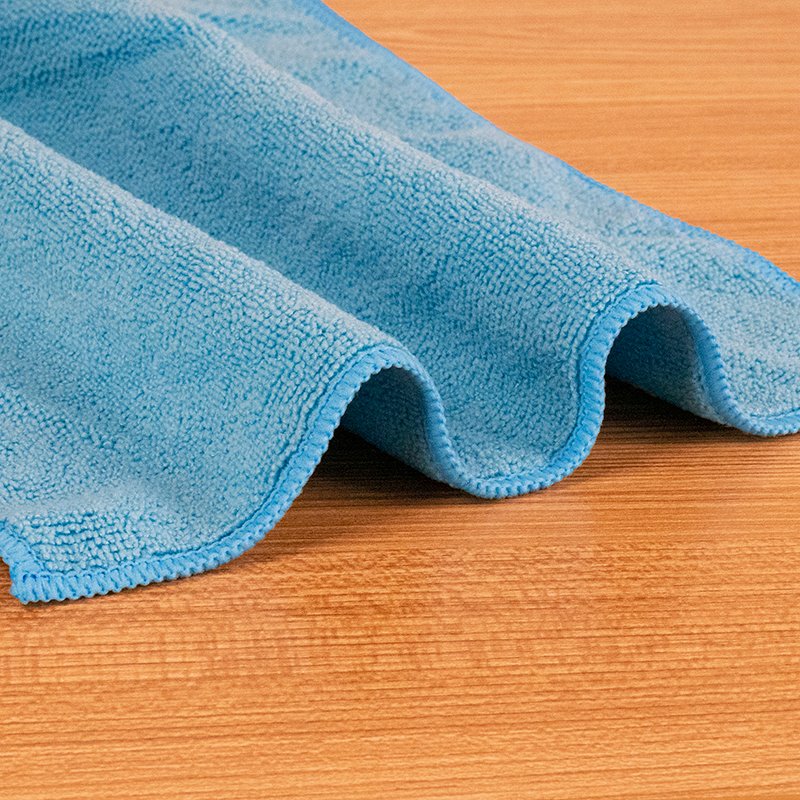
| Construction | Ultra-soft terry-style microfiber |
| Main tasks | Cleaning, drying, dusting, polishing, and detailing |
| Listed performance | Absorbent, quick drying, lint-free, streak-free, and reusable |
| Care | Machine washable; follow the supplied care label |
| Applications | Commercial cleaning, hospitality, healthcare facilities, offices, kitchens, automotive care, and homes |
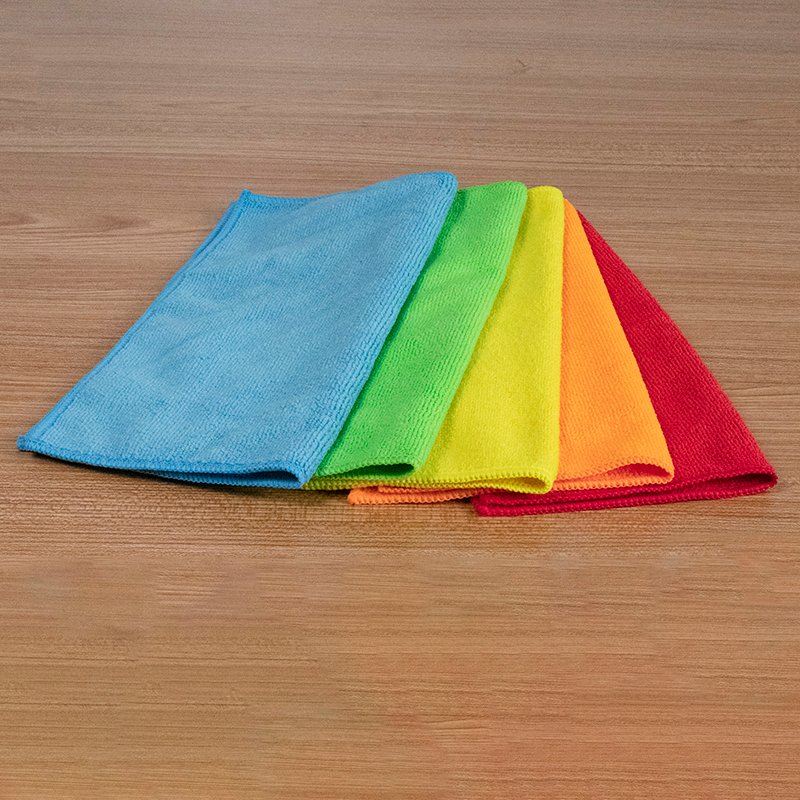
| Custom options | Multiple GSM choices, colors, edgeless options, packaging, OEM, and private label |
| Details to confirm | Selected GSM, fiber blend, edge finish, available colors, and pack quantity |
Listed finishing characteristics depend on correct use, a clean towel, surface residue, and laundering. Confirm the exact selected specification rather than assuming that every color, GSM, or packaging option is standard stock.
Where the Larger Format Is Useful
- Hospitality: wipe compatible guest-room furniture, reception counters, fixtures, and public-area surfaces with separately assigned towels.
- Offices and facilities: clean desks, conference tables, shelving, cabinet fronts, and break-room surfaces.
- Restaurant work: reserve designated cloths for dining tables, sealed counters, and appliance exteriors according to the workplace cleaning procedure.
- Automotive work: use clean towels on compatible dashboards, consoles, door panels, and other detailing surfaces after checking the finish and removing loose grit.
Keep cloths used around wheels, oily equipment, and heavy grease separate from interior and finishing towels. For a dedicated window or mirror towel, compare the Microfiber Shiny Glass Cloth.
Using a Folded 16-Inch Cloth
- Prepare: remove crumbs and loose particles, inspect the towel, and test delicate finishes in an inconspicuous area.
- Fold: bring the towel into quarters to create a manageable working face. Refold as needed to keep the used section away from the surface.
- Clean: use it dry for loose dust or lightly damp with a surface-approved cleaner for routine fingerprints and residue.
- Rotate: switch faces as soil builds up. Change towels when clean faces are exhausted or the cloth becomes saturated.
- Finish: use a fresh, dry face for remaining moisture or light polishing, following the surface manufacturer’s instructions.
Laundering and Stock Rotation
Follow the supplied label for wash temperature, detergent, and drying settings. Separate microfiber from lint-producing cotton where practical, and keep heavily greasy loads away from cloths reserved for glass or finishing.
Avoid fabric softener and dryer sheets unless the product care instructions permit them. Store only fully dry towels and inspect them before reuse. Remove towels with damaged edges, embedded particles, or persistent contamination from delicate-surface service.
Plan stock around shifts, cleaning zones, and laundering time.
Buying for a Commercial Cleaning Program
Compare a confirmed sample using the actual surfaces, cleaners, and wash process your team uses. Assess how the folded size feels, whether the edge finish suits the task, and how the towel performs after laundering.
For a different terry texture, review the Terry Stripe Cloth. If organized dispensing at a shared station matters more than a larger sheet, consider the 12×12 microfiber cloth roll and confirm its cloth count.
For wholesale or private-label supply, provide the required quantity, GSM, fiber blend, colors, edge construction, pack count, branding, packaging, delivery destination, and required date. Confirm whether the quotation covers individual cloths, packs, or cartons before comparing unit costs.
Frequently Asked Questions
Is the size 16 inches or 16 centimeters?
The nominal size of this product is 16 inches × 16 inches, approximately 40.6 × 40.6 cm.
Does the larger size mean greater absorbency?
It provides more fabric area than a 12×12 cloth, but absorbency also depends on GSM, fiber blend, construction, and care. Compare confirmed specifications or samples rather than size alone.
Can I use it for both dusting and damp cleaning?
Yes. Use a clean, dry towel for loose dust or lightly dampen it for compatible surfaces. Change working faces and towels as they become soiled.
Are edgeless versions and custom colors available?
These are listed among the custom options. Confirm availability, specifications, and order requirements with EcoFine.
How many towels are included?
Confirm the selected pack quantity before ordering. The 16×16 measurement describes each towel rather than the number supplied.
Does folding create permanently separate cleaning zones?
Folding exposes additional working faces, but those faces are not sealed compartments. Replace the towel when contamination or moisture transfers through the fabric. Follow the assigned collection and care procedure rather than treating each fold as permission to move between different hygiene areas.
What should be checked before using a large cloth on trim?
Inspect the complete working face and edges, and follow the surface manufacturer’s instructions. Control the fold so that the fabric remains manageable around fittings and corners. Do not assume that softness or extra fabric area makes an unsuitable cleaner or contaminated towel appropriate.
How should clean stock be selected for a shift?
Choose processed towels assigned to the intended tasks and keep used material in its designated collection stream. Check condition before use and retain the approved care instructions with the supply plan. A nominal size does not determine how many clean replacements a route requires.
Get a Customized Quote
Request a wholesale quote for microfiber cleaning products, commercial mops and janitorial supplies.
Share the products, quantities, delivery location and any branding requirements below so our team can review your enquiry.
Reviews
There are no reviews yet.