
Premium Microfiber Terry Stripe Cloth for Commercial Cleaning
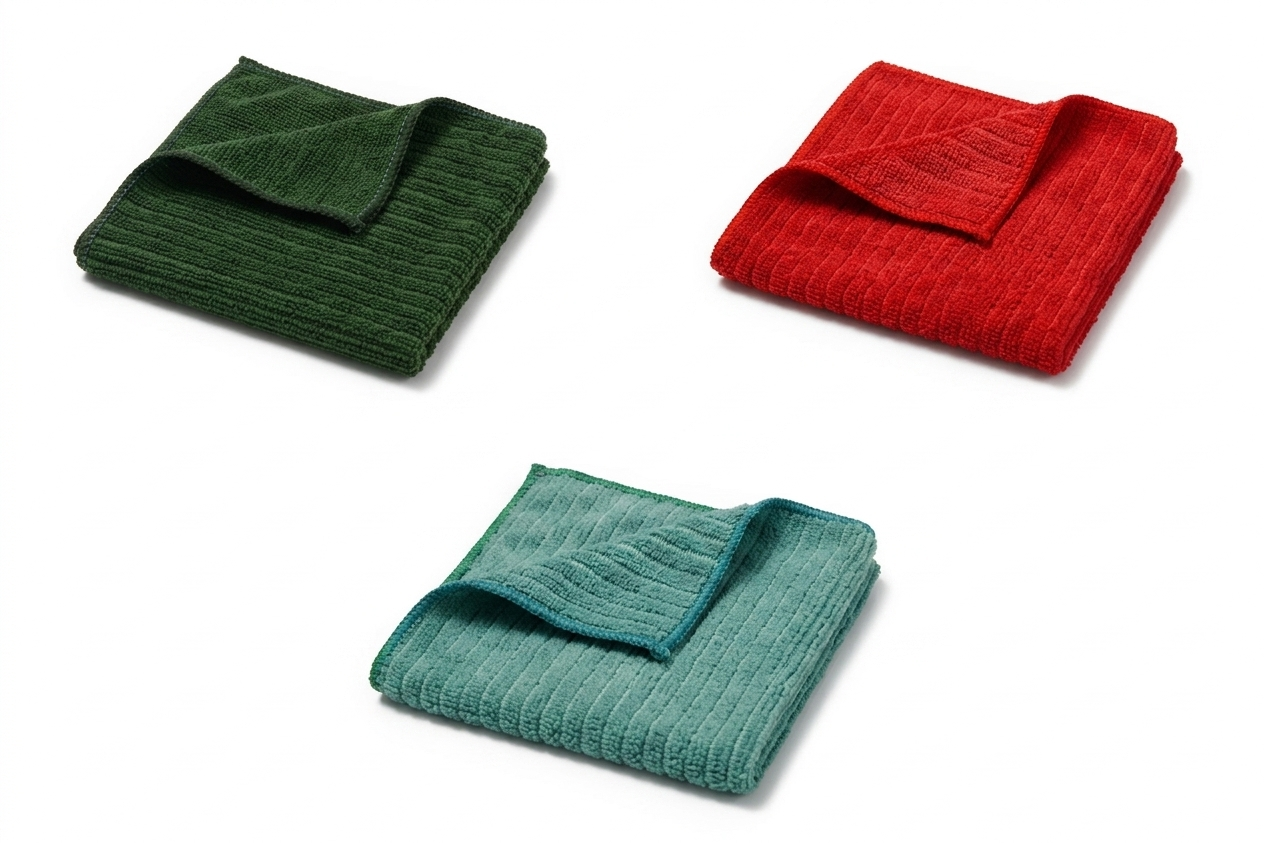
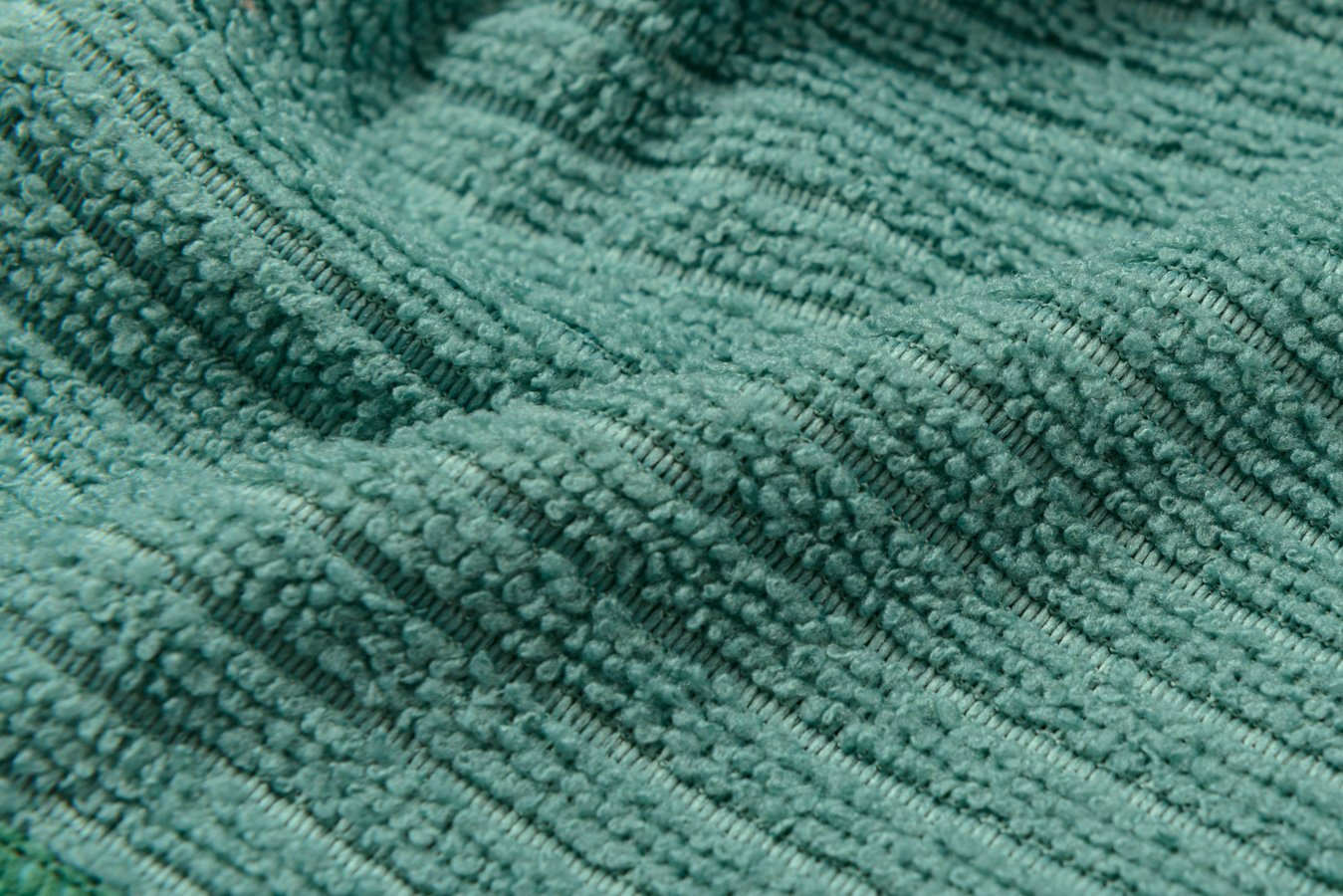
EcoFine’s Microfiber Terry Stripe Cloth combines a soft, absorbent terry-style surface with a stripe texture for collecting dust, moisture, fingerprints, light grease, and everyday residue.
Washable and reusable, it supports controlled wiping and polishing on compatible counters, desks, appliances, mirrors, stainless steel, and vehicle interiors. Suitable for janitorial teams, hotels, restaurants, offices, schools, and automotive professionals.
Microfiber Terry Stripe Cloth for Routine Surface Care
EcoFine’s Microfiber Terry Stripe Cloth combines a soft terry-style microfiber surface with a stripe texture for everyday wiping. It suits commercial teams that need a washable cloth for collecting dust, moisture, fingerprints, and light residue across compatible surfaces.
The stripe construction is this product’s distinguishing feature. When choosing it for a cleaning program, assess the texture and handling alongside the confirmed size, GSM, fiber blend, and edge finish. The pattern alone does not establish a particular wash life or guarantee better performance than another weave.
Product Information and Order Options
| Detail | Product information |
|---|---|
| Fabric format | Soft microfiber with a terry stripe texture |
| Main tasks | Dusting, damp wiping, spill pickup, drying, light polishing, and fingerprint removal |
| Reuse | Washable and reusable |
| Applications | Hospitality, restaurants, offices, janitorial work, schools, and vehicle interiors |
| Size, GSM, fiber blend, and edge finish | Confirm the selected specification before ordering |
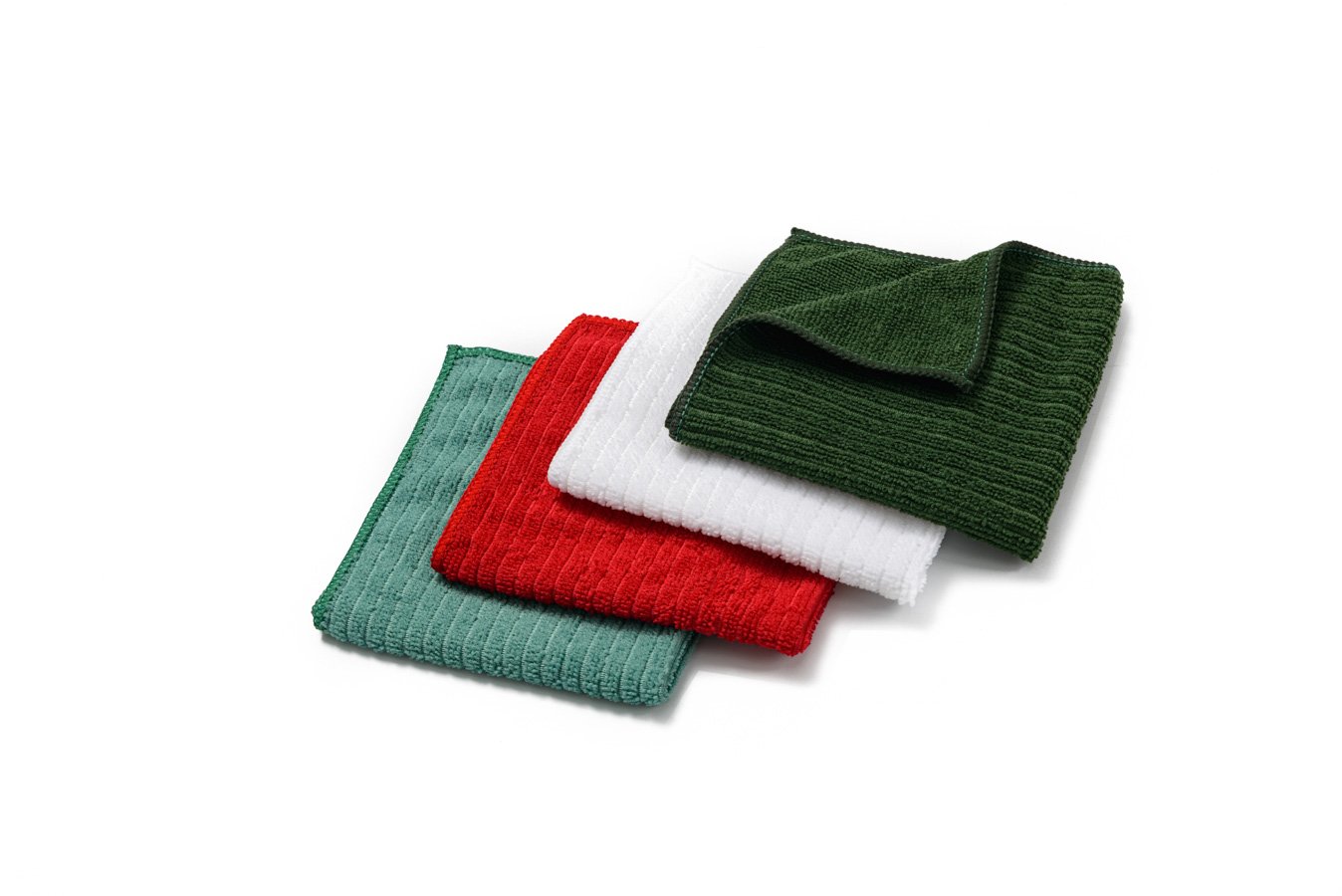
| Color options | Blue, green, yellow, red, gray, white, and black may be available by request; confirm availability |
| Pack quantity | Confirm the cloth count and carton quantity |
| Commercial supply | Wholesale, distributor, OEM, and private-label options |
Choosing Tasks for the Stripe Texture
Use the cloth dry for light dust or lightly damp for routine fingerprints and soil. Suitable applications include compatible sealed countertops, tables, desks, cabinet fronts, appliance exteriors, stainless steel, and general washable surfaces. On glass and mirrors, use a clean cloth and finish with a fresh, dry section.
- Housekeeping: assign clean cloths to guest-room furniture, fixtures, and public-area surfaces.
- Restaurant cleaning: separate towels for dining tables, counters, and appliance exteriors according to your cleaning procedures.
- Office and school maintenance: use designated cloths for reception desks, meeting tables, shelving, and compatible equipment exteriors.
- Vehicle interiors: reserve towels for dashboards, consoles, door panels, and compatible trim, away from those used around wheels and grease.
For a dedicated reflective-surface towel, compare the Microfiber Shiny Glass Cloth. This terry stripe product is a general wiping option rather than a substitute for every specialist detailing or scrubbing tool.
How to Wipe Without Spreading Residue
- Remove loose grit and inspect the towel before use. Test sensitive finishes in a discreet area.
- Fold the cloth into manageable sections. Choose dry dusting or damp wiping according to the soil and surface.
- Use a compatible cleaner when needed, following its instructions. Avoid excess liquid near switches, screens, seams, and exposed edges.
- Rotate to a clean working face as residue builds up. Replace a saturated or heavily soiled cloth.
- Follow the surface manufacturer’s guidance for finishing; on stainless steel, wipe in the direction of the grain.
A soft surface does not prevent scratching when grit is embedded in the towel. Do not transfer a cloth from oily equipment or vehicle wheels directly to polished surfaces. General wiping also does not replace a required sanitizing or disinfection procedure.
Planning a Color-Coded Cleaning Program
If your team identifies cleaning zones by color, confirm color availability before ordering. Assign each color consistently and provide separate storage for unused and used cloths. Keep restroom, floor-care, kitchen, and maintenance towels distinct according to workplace procedures.
Calculate stock around the number of tasks, the frequency of towel changes, and the time needed for laundering and drying. For teams that prefer a tear-away supply at a shared station, review the 12×12 cleaning cloth roll and confirm its sheet count.
Care Between Cleaning Shifts
Follow the supplied care label for wash temperature, detergent, and drying settings. Separate microfiber from lint-producing cotton where practical. Keep towels used for heavy grease apart from cloths reserved for glass or light finishing.
Avoid fabric softener and dryer sheets unless permitted by the care instructions, and store only fully dry cloths. Inspect towels before returning them to service.
Comparing Samples and Requesting a Quote
Compare the stripe cloth with the terry check cloth or plain 12×12 terry cloth when texture and handling are important. Evaluate a confirmed sample using your actual cleaner, surfaces, and laundering process.
For a product-specific quote, provide the required size, GSM, fiber blend, colors, edge finish, cloth count, packaging, delivery destination, and required date. For private-label orders, include logo, label, and carton requirements. Confirm the quantity represented by the quotation before calculating a per-cloth cost; estimated pack prices are not a substitute for a confirmed offer.
Frequently Asked Questions
What makes this different from a plain terry cloth?
It has a terry stripe texture. Compare confirmed specifications and samples to decide which weave your team prefers for its tasks.
What size is supplied?
Confirm the selected dimensions with EcoFine before ordering. This page does not assign an unconfirmed size or GSM to the product.
Can it be used on vehicle interiors?
Yes, on compatible surfaces with a clean towel and an appropriate cleaner. Test delicate trim and keep interior towels separate from those used on wheels or oily parts.
Are the listed colors always in stock?
No availability guarantee is implied. Ask EcoFine to confirm the requested colors, specifications, and quantity for your order.
Is custom branding available?
OEM and private-label options are offered. Share your label, packaging, and quantity requirements so EcoFine can confirm the available arrangement.
Does the stripe texture measure actual cleaning performance?
The stripe description identifies the fabric format, not a measured pickup rate or guaranteed result. Evaluate the confirmed construction with the intended surface and method. Keep sample observations with purchasing records instead of assuming a performance advantage from appearance alone.
How should commercial mixed-texture cloth stock be managed?
Identify the accepted towel and its assigned task when several weaves are stored together. Keep processed stock separate from used fabric awaiting care. A familiar stripe pattern should not replace checking condition, material requirements and the correct cleaning-zone assignment before a shift begins.
When is a separate dry finishing cloth useful?
Use fresh dry material when the wiping towel carries moisture or residue into the next pass. Keep final polishing separate from greasy cleanup and change working faces as required. The decision depends on the surface and soil, rather than the presence of stripes alone.
Get a Customized Quote
Request a wholesale quote for microfiber cleaning products, commercial mops and janitorial supplies.
Share the products, quantities, delivery location and any branding requirements below so our team can review your enquiry.
Reviews
There are no reviews yet.