
Premium Microfiber Terry Check Cloth 12×12 Inches – Ultra Soft Multipurpose Cleaning Towel
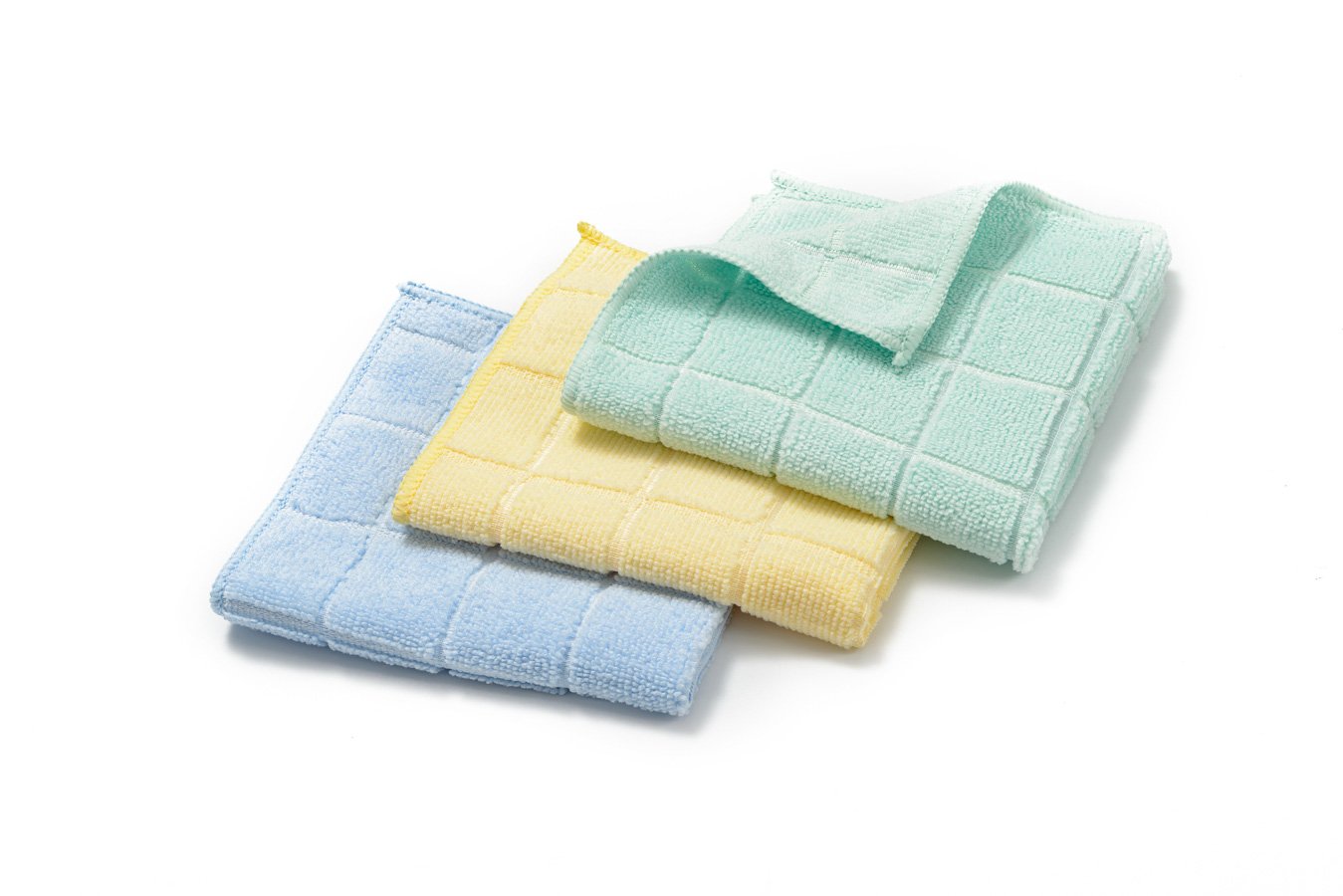
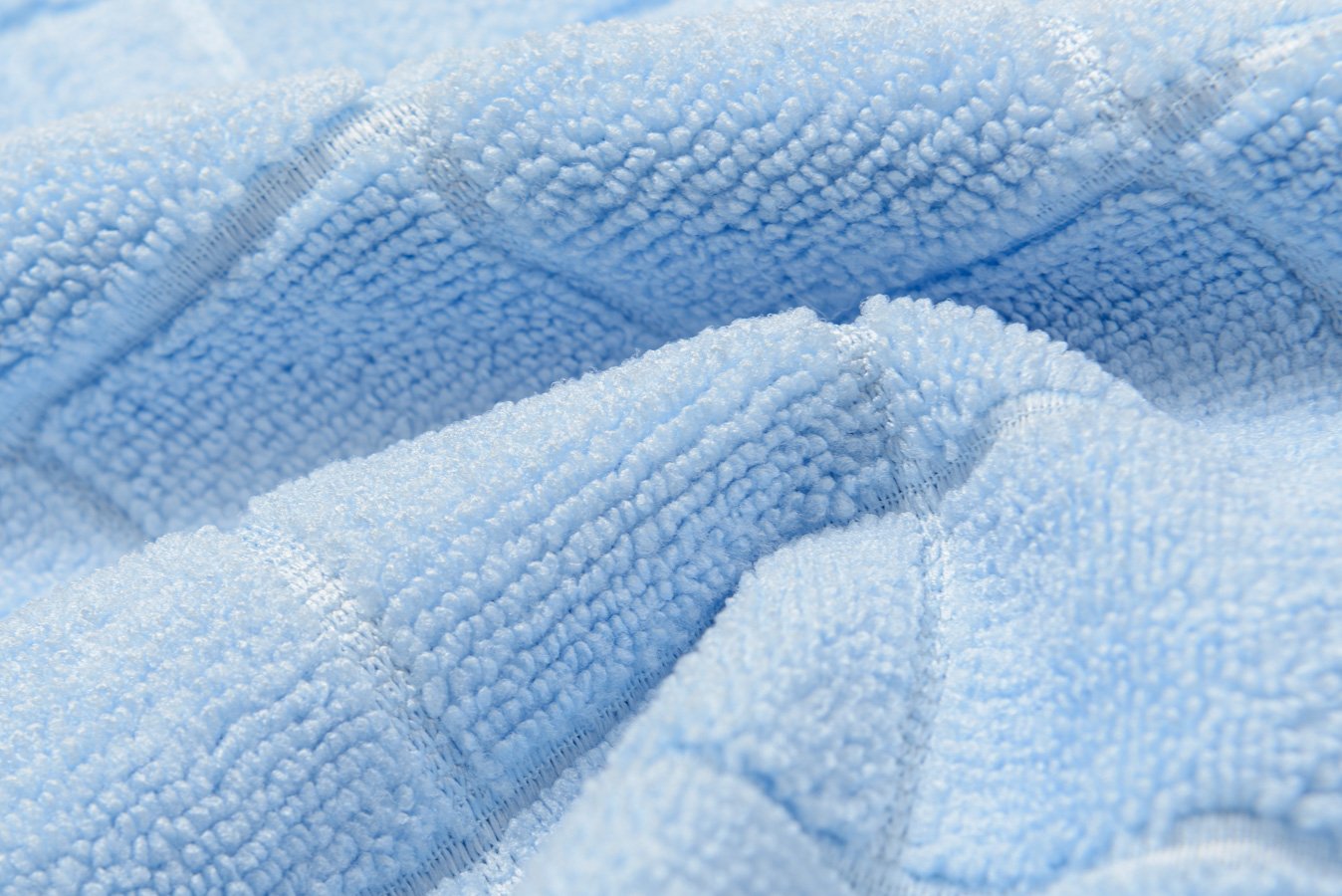
EcoFine’s Premium Microfiber Terry Check Cloth 12×12 Inches combines a soft terry-style microfiber surface with a durable check weave for daily wiping, dusting, drying, and polishing.
Compact and easy to fold, this 12×12-inch (30×30 cm) cloth suits automotive detailing, restaurants, hotels, offices, commercial cleaning, and household use. It is reusable, machine washable, lightweight, absorbent, quick drying, and lint-free.
12×12 Terry Check Cloth for Repeat Cleaning Tasks
EcoFine’s Premium Microfiber Terry Check Cloth pairs a soft terry microfiber surface with a check weave in a compact 12×12-inch format. It is designed for wiping, dusting, drying, and light polishing where a small, foldable towel is convenient to keep close at hand.
The check weave distinguishes this option from a plain terry cloth. Choose it for your preferred fabric texture and handling, and confirm GSM and material blend when comparing samples. A pattern alone does not establish absorbency, wash life, or performance against another cloth.
Product Details at a Glance
| Detail | Product information |
|---|---|
| Dimensions | 12×12 inches, approximately 30×30 cm |
| Fabric | Terry-style microfiber with a check weave |
| Listed features | Ultra-soft, lightweight, absorbent, quick drying, lint-free, and reusable |
| Care format | Machine washable; follow the supplied care label |
| Cleaning tasks | Dry dusting, damp wiping, spill pickup, drying, and light polishing |
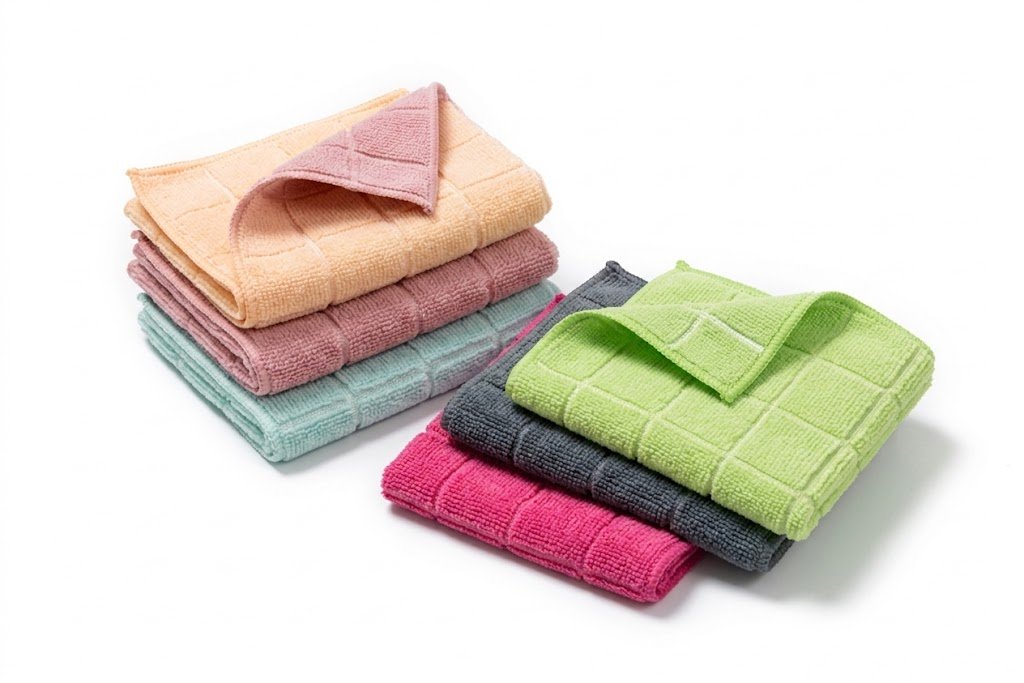
| Commercial options | GSM selections, multiple colors, custom sizes, logo printing, bulk packaging, OEM, and private-label supply |
| Order details to confirm | Exact GSM, fiber blend, available colors, edge finish, and pack quantity |
Matching the Cloth to the Workstation
The square shape folds into quarters for controlled wiping around edges, handles, corners, and small fittings. Use separate clean faces as soil builds up rather than continuing with a saturated section.
- Food-service stations: assign cloths to tables, sealed counters, sink surrounds, and compatible appliance exteriors according to your cleaning procedures.
- Housekeeping carts: keep a supply for furniture, sealed fixtures, and detailed guest-room cleaning, with used towels collected separately.
- Office maintenance: use on compatible reception desks, meeting tables, cabinet fronts, and break-room surfaces.
- Detailing stations: reserve clean cloths for dashboards, consoles, door panels, and compatible interior trim.
For a plain terry alternative in the same size, compare the 12×12 microfiber terry cloth. If the task involves a larger uninterrupted surface, the 16×16 terry cloth provides a larger working format.
A Practical Wiping and Finishing Method
- Remove loose grit and inspect the towel before bringing it into contact with the surface.
- Use it dry for loose dust or lightly damp for routine fingerprints and residue. Select a cleaner compatible with the finish.
- Fold into quarters, wipe with a clean face, and rotate to an unused section as needed.
- On stainless steel, follow the direction of the grain and the surface manufacturer’s instructions. For glass, use minimal liquid and finish with a clean, dry face.
- Replace soiled cloths promptly and collect them for laundering away from clean stock.
Test painted, coated, or delicate surfaces in a discreet spot. Softness does not prevent scratches when grit is trapped in the fabric. Avoid excess moisture around electrical equipment, screens, unsealed wood, and exposed edges.
Keeping Cloths Separate by Task
Label or color-code cloths according to the workplace’s cleaning zones. Do not move towels used on restroom surfaces, floors, wheels, or oily equipment directly into kitchen or general polishing work. Confirm available colors before specifying a color-coded order.
This towel removes physical soil during wiping; it does not replace required sanitizing or disinfection. Follow the facility’s procedures and the instructions for any cleaning chemicals used.
Laundering and Reuse
Use the product’s care label for wash temperature and drying settings. Keep microfiber separate from lint-producing laundry when practical. Avoid fabric softener and dryer sheets unless expressly permitted by the care instructions, and separate heavily greasy loads from finishing towels.
Store only fully dry cloths. Inspect them before reuse and remove towels with embedded particles, persistent contamination, or damaged edges from delicate-surface work. For busy teams, plan enough clean stock to allow collection, laundering, and drying between shifts.
Bulk Orders and Sample Evaluation
Before ordering in volume, confirm the cloth count per pack, GSM, fiber blend, color, edge construction, and packaging. Compare the selected sample on your actual surfaces using your normal cleaner and laundering process. Assess handling, moisture pickup, residue after finishing, and condition after washing.
For OEM or private-label supply, provide the quantity, dimensions, target GSM, colors, logo requirements, packaging format, delivery destination, and required date. Ask EcoFine to confirm availability and the quantity represented by the quotation before calculating a per-cloth cost.
Frequently Asked Questions
Does the check pattern make this a scrubbing pad?
No. This is a soft microfiber cleaning cloth with a check weave. Use it for wiping and light polishing rather than assuming it is suitable for abrasive scrubbing or hardened deposits.
Is it made from cotton?
This product is described as terry-style microfiber. The word terry identifies the fabric construction, not a cotton composition. Confirm exact fiber percentages when ordering.
Can it clean mirrors and glass?
It is listed for routine glass wiping and polishing. Use a clean towel, avoid excessive cleaner, and consider a dedicated glass cloth when the final reflective finish is the priority.
What quantity is included?
Confirm the selected pack quantity with EcoFine before ordering. The 12×12 measurement describes each cloth, not the number of cloths supplied.
Are branding and custom sizes available?
OEM and private-label options include custom sizes, GSM selections, colors, logo printing, and packaging. Confirm the options that apply to your order.
Does the check weave define the exact fiber percentages?
No. The check pattern describes construction, while microfiber identifies the listed material category. Confirm the supplied composition separately if procurement requires exact percentages. Keep the accepted material and care details with the ordering specification rather than inferring them from the visible pattern.
When should a compact cloth be changed during use?
Change faces or towels as moisture and soil build up, following the facility’s cleaning procedure. A compact folded cloth is not a set of sealed clean compartments. Replace it when residue transfers between faces or the next task requires fresh, separately assigned material.
How should cleaning cloths be stored between shifts?
Process and dry them according to the supplied care label, then protect ready stock from grit and other contamination. Keep used material in a separate collection stream. Identify the accepted cloth and cleaning assignment so staff do not choose a towel solely from its size or check pattern.
Get a Customized Quote
Request a wholesale quote for microfiber cleaning products, commercial mops and janitorial supplies.
Share the products, quantities, delivery location and any branding requirements below so our team can review your enquiry.
Reviews
There are no reviews yet.