
Premium Microfiber Shiny Glass Cloth – Streak-Free Window & Mirror Cleaning Towel
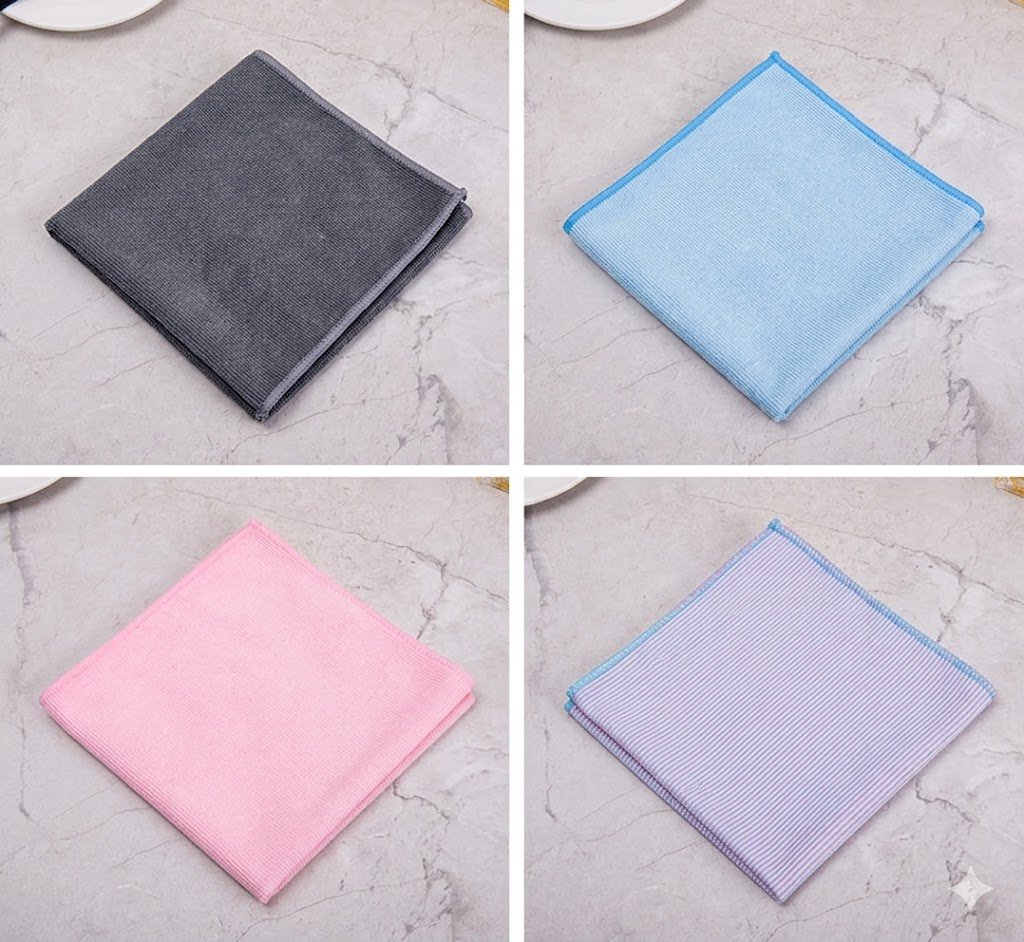
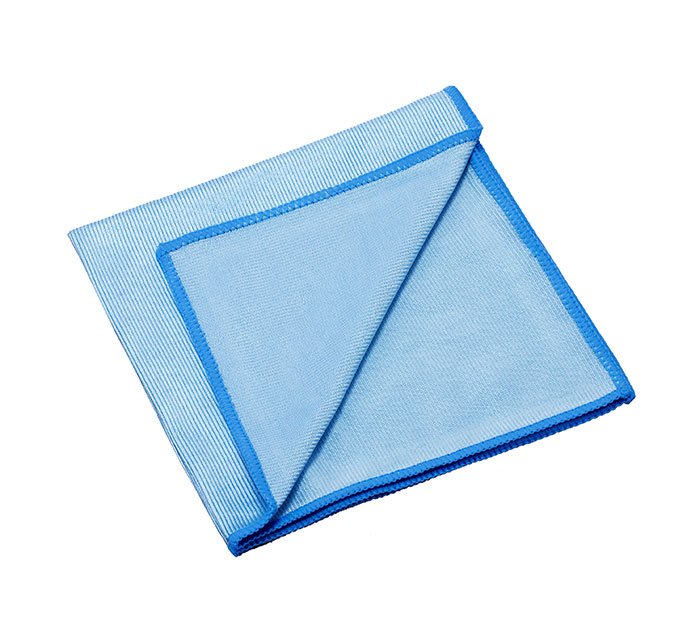
EcoFine’s Premium Microfiber Shiny Glass Cloth is a reusable window and mirror cleaning towel for windows, mirrors, shower glass, stainless-steel exteriors, and vehicle glass. Designed for smooth, reflective surfaces, it supports damp cleaning followed by dry polishing.
Confirm the dimensions, GSM, fiber blend, edge finish, available colors, and pack quantity before ordering.
Shiny Glass Cloth for Cleaning and Final Polishing
EcoFine’s Premium Microfiber Shiny Glass Cloth is a reusable towel for windows, mirrors, shower glass, display cases, and compatible polished surfaces. It supports a two-stage routine: remove everyday marks with a lightly damp cloth, then finish with a clean, dry face to collect remaining moisture.
Reflective surfaces show fingerprints, haze, and residue readily. Keep this cloth dedicated to glass and finishing work rather than mixing it with towels exposed to kitchen grease, dashboard dressing, wax, or floor soil. Clean stock and a controlled amount of liquid are as important as the towel chosen.
Product Details to Check Before Ordering
| Detail | Product information |
|---|---|
| Product | Premium Microfiber Shiny Glass Cloth |
| Primary tasks | Cleaning windows, mirrors, shower glass, display glass, and compatible polished surfaces |
| Cleaning method | Damp wiping followed by dry polishing |
| Applications | Hospitality, offices, retail, janitorial cleaning, and automotive glass |
| Size, GSM, and fiber blend | Confirm the selected specification |
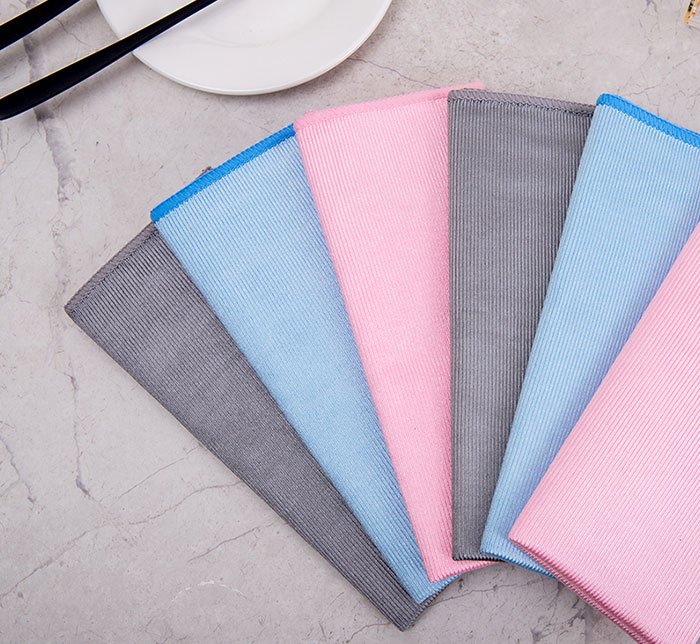
| Edge finish and colors | Confirm before ordering |
| Pack quantity | Confirm the cloth count and quotation basis |
| Commercial options | Wholesale and private-label inquiries through EcoFine’s commercial program |
No fixed dimensions, GSM, fiber percentages, or wash temperature are assigned here without confirmation. Ask for the selected product specification and care instructions when evaluating the cloth for your workplace.
A Two-Cloth Method for Windows and Mirrors
- Check the surface. Remove loose dust and grit before wiping. Check the glass or coating manufacturer’s cleaning instructions and test a discreet area when needed.
- Prepare a cleaning cloth. Lightly dampen a clean towel or use a compatible glass cleaner sparingly. Keep another cloth dry for finishing, particularly on a large pane.
- Work in sections. Wipe from the top downward so remaining dirty moisture does not run over a finished area. Fold the towel and rotate to clean faces as residue builds up.
- Polish while the finishing cloth is dry. Use a fresh face to collect remaining moisture. Replace a saturated towel rather than continuing to redistribute liquid.
- Inspect from different angles. Look for haze and missed edges. Reclean local residue with a clean face instead of adding more spray across the whole surface.
Around mirror edges, frames, switches, lighting, and vulnerable surrounding finishes, control the moisture and follow the applicable care instructions. Do not assume that clean microfiber can protect a surface from hard particles trapped in the fabric.
If the Glass Still Looks Streaky
| What you notice | What to check |
|---|---|
| Wet trails after wiping | Reduce the liquid used and switch to a fresh, dry finishing cloth. |
| Smearing or an oily film | Check for cleaner residue or contamination from grease, wax, or dressing. Use a clean dedicated towel and the surface-approved cleaning process. |
| Visible fibers | Check laundering and storage for transfer from lint-producing fabrics. Inspect the towel before using it for finishing. |
| Marks that remain after polishing | Identify the residue rather than increasing pressure. Soap film or mineral deposits may require a compatible treatment before finishing. |
This cloth supports wiping and polishing; it is not an abrasive tool or a treatment for etched glass.
Applications and Separation by Task
Hotels and offices can reserve cloths for mirrors, partitions, glass doors, and display surfaces. Retail teams can keep dedicated finishing towels for showcases and storefront entrances. In bathrooms, remove soap film with an approved process before polishing compatible shower glass.
For automotive windows, use a cleaner suitable for the glass and any film or coating. Keep glass towels away from tire shine, wax, dashboard products, and mechanical grease. On stainless-steel exteriors or other polished surfaces, follow the finish manufacturer’s instructions rather than treating every reflective material as plain glass.
Use separate general-purpose towels for surrounding dirty surfaces. The 12×12 terry cloth or Terry Stripe Cloth provides an alternative format for routine wiping, allowing the glass towel to stay reserved for finishing.
Laundering a Dedicated Glass Towel
Follow the supplied care label for detergent, washing, and drying. Separate the cloth from lint-producing cotton and heavily greasy towels where practical. Avoid fabric softener and dryer sheets unless the product care instructions permit them.
Dry cloths fully and store them in a clean place away from oily or abrasive supplies.
Frequently Asked Questions
Can I use water instead of glass cleaner?
Light marks may respond to a clean, lightly damp cloth followed by dry polishing. Grease and other residue may need a compatible cleaner. Follow the surface instructions.
Should I use one towel or two?
A clean damp face and a separate dry face can work on a small area. For larger windows and mirrors, separate cleaning and finishing towels help keep the polishing cloth dry.
Will it remove hard-water deposits?
Do not assume that the cloth alone will remove mineral buildup. Use a treatment approved for the glass and coating, then remove residue before the final polish.
Is it suitable for tinted vehicle windows?
Check the film or coating manufacturer’s instructions and use a compatible cleaner. The cloth does not establish compatibility for every automotive film.
How many cloths are supplied?
Confirm the selected pack quantity with EcoFine before ordering; a product listing alone does not establish the per-cloth cost.
Does a shiny appearance prove the surface is disinfected?
No. Appearance and disinfection are separate results. Any required disinfecting process must use an appropriate product and follow its label and workplace procedure. A polishing towel or a visibly clear pane does not by itself establish that the required hygiene process is complete.
What should staff check after a towel is dropped?
Remove it from the finishing task and follow the approved inspection and cleaning process. A quick shake does not establish that particles have been removed from the fabric. Keep replacement finishing towels available so the contaminated item is not returned directly to the glass.
How can repeat orders remain consistent?
Record the accepted dimensions, construction, edge and care requirements with the purchasing specification. Confirm the selected variation and pack quantity for each order. Similar product names should not replace checking the details needed by the team for its established glass-cleaning and polishing routine.
Get a Customized Quote
Request a wholesale quote for microfiber cleaning products, commercial mops and janitorial supplies.
Share the products, quantities, delivery location and any branding requirements below so our team can review your enquiry.

Reviews
There are no reviews yet.