
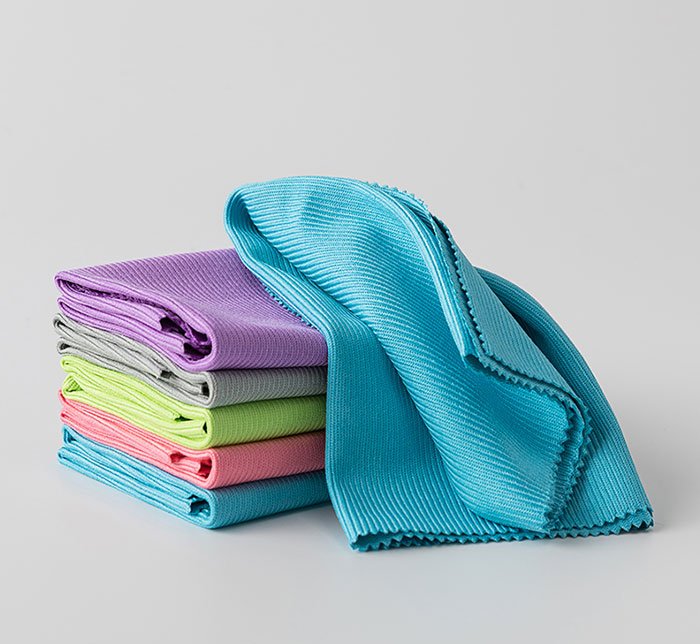
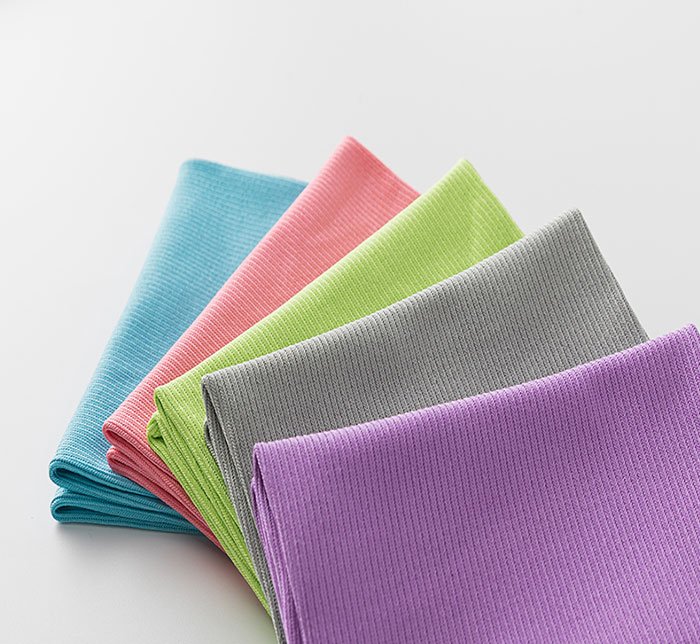
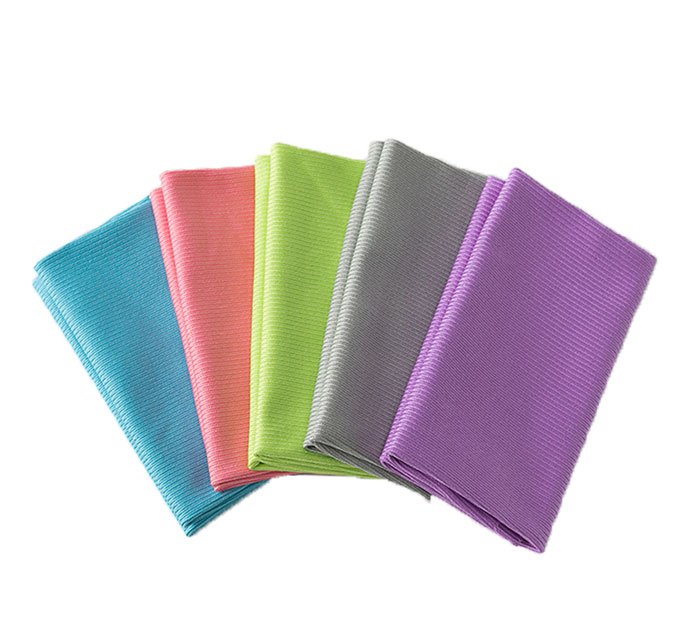
Premium Microfiber Glass Cloth – Streak-Free Window, Mirror & Glass Cleaning Cloth
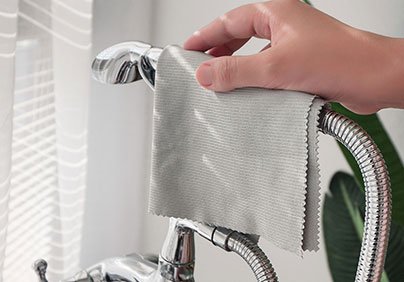
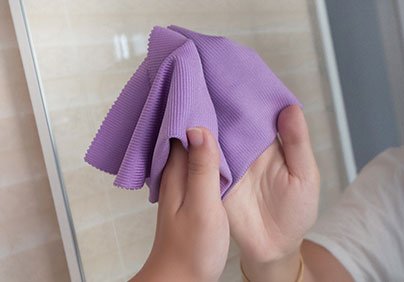
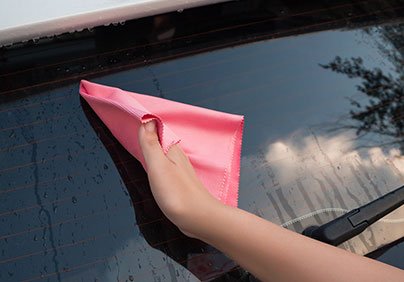
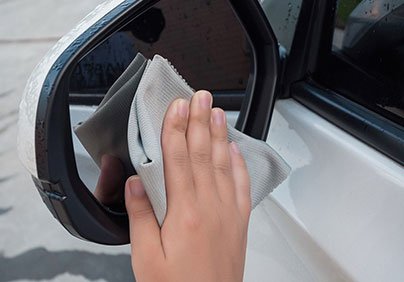
EcoFine’s Premium Microfiber Glass Cloth is designed for windows, mirrors, glass doors, display cases, stainless-steel exteriors, and automotive glass. It provides a reusable option for routine cleaning of smooth, reflective surfaces in hotels, restaurants, offices, dealerships, and commercial facilities.
Confirm the size, GSM, fiber blend, edge finish, available colors, and pack quantity before ordering.
Microfiber Glass Cloth for Everyday Window and Mirror Care
EcoFine’s Premium Microfiber Glass Cloth is a reusable option for routine cleaning of windows, mirrors, glass doors, office partitions, display cases, and compatible smooth surfaces. It supports damp wiping to remove everyday marks and dry polishing to finish the surface.
For commercial teams, the practical priority is keeping a dependable supply of clean glass cloths on the cleaning route. Assign them to reflective surfaces, change them before they become saturated or contaminated, and keep them separate from towels used on floors, heavy grease, or automotive wax.
Product Specification Checklist
| Detail | Product information |
|---|---|
| Product | Premium Microfiber Glass Cloth |
| Primary function | Window, mirror, glass, and compatible smooth-surface cleaning |
| Cleaning methods | Dry polishing, damp wiping, or use with a compatible glass cleaner |
| Reuse | Designed for repeat cleaning and laundering |
| Applications | Homes, hospitality, offices, retail, janitorial work, and vehicle glass |
| Dimensions and GSM | Confirm the selected specification |
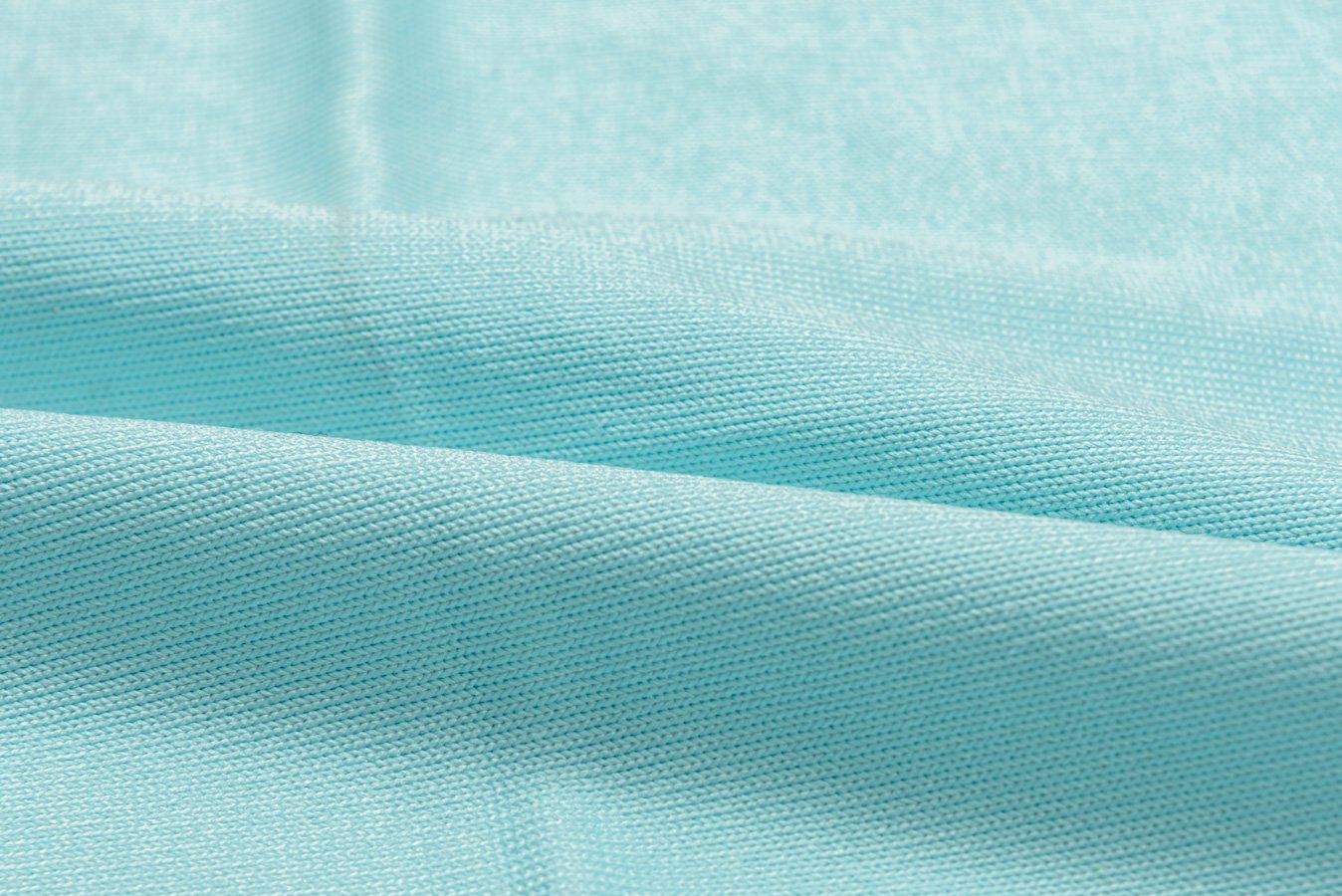
| Fiber blend, edge finish, and colors | Confirm before ordering |
| Pack quantity | Confirm the number of cloths per pack and packs per carton |
| Commercial supply | Wholesale, OEM/ODM, and private-label options |
The product name does not establish an exact weave, fiber percentage, or cloth count. Confirm those details with EcoFine when comparing samples or preparing a purchasing specification.
Building a Glass-Cleaning Route
Identify the surfaces that show marks most often and allocate clean towels accordingly. Entrance doors and showcases may need attention during opening hours, while partitions and guest-room mirrors may be included in a scheduled cleaning round. Choose the frequency according to actual soil and workplace requirements.
- Hotels: reserve cloths for guest-room mirrors, lobby glass, and display surfaces, with separate stock for other cleaning zones.
- Offices: include meeting-room partitions, reception glass, interior windows, and cabinet glass on the route.
- Restaurants and retail: target fingerprints on entrance doors, displays, and glass counters without carrying kitchen grease onto the finishing cloth.
- Vehicle preparation: dedicate cloths to glass and keep them apart from dashboard dressing, tire products, wax, and mechanical work.
Carry separate clean and used-towel storage. Do not return a damp or dirty towel to fresh stock. Plan enough cloths for the route and the laundering turnaround rather than relying on one towel for every pane.
A Controlled Cleaning Sequence
- Inspect first. Check for grit, adhered deposits, coatings, and vulnerable surrounding materials. Follow the surface manufacturer’s care instructions.
- Prepare the towel. Fold into quarters and lightly dampen a working face, or apply a compatible glass cleaner according to its label.
- Wipe a manageable section. Work from the top downward in controlled passes. Rotate faces as residue builds up.
- Finish with dry fabric. Use a fresh dry face or a second clean towel to collect remaining moisture.
- Inspect the finish. View the glass from different angles and address local smears with clean fabric rather than spreading additional cleaner everywhere.
Keep excess spray away from mirror edges, frames, electrical fittings, and unsealed finishes. Applying cleaner to the cloth can provide more control where overspray is a concern, subject to the cleaner and surface instructions.
When a Cloth Alone Is Not Enough
Routine fingerprints and light residue differ from soap film, hardened deposits, or mineral buildup. Identify persistent marks and use an approved treatment for the surface before final wiping. Do not assume that additional pressure will remove every mark safely.
Keeping Glass Cloths Ready for Reuse
Launder according to the supplied care label, including detergent, temperature, and drying requirements. Separate glass cloths from lint-producing cotton and heavily greasy towels where practical. Avoid fabric softener and dryer sheets unless the care instructions permit them.
Store only fully dry cloths in a clean location. Inspect for embedded particles, damaged edges, or persistent oily residue before reuse. Remove unsuitable towels from delicate-surface finishing work.
For surrounding desks, fixtures, and other general wiping tasks, keep a separate format such as the 12×12 terry cloth or Terry Stripe Cloth. This helps preserve a dedicated supply for glass.
Comparing Glass Cloths Before Buying in Volume
EcoFine also offers a Shiny Glass Cloth. Compare confirmed specifications and samples rather than assuming a performance ranking from the product names. Test your usual cleaner and laundering process, then inspect the finish and handling on the surfaces your team maintains.
Frequently Asked Questions
Can the cloth be used dry?
Yes, for light dust and final polishing on compatible surfaces. Remove loose grit first. Use damp wiping or an appropriate cleaner when residue requires it.
Do I need a separate polishing towel?
For a small area, a clean dry face may be sufficient. A second dry cloth is practical for larger surfaces or when the first towel becomes damp.
Can it be used on coated or tinted glass?
Confirm the film or coating manufacturer’s cleaning requirements and choose a compatible cleaner. Do not assume that every glass finish has the same care requirements.
What dimensions and GSM are supplied?
Confirm the selected product specification with EcoFine. Fixed dimensions, GSM, and fiber percentages are not stated here without confirmation.
Are custom labels and packaging available?
EcoFine offers OEM/ODM and private-label inquiries. Provide your branding, pack configuration, and order quantity so available options can be confirmed.
Does glass cleaner quantity affect the result?
Use the cleaner according to its label and avoid adding unnecessary liquid. Excess product or transferred residue may require further wiping rather than being corrected by more polishing alone. Review the whole cleaning process when the surface does not finish as expected.
Can a cloth remove damage from the glass?
A cleaning cloth is not a repair tool for etched or scratched glass. Identify persistent marks before changing pressure or applying another product. Follow the surface manufacturer’s guidance and choose a treatment suited to the actual residue or condition being assessed.
How should processed glass cloths be protected?
Store clean towels separately from used material and from sources of grit, grease or other residues. Keep them assigned to the relevant glass-cleaning tasks. Inspect the fabric before use rather than relying solely on its appearance, color or the fact that it has been washed.
Get a Customized Quote
Request a wholesale quote for microfiber cleaning products, commercial mops and janitorial supplies.
Share the products, quantities, delivery location and any branding requirements below so our team can review your enquiry.

Reviews
There are no reviews yet.