
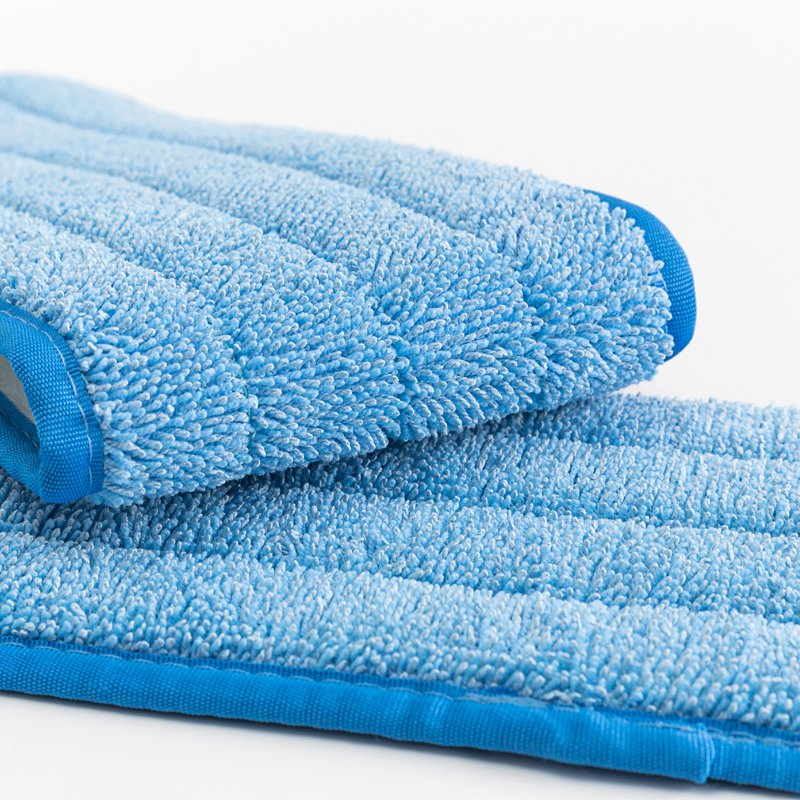
18 Inch Microfiber Wet Mop Pad – Commercial Flat Mop Replacement Pad Pack of 2
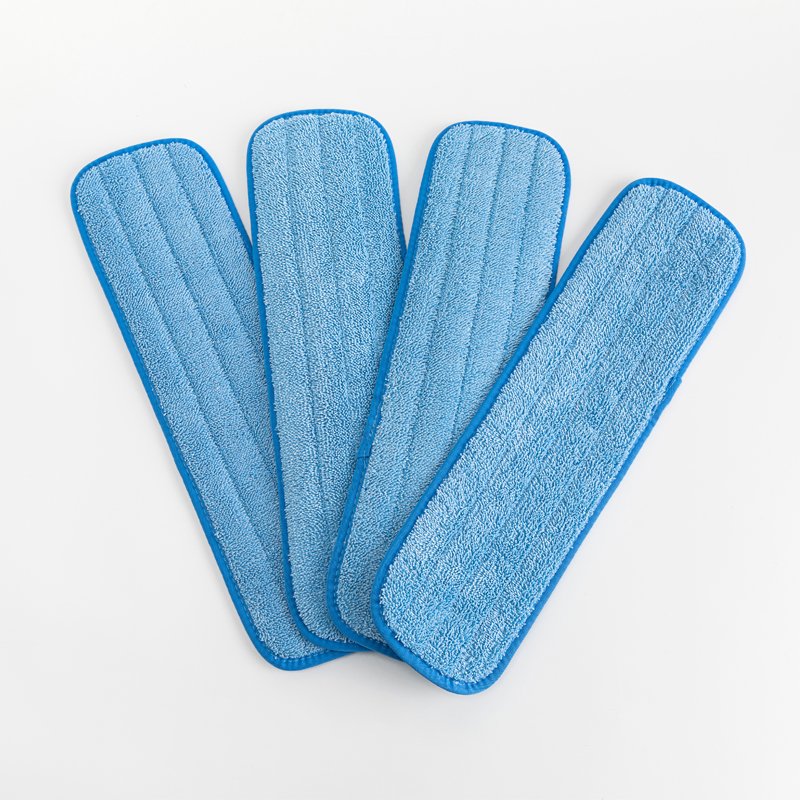
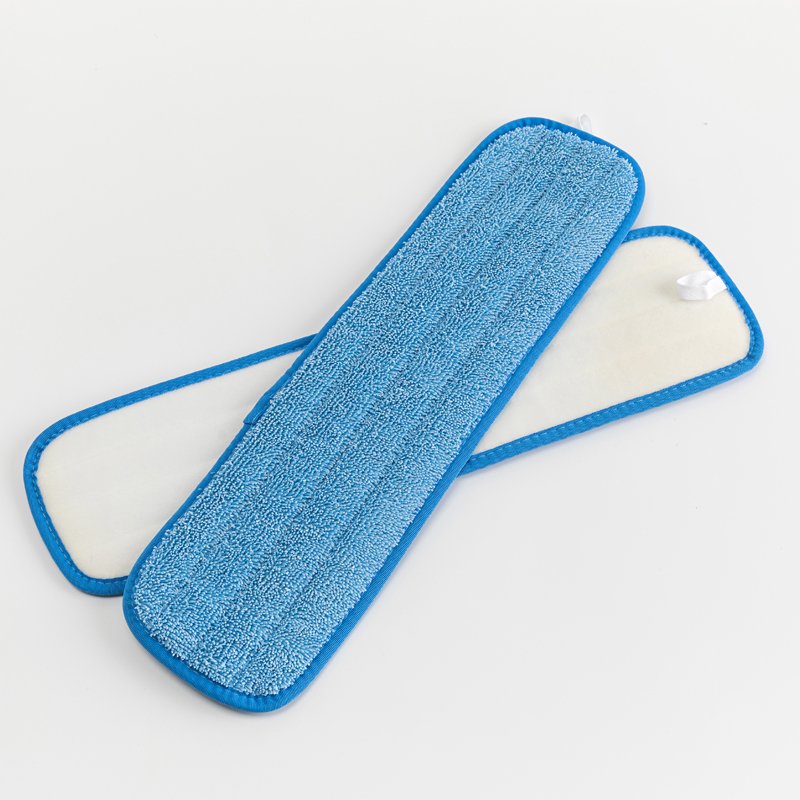
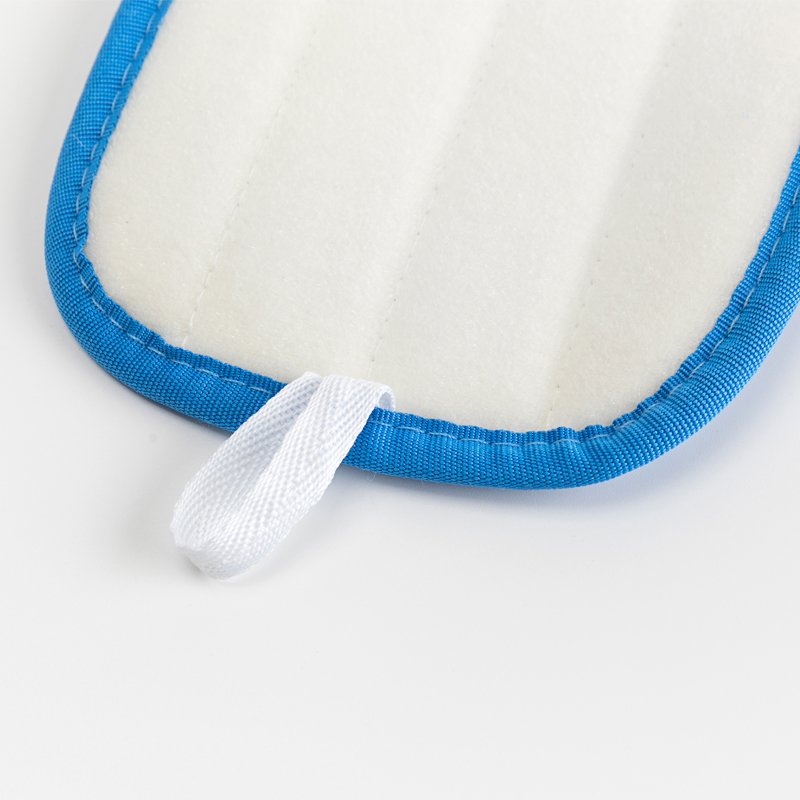
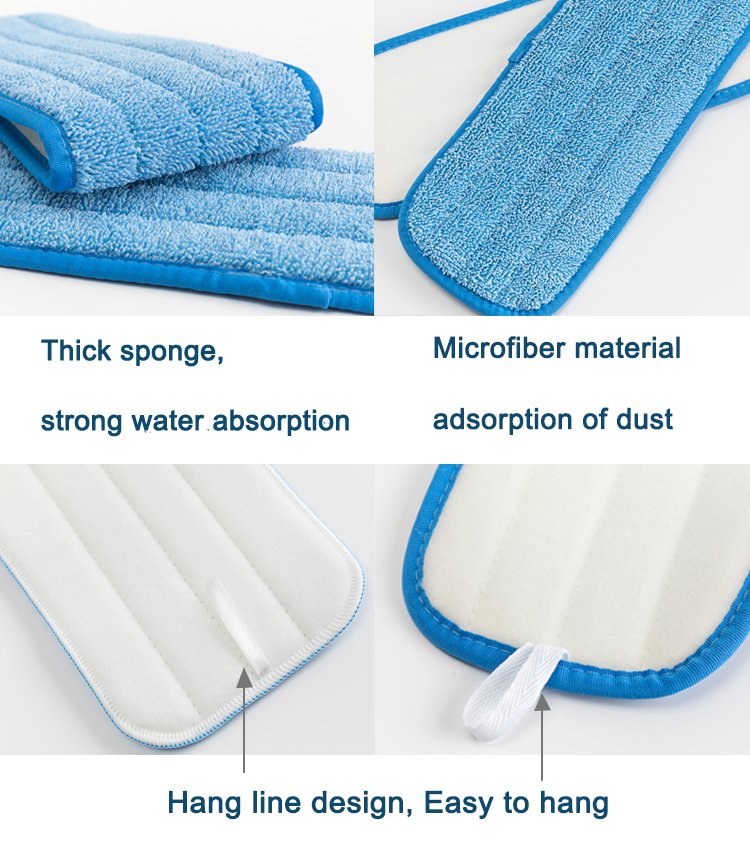
The 18 Inch Microfiber Wet Mop Pad is supplied as a pack of 2 reusable replacement pads for compatible flat mop frames. Each pad has a nominal 5×18-inch format, 470 GSM microfiber face, 80% polyester / 20% polyamide blend, hook-and-loop backing, reinforced edges, and a 3 mm foam core.
Designed for wet and damp maintenance of compatible sealed hard floors. Confirm exact dimensions, frame attachment, selected color, and care instructions before ordering.
18 Inch Microfiber Wet Mop Pad for Compatible Flat Mop Frames
EcoFine’s 18 Inch Microfiber Wet Mop Pad is a reusable replacement pad for wet and damp floor maintenance. The pack contains two pads, each with a microfiber face, hook-and-loop backing, reinforced edges, and a 3 mm foam core.
The 18-inch format is useful where teams need a manageable pad for rooms, corridors, and furnished spaces. Confirm the frame footprint and attachment layout before ordering: an “18 inch” description alone does not establish compatibility with every flat mop system.
Product Specifications
| Specification | Product details |
|---|---|
| Product type | Microfiber wet mopping pad / flat mop replacement pad |
| Nominal pad size | 5 inches × 18 inches; confirm exact production dimensions for frame fit |
| Face weight | 470 GSM microfiber face yarn |
| Material blend | 80% polyester / 20% polyamide |
| Backing | Hook-and-loop attachment |
| Internal fill | 3 mm foam core |
| Edge construction | Reinforced edges |
| Pack quantity | 2 reusable pads |
| Listed colors | Light blue and medium blue; confirm selected availability |
| Primary use | Wet mopping, damp mopping, and routine floor maintenance |
| Commercial options | Bulk and case orders; OEM and private label by request |
Check Frame Fit Before Replacing Pads
Measure the frame’s length and width and compare its attachment strips with the pad backing. The pad should sit securely across the frame without leaving hard edges exposed to the floor. Check the frame manufacturer’s guidance rather than assuming a universal fit.
Inspect existing attachment strips for wear or debris. A replacement pad may not attach reliably to a damaged or incompatible frame. For a larger order, test a sample on the actual frame and handle assembly used by your staff.
Where the 18-Inch Format Fits
The pad is intended for compatible sealed hard floors. Potential applications include tile, vinyl, epoxy, sealed concrete, and other surfaces whose manufacturer permits the chosen mopping method. Laminate and sealed wood require particular attention to moisture and cleaner compatibility.
- Hotels and offices: maintain guest rooms, work areas, corridors, and back-of-house spaces with pads assigned by zone.
- Schools and public buildings: use on suitable classroom, office, and hallway floors under the facility’s cleaning procedure.
- Restaurants: keep dining, kitchen, restroom, and waste-area cleaning assignments separate.
- Healthcare facilities: use only within the facility’s approved cleaning, pad-change, chemical, and laundry procedures.
How to Damp Mop with the Pad
- Prepare the area. Remove loose grit and debris before mopping and follow the workplace’s access-control procedure.
- Attach a clean pad. Align the hook-and-loop backing with the compatible frame and check that it holds securely.
- Control moisture. Prepare the pad with water or an approved floor solution according to the product and flooring instructions. Avoid saturation on moisture-sensitive surfaces.
- Work in controlled passes. Cover a manageable section and avoid dragging a dirty pad repeatedly through a finished area.
- Change pads. Replace the pad when soiled or when required by the facility’s zone-change procedure. Collect used pads separately from clean stock.
For attached deposits, identify the floor and soil before selecting a different approved pad or treatment. Increasing pressure or using an unsuitable chemical can damage the finish.
Using the Two-Pad Pack
Two pads allow one to be prepared while the other is being used or laundered. The pack does not establish a universal room count or floor area per pad; the appropriate change frequency depends on soil, floor conditions, and workplace procedures.
For larger teams, calculate stock around the number of routes, required pad changes, and laundry turnaround. Keep clean pads stored separately and identify restroom, kitchen, general-area, and other assignments as required by the facility.
Laundering and Attachment Checks
Follow the supplied care label for detergent, temperature, and drying. Avoid fabric softener unless expressly allowed, and keep microfiber separate from lint-producing fabrics where practical. Do not assume that an unconfirmed high-temperature or chemical process is suitable for the backing and foam core.
Dry pads fully before storage. Check the microfiber face, stitching, reinforced edges, foam core, and attachment backing before reuse. Replace pads that no longer attach securely or show structural damage.
Bulk and Private-Label Purchasing
For a commercial order, provide your frame measurements and attachment details, required quantity, colors, packaging, delivery destination, and required date. Specify whether the order is counted as individual pads, two-pad packs, or cases.
For OEM or private-label inquiries, include branding and pack requirements.
Frequently Asked Questions
Does the pack include a frame or handle?
This listing is for two replacement pads. Confirm any separate frame or handle purchase with EcoFine.
Will it fit every 18-inch frame?
No universal fit is claimed. Check the frame footprint, attachment strips, and exact pad dimensions.
Is 470 GSM the weight of the whole pad?
The listed 470 GSM specification refers to the microfiber face yarn. The pad also includes its backing and 3 mm foam core.
Can it be used on laminate or sealed wood?
Only with a method and moisture level permitted by the floor manufacturer. Avoid excess liquid and use a compatible cleaner.
When should a pad be replaced?
Change it during use according to soil and workplace procedures. Remove it from service if attachment fails or structural damage makes reuse unsuitable.
Can a fresh pad be fitted over a dirty attachment surface?
Check and clean the frame attachment according to its care directions before fitting a replacement. Debris or accumulated residue can interfere with backing contact. Inspect the full assembly and confirm retention rather than assuming a new pad will correct problems in the frame.
Does a two-pad pack cover every laundry schedule?
Two pads are the listed pack quantity, not a recommendation for the entire facility inventory. Plan stock around the cleaning route, required pad changes and approved laundry turnaround. Keep enough processed material available for the procedure without returning damp or contaminated stock prematurely.
What should be recorded for repeat supply?
Retain the accepted nominal and actual dimensions, backing layout and care requirements with purchasing records. Include the listed material and construction details when requesting replacements. This helps keep the approved pad separate from similar-looking products with a different face weight or attachment.
Get a Customized Quote
Request a wholesale quote for microfiber cleaning products, commercial mops and janitorial supplies.
Share the products, quantities, delivery location and any branding requirements below so our team can review your enquiry.
Reviews
There are no reviews yet.