
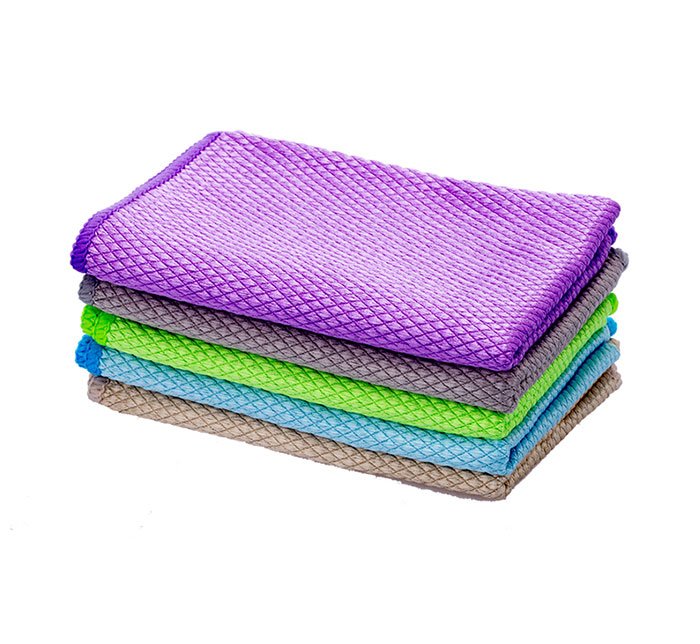
Premium Fish Scale Glass Cloth – Streak-Free Microfiber Glass Cleaning Towel
EcoFine’s Premium Fish Scale Glass Cloth features a textured microfiber weave for wiping fingerprints, moisture, light residue, and everyday smudges from glass, mirrors, compatible stainless-steel surfaces, and vehicle glass.
This reusable towel suits commercial cleaning. Confirm the size, GSM, fiber blend, edge finish, available colors, and pack quantity before ordering.
Fish Scale Glass Cloth with a Textured Microfiber Weave
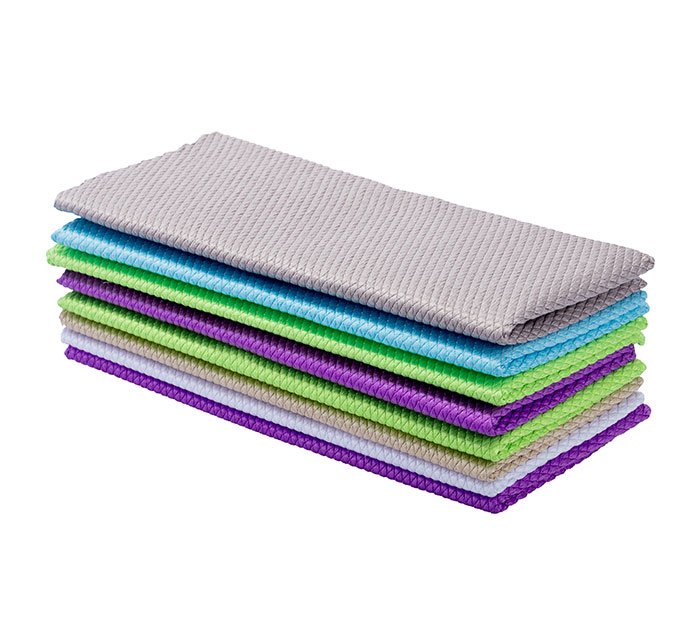
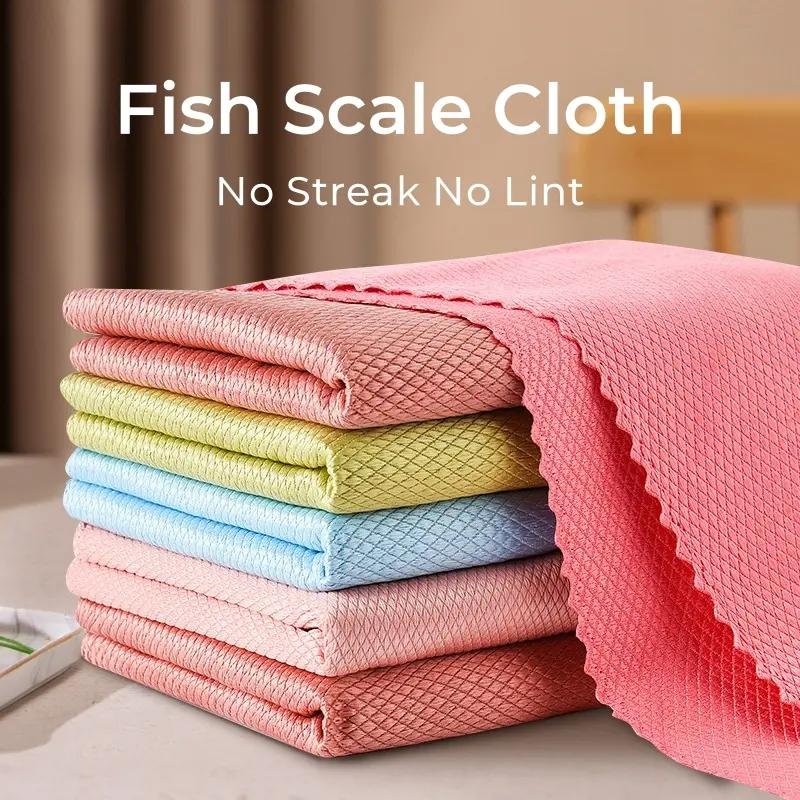
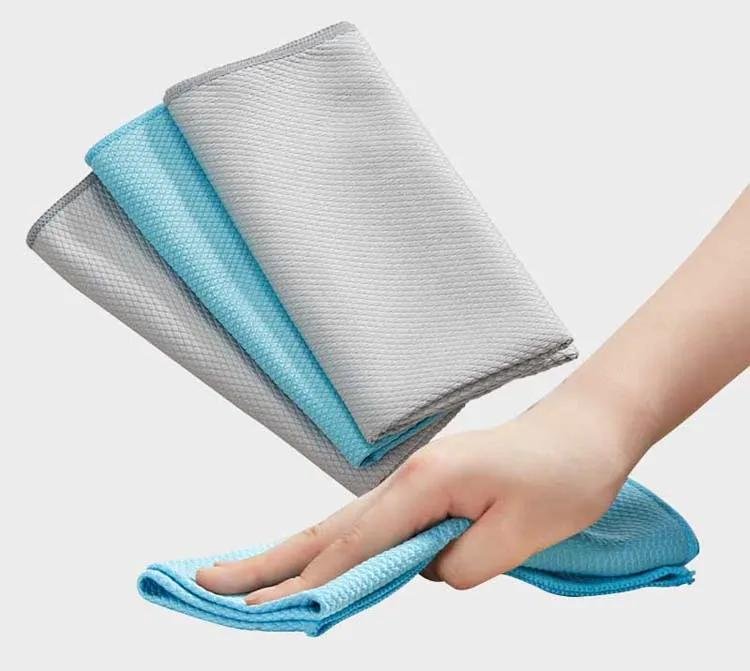
EcoFine’s Premium Fish Scale Glass Cloth is a reusable cleaning towel with a distinctive scale-like surface pattern. It is intended for glass, mirrors, vehicle windows, and compatible polished surfaces where fingerprints, light smudges, and remaining moisture are easy to see.
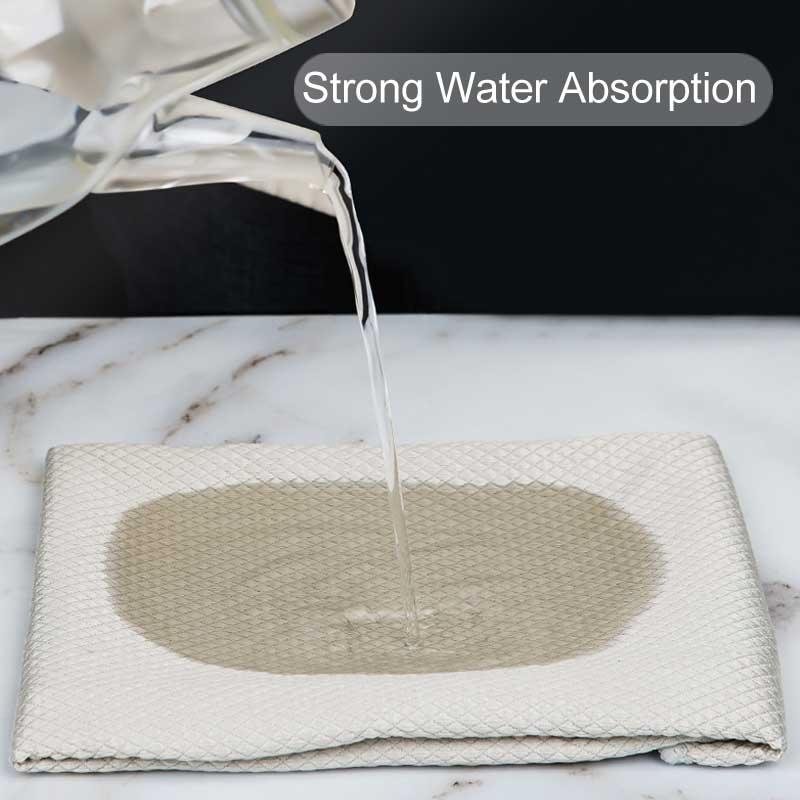
The fish-scale weave is the defining feature of this product. It offers a textured alternative to other glass-cloth formats without the bulky pile of a general-purpose terry towel. Choose it by the confirmed specification and how the sample handles on your surfaces, rather than assuming that the pattern guarantees a particular result.
Features and Specification Guide
| Detail | Product information |
|---|---|
| Product | Premium Fish Scale Glass Cloth |
| Construction | Soft microfiber with a fish-scale textured weave |
| Surface format | Low-lint glass-cleaning surface |
| Main tasks | Collecting fingerprints, moisture, light residue, dust, and everyday smudges; final polishing |
| Listed applications | Glass, mirrors, compatible stainless-steel surfaces, and vehicle glass |
| Reuse | Reusable towel format for household and commercial cleaning |
| Dimensions, GSM, and fiber blend | Confirm before ordering |
| Edge finish, colors, and pack quantity | Confirm the selected specification |
| Commercial supply | Wholesale, OEM, and private-label inquiries |
The product is designed to support a clear finish with correct technique. Low-lint and streak-free positioning does not mean that a dirty cloth, excessive cleaner, or an incompatible treatment will leave every surface clear.
Choosing Fish Scale or Another Glass Cloth
Compare the weave, folded handling, edge finish, and confirmed size against your actual cleaning tasks. EcoFine also offers the Microfiber Glass Cloth and Shiny Glass Cloth. Their names alone do not establish a tested performance ranking.
Suitable Tasks for the Textured Surface
- Hospitality: polish compatible mirrors, lobby glass, shower doors, and display surfaces after routine soil has been removed.
- Retail and offices: maintain entrance glass, showcases, interior partitions, and glass tables.
- Restaurants: reserve clean cloths for entrance doors, display glass, and compatible stainless-steel exteriors.
- Automotive detailing: use dedicated towels for windshields, side windows, rear glass, and mirrors, away from wax and dressing products.
Using the Cloth Without Carrying Residue
- Remove loose particles. Inspect both the surface and towel for sand or grit before wiping.
- Fold into clean working faces. Keep the used section away from the next area and rotate as residue builds up.
- Control liquid. Lightly dampen the cloth or use a compatible cleaner as directed. Avoid soaking mirror edges, frames, and vulnerable surrounding materials.
- Wipe and finish separately. Use a damp face for everyday marks, then a clean dry face for moisture and light polishing. For a large pane, keep a second towel dry.
- Replace when needed. Change a saturated or contaminated cloth rather than continuing to spread residue across the glass.
Visible smearing can come from grease, cleaner residue, or a towel contaminated with wax or softener. Check those causes before adding pressure. If soap film or mineral buildup remains, use an approved surface treatment before polishing; the cloth alone does not establish a deposit-removal method.
Separate Glass Finishing from General Cleaning
Keep fish-scale cloths assigned to finishing work rather than using them on oily tools, floors, and general kitchen grease. Labeled storage or a confirmed color-coding system can help staff distinguish clean glass stock from towels for other tasks.
For surrounding counters and furniture, use a separate format such as the 12×12 microfiber terry cloth. If a larger hand-wiping area is needed, compare the 16×16 terry cloth. Keep used cloths out of the clean supply while they await laundering.
Care and Storage Between Uses
Follow the supplied product care label for washing, detergent, and drying. Keep glass towels separate from lint-producing fabrics and heavily greasy loads where practical. Avoid fabric softener and dryer sheets unless the care instructions permit them.
Dry the cloth completely before storage and inspect it before returning it to service. Remove towels with embedded particles, damaged edges, or persistent contamination from delicate-surface finishing. Do not assign an unconfirmed wash temperature or expected number of wash cycles to the product.
Wholesale and Private-Label Orders
Provide the required dimensions, GSM, fiber blend, colors, edge finish, pack quantity, order volume, packaging, branding, delivery destination, and required date. Ask EcoFine to confirm sample availability and the specification attached to the quotation.
Confirm the number of cloths represented by the quoted price before calculating unit cost.
Frequently Asked Questions
Does fish scale describe the material?
It describes the scale-like textured weave. The product is microfiber; confirm exact fiber percentages with EcoFine if needed for purchasing.
Is the textured cloth suitable for delicate coatings?
Check the coating manufacturer’s instructions and test discreetly where appropriate. Clean fabric can still carry grit that may mark a finish.
Will it remove hard-water marks?
Do not assume the towel alone will remove mineral deposits. Identify the residue and use a treatment approved for the glass and coating before final polishing.
Can it replace a full vehicle-drying towel?
Its main role is glass and smooth-surface cleaning and finishing. Select a dedicated vehicle-drying towel when full exterior drying is required.
What size and quantity are supplied?
Confirm the selected dimensions, cloth count per pack, and carton quantity before ordering. These details are not fixed by the product name.
Does texture justify using more pressure on glass?
No. Identify the residue and follow the glass or coating manufacturer’s care instructions. Increasing pressure can be the wrong response to a deposit that needs an approved treatment. Use suitable clean fabric and stop when the chosen process is inappropriate for the finish.
Should vehicle-glass cloths be shared with utility areas?
Keep glass-finishing stock separate from towels used around wheels, oily components or other dirty work. Follow the assigned collection and care process before reuse. A cloth that feels dry can still contain particles or residue that interfere with the next reflective surface.
What should be inspected before final polishing?
Check the fabric and edges for grit, loose debris and hardened residues. Select an appropriate clean working face and control the liquid on the glass. Use fresh finishing material when the first towel becomes too damp or soiled to produce the required result.
Get a Customized Quote
Request a wholesale quote for microfiber cleaning products, commercial mops and janitorial supplies.
Share the products, quantities, delivery location and any branding requirements below so our team can review your enquiry.
Reviews
There are no reviews yet.