
Premium Microfiber Waffle Check Cloth – Ultra Absorbent Multipurpose Cleaning Towel
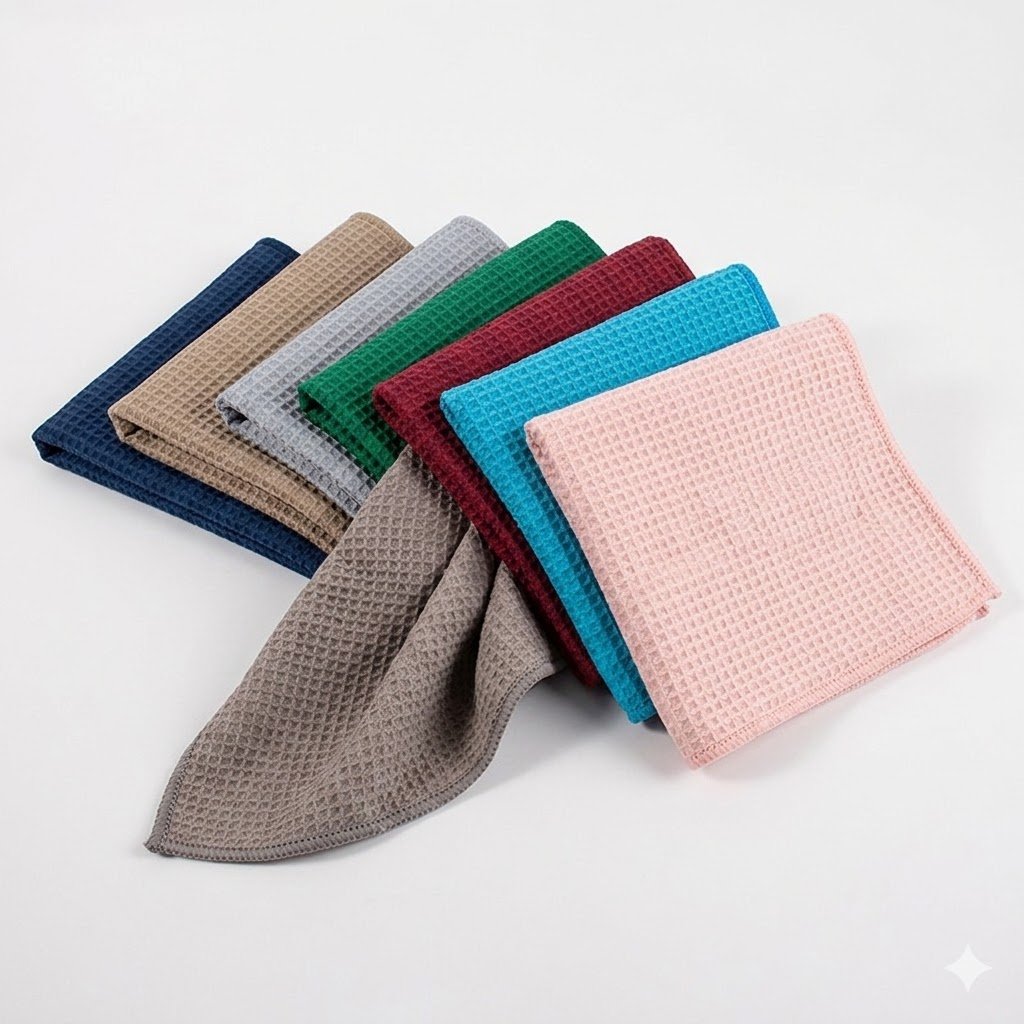
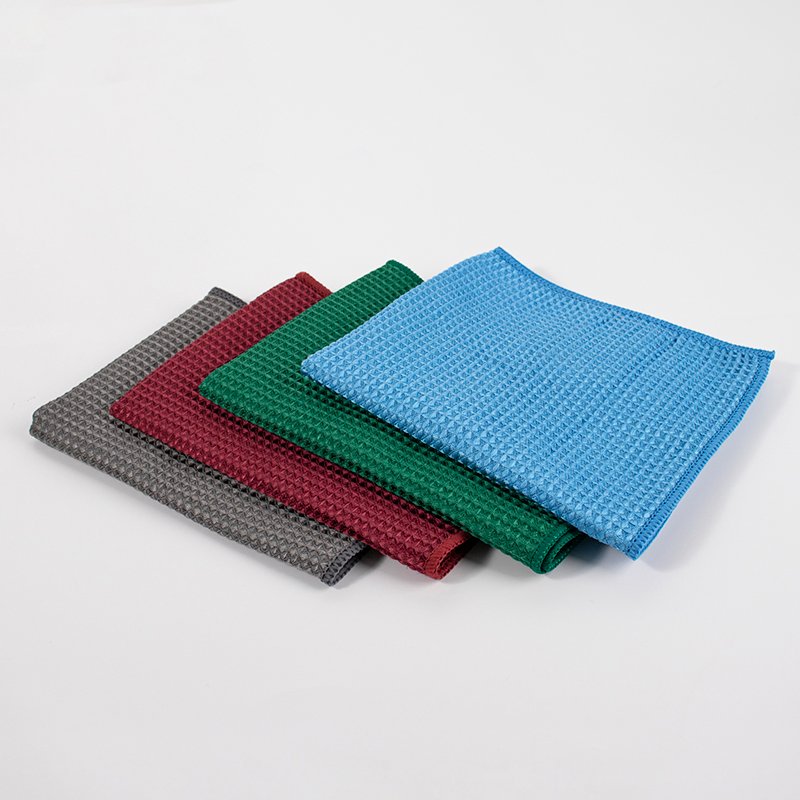
EcoFine’s Premium Microfiber Waffle Check Cloth uses a textured grid-style microfiber weave for moisture pickup, everyday wiping, drying, and light polishing on compatible surfaces.
Lightweight, reusable, and machine washable, it suits kitchens, hospitality, offices, janitorial work, and vehicle detailing. Confirm the size, GSM, fiber blend, edge finish, colors, and pack quantity before ordering.
Microfiber Waffle Check Cloth for Busy Cleaning Stations
EcoFine’s Premium Microfiber Waffle Check Cloth is a lightweight, reusable towel with a textured grid-style weave. It supports moisture pickup, everyday wiping, drying, and light polishing in kitchens, restaurants, hotels, offices, and other commercial cleaning environments.
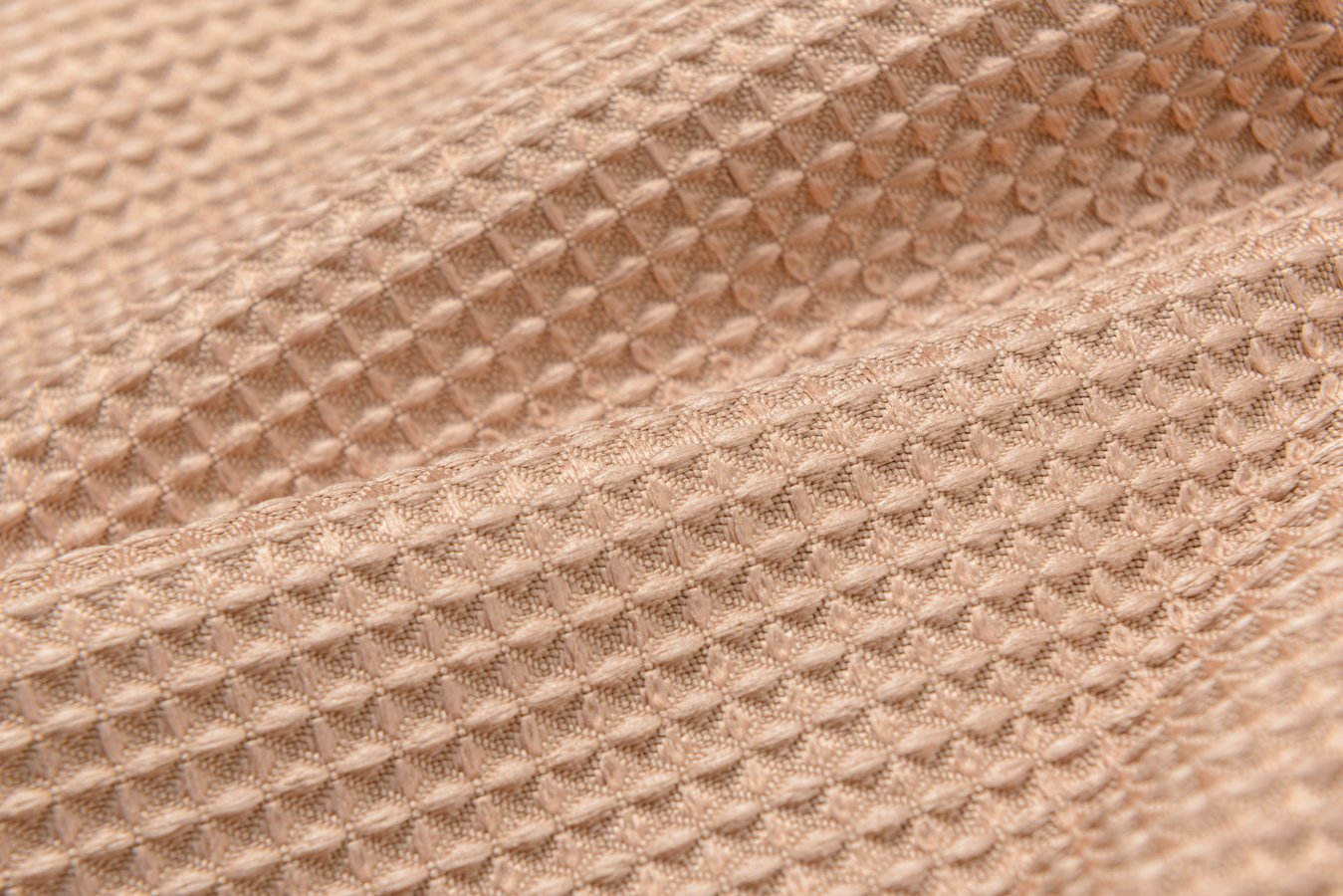
The waffle-check surface is the defining feature of this option. It offers a patterned fabric for teams that prefer a low-profile cleaning cloth. Select the confirmed dimensions and GSM for the task rather than assuming that the product name identifies a specific size, thickness, or pack quantity.
Product Details and Available Options
| Detail | Product information |
|---|---|
| Product | Premium Microfiber Waffle Check Cloth |
| Fabric style | Waffle-check microfiber weave with a textured grid surface |
| Main tasks | Absorbing moisture, drying, wiping, and light polishing |
| Listed performance | Absorbent, quick drying, low-lint, and streak-free cleaning with correct use |
| Care format | Reusable, lightweight, and machine washable |
| Applications | Kitchens, restaurants, hospitality, offices, vehicle detailing, glass, mirrors, compatible stainless steel, and janitorial work |
| Size and GSM | Multiple options; confirm the selected specification |
| Colors | Standard and custom options; confirm availability |
| Order details | Confirm fiber blend, edge finish, cloth count, and packaging |
| Commercial supply | Wholesale, bulk packaging, logo customization, OEM, and private label |
Assigning Cloths Around a Kitchen or Restaurant
Set up a defined task for each cloth rather than carrying the same towel through every station. Suitable tasks include small-spill collection, wiping sealed counters, cleaning compatible appliance exteriors, and drying appropriate washable surfaces.
- Dining areas: keep a dedicated supply for tables and front-of-house surfaces.
- Kitchen stations: assign cloths according to the workplace’s procedures and keep them distinct from towels used elsewhere.
- Sink and appliance areas: change damp or soiled cloths promptly instead of moving residue to another surface.
- Waste areas, floors, and restrooms: use separately assigned cleaning materials and collection points.
Using the Check Weave for Wiping and Drying
- Inspect: remove loose grit and check that the towel is clean and suitable for the surface.
- Fold: create several working faces so a fresh section can be used when the current one becomes soiled.
- Choose dry or damp use: use dry fabric for moisture pickup or light dust, and lightly damp fabric for routine residue with a compatible cleaner where needed.
- Rotate and replace: change working faces as moisture builds up. Collect a saturated or contaminated cloth for laundering.
- Finish: use a clean, dry face for remaining moisture or light polishing when appropriate.
Avoid excessive liquid around electrical fittings, screens, unsealed materials, and exposed edges.
Housekeeping, Glass, and Vehicle Work
Housekeeping teams can assign waffle-check cloths to compatible counters, fixtures, glass tabletops, and guest-room surfaces. Keep bathroom, kitchen, and general room cloths separate under the property’s cleaning system.
For windows or mirrors, remove loose debris first, use minimal cleaner, and finish with dry fabric. A dirty towel or excess liquid may leave streaks regardless of the weave. For dedicated glass care, compare the Fish Scale Glass Cloth or Microfiber Glass Cloth.
Vehicle applications include compatible glass, interior wiping, and moisture pickup.
Planning Clean Stock and Laundering
Keep fresh cloths in clean storage and used towels in a designated collection area. If colors identify tasks, confirm the available colors and give staff consistent assignments. Stock enough cloths to cover a shift while used towels are washed and dried.
Follow the supplied care label for wash temperature, detergent, and drying. Separate microfiber from lint-producing fabrics where practical and keep heavily greasy loads away from finishing towels. Avoid fabric softener and dryer sheets unless the care instructions permit them.
Store cloths only when fully dry. Inspect for damaged edges, embedded grit, or persistent residue before reuse, and remove unsuitable towels from delicate-surface work.
Comparing the Waffle Check Option
Compare this product with the Microfiber Waffle Cloth using confirmed dimensions, GSM, blend, and edge finish. The names alone do not establish a measurable difference in absorption, durability, or drying speed. Evaluate samples with your actual surfaces and laundering process.
For a different fabric texture, review the 12×12 Terry Check Cloth.
Wholesale and Custom Packaging
For a commercial inquiry, provide the required dimensions, GSM, fiber blend, colors, edge finish, pack count, order quantity, delivery destination, and required date. Include logo artwork and packaging requirements for OEM or private-label supply.
Confirm the quantity represented by the selected price or quotation before calculating unit cost.
Frequently Asked Questions
What does waffle check mean?
It describes the textured grid-style weave. It does not specify the exact dimensions, GSM, blend, or cloth count.
Can one cloth be moved between kitchen and restroom work?
Keep towels assigned to separate hygiene zones according to your workplace procedures. Do not transfer a used cloth directly between those tasks.
Is it suitable for polished surfaces?
Use it only on compatible finishes with clean fabric and an appropriate method. Check the surface instructions and test discreetly when necessary.
Can I choose custom colors and branding?
Custom colors, logos, and private-label options are offered. Confirm the selected specifications and order requirements with EcoFine.
How many cloths are supplied?
Confirm the selected pack and carton quantities before ordering. Do not infer the count from the product name.
Does the grid weave replace a dedicated scrubber?
A textured grid does not establish suitability for abrasive cleaning or attached deposits on every finish. Identify the soil and follow the surface-care instructions. Use another approved tool where required rather than increasing pressure simply because the cloth has a visible texture.
When should a damp working face be changed?
Change faces or towels as soil and moisture build up, following the cleaning procedure. Do not move contaminated fabric directly into final polishing. A clean dry face or separately assigned finishing cloth is preferable when the next stage requires moisture removal without transferring residue.
What should be checked before cloths return to a station?
Inspect processed fabric for debris, damaged edges and remaining residues. Store it according to the care label and workplace arrangements, separated from used material. Clear identification helps staff select a cloth for the correct task even when several colors or fabric types are present.
Get a Customized Quote
Request a wholesale quote for microfiber cleaning products, commercial mops and janitorial supplies.
Share the products, quantities, delivery location and any branding requirements below so our team can review your enquiry.
Reviews
There are no reviews yet.