
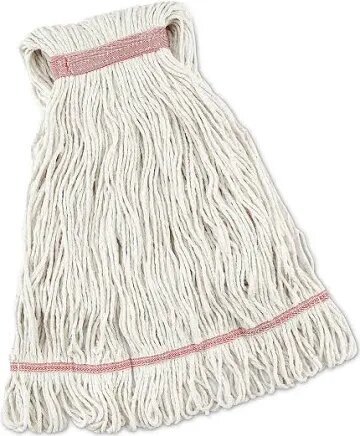
Commercial Cotton Wet Mop – Professional Wet Floor Cleaning Mop
EcoFine’s Commercial Cotton Wet Mop is a cotton-yarn option for routine wet floor cleaning, liquid pickup, and cleaning-solution application with compatible equipment.
Confirm head size, dry weight, yarn-end design, headband or attachment, handle fit, colors, care instructions, and pack contents before ordering. Bulk, wholesale, OEM, and private-label inquiries are supported.
Commercial Cotton Wet Mop for Bucket-and-Wringer Cleaning
EcoFine’s Commercial Cotton Wet Mop is a traditional cotton-yarn option for wet floor maintenance, routine liquid pickup, and cleaning-solution application. It is offered for janitorial teams, restaurants, schools, hotels, offices, warehouses, and other facilities using compatible mop equipment.
Select the head size, dry weight, attachment, and pack configuration for your cleaning route. The product name does not establish a particular ounce weight, headband width, cut-end or looped-end design, or whether a handle is included.
Product Information and Ordering Checklist
| Detail | Product information |
|---|---|
| Product type | Commercial cotton wet mop |
| Mop-head material | Cotton |
| Primary application | Wet floor cleaning and routine maintenance |
| Head size and dry weight | Confirm the selected specification |
| Yarn and end construction | Confirm the selected design |
| Headband and attachment | Confirm fit with the intended handle |
| Colors | Confirm available options |
| Pack quantity and included parts | Confirm head-only or complete setup and the order quantity |
| Wholesale supply | Available; confirm bulk and case configuration |
| OEM and private label | Available by request |
Match the Mop Head to the Equipment
Check the headband or attachment style against the handle clamp or connector. Confirm that the head is retained securely during mopping and wringing. A similar-looking handle is not proof of compatibility.
Match the selected head size and weight with the bucket and wringer. Assess how easily staff can prepare, wring, move, and store the complete assembly. A larger head is not automatically the best choice for every room or operator.
Before a larger order, trial a sample on the actual equipment used by your team. Record the attachment details, head specification, and pack contents so repeat purchases match the approved system.
Choosing Cotton for the Cleaning Route
Cotton yarn is used for water pickup and traditional wet-mopping routines. Consider the floor area, room layout, soil, wringing method, and laundry or replacement process when selecting a head.
- Restaurants and kitchens: assign separate mops to dining, kitchen, restroom, and waste-area tasks under the site procedure.
- Schools and offices: match the head to classrooms, service spaces, and common-area routes.
- Hotels: keep back-of-house and other cleaning-zone assignments distinct.
- Warehouses and facilities: check floor compatibility and the soil-removal process before using a traditional wet mop.
For a flat-pad alternative, compare the 18 Inch Microfiber Wet Mop Pad or Double-Sided Microfiber Mop Pad.
Floor Compatibility and Moisture Control
Use on compatible sealed hard floors where the manufacturer permits the selected wet or damp method. Check the instructions for tile, vinyl, sealed concrete, stone, laminate, wood, and specialty finishes rather than treating all hard floors alike.
Control the solution and wringing so the mop does not leave excessive liquid. Test the approved cleaning method in a small suitable area when needed. A cotton mop is a cleaning textile, not a disinfectant or a guarantee of sanitation.
A Practical Wet-Mopping Sequence
- Prepare the route. Remove loose particles and follow the workplace’s wet-floor access-control procedure.
- Check the assembly. Secure the mop head to the compatible handle and inspect it for debris or damage.
- Prepare the solution. Follow the cleaning-product instructions and flooring requirements for dilution and application.
- Wring appropriately. Adjust moisture for the permitted floor-cleaning method rather than leaving the head excessively dripping.
- Clean controlled sections. Work from cleaner areas toward dirtier sections, rinsing and wringing as required by the process.
- Refresh supplies. Change soiled solution and mop heads according to the site procedure. Keep used equipment separate from clean stock.
Complete any required rinsing, drying, or other treatment before returning the area to normal use.
Care and Replacement
Obtain the care instructions for the selected cotton head before choosing a wash process. Cotton material alone does not establish machine-laundering suitability, bleach tolerance, drying settings, or an expected number of wash cycles.
After use, follow the approved cleaning and drying procedure and store equipment so it can dry properly. Inspect the yarn, headband, seams, and attachment for wear, embedded debris, or damage before reuse.
Replace heads that no longer attach securely or are unsuitable for the intended cleaning work.
Bulk Supply and Specification Approval
For a quote, provide the intended use, required head size and dry weight, yarn construction, headband or connector, colors, quantity, packaging, delivery destination, and required date. Include label and carton requirements for OEM or private-label supply.
Confirm whether the selected price or quotation covers a replacement head, a complete mop, or a case. Keep the approved sample and component list with the order to avoid incompatible replacements.
Frequently Asked Questions
Is the handle included?
Confirm the selected pack contents with EcoFine. Do not assume a handle is included from the word mop alone.
What ounce weight is this head?
The dry weight requires confirmation for the selected specification. No fixed ounce size is assigned here.
Is it cut-end or looped-end?
Confirm the yarn-end design, headband, and attachment before ordering.
Can it be used on wood or laminate?
Only with a method and moisture level permitted by the flooring manufacturer. Avoid assuming compatibility with unrestricted wet mopping.
Can I order case quantities or branded packaging?
Wholesale, bulk, OEM, and private-label inquiries are supported. Share the specification, quantity, and packaging requirements for confirmation.
How should a team assess saturated working weight?
Evaluate the supplied head with the intended liquid loading and wringer rather than judging only its dry appearance. The operator should be able to guide and wring it comfortably. Equipment fit and the cleaning route matter alongside the amount of yarn supplied.
Is every liquid suitable for pickup with this mop?
Identify a spill before choosing equipment. Unknown substances, hazardous materials and regulated waste may require a separate response procedure. The description of a general cotton cleaning mop does not establish suitability for all chemicals or authorize movement of contaminated liquid between areas.
What matters when storing the head after cleaning?
Follow the supplied drying instructions and keep ready equipment separate from used stock. Do not leave a saturated head immersed in dirty solution between routes. Inspect its yarn and attachment before reuse, and remove items that cannot be returned to a suitable condition.
Get a Customized Quote
Request a wholesale quote for microfiber cleaning products, commercial mops and janitorial supplies.
Share the products, quantities, delivery location and any branding requirements below so our team can review your enquiry.
Reviews
There are no reviews yet.