
Commercial Dust Mop Frame – Premium Floor Dusting Hardware
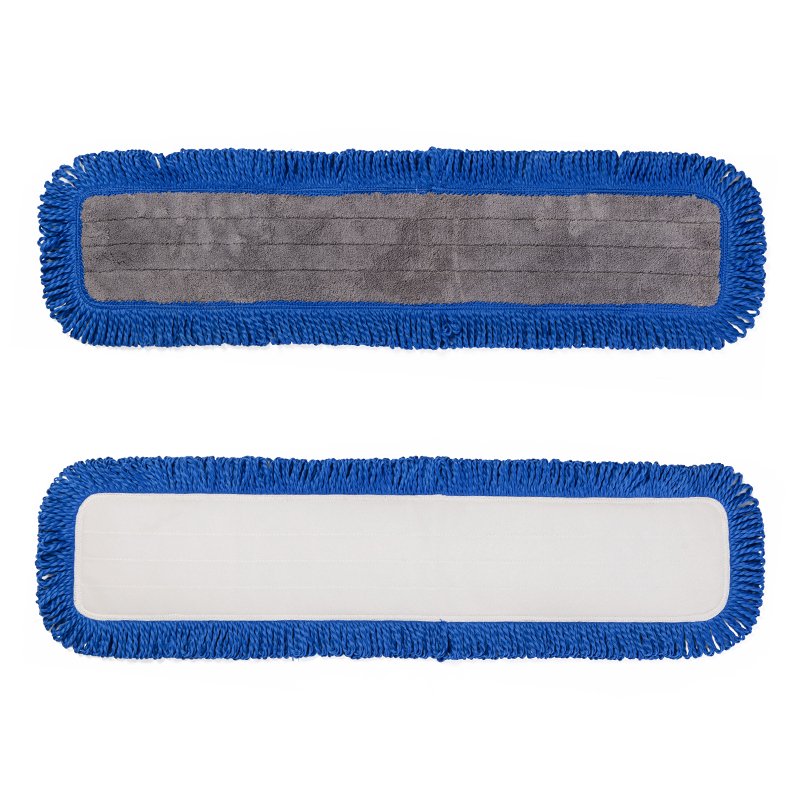
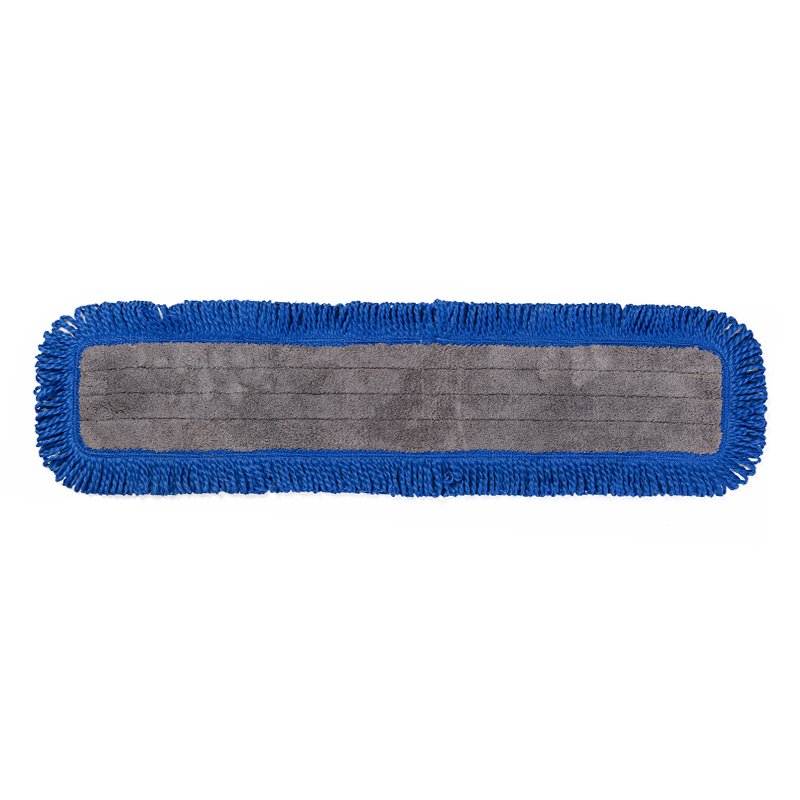
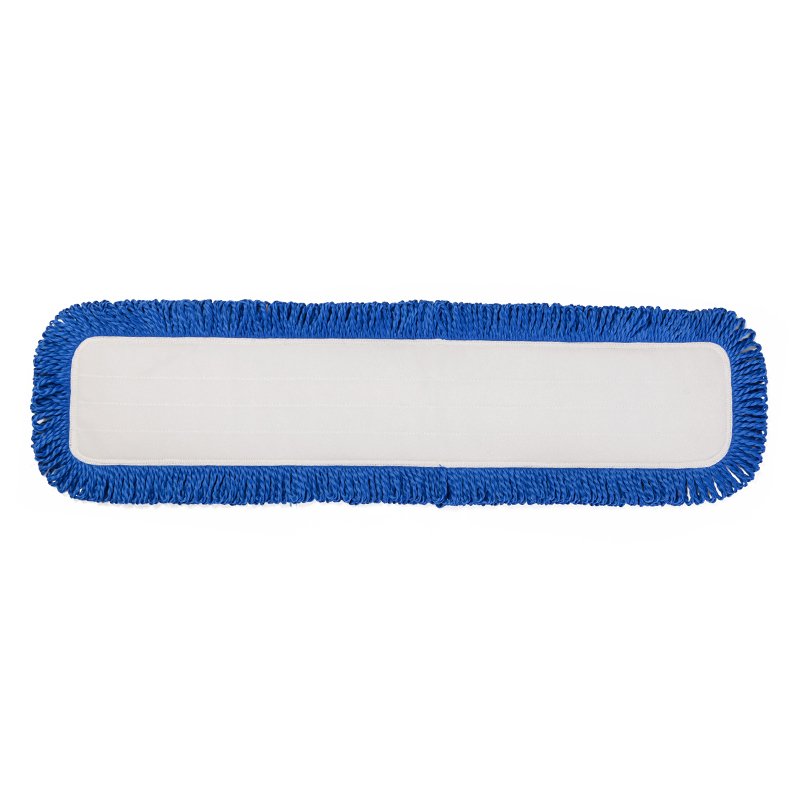
EcoFine’s Commercial Dust Mop Frame supports a compatible microfiber dust-mop head for dry-floor dust and loose-debris collection. Use it as replacement hardware or request a matched head-and-handle system.
Confirm actual frame dimensions, head attachment, handle connector, material, coating, and included components before ordering. Bulk, case, and distributor inquiries are supported.
Commercial Dust Mop Frame for Dry-Floor Preparation
EcoFine’s Commercial Dust Mop Frame supports a compatible reusable dust-mop head as part of a frame, head, and handle system. Its role is to hold the cleaning textile open while the complete assembly collects loose dust, hair, lint, crumbs, and everyday dry debris.
Choose it as replacement hardware or request a matched system. Confirm dimensions, head attachment, and handle connection before ordering. This listing does not establish a particular metal, coating, fixed width, or universal fit.
Product Information and Compatibility Details
| Detail | Product information |
|---|---|
| Product type | Commercial dust mop frame / dust-mop head frame |
| Primary role | Dry dust mopping and loose-debris removal with a compatible head |
| Head compatibility | Compatible microfiber dust-mop heads; confirm size and attachment design |
| Dimensions | Confirm actual frame length and width |
| Material, coating, and color | Confirm the selected specification |
| Handle connection | Confirm connector type and fit |
| Pack format | Single frame or case quantity; confirm selected contents |
| Handle | Available separately or within a confirmed system quote |
| Commercial supply | Bulk, case, and distributor inquiries |
| OEM or custom supply | Confirm requirements with EcoFine |
Match the Frame to the Dust-Mop Head
Measure the head’s intended frame pocket or attachment area and compare it with the actual frame dimensions. Check the insertion opening, closure, and way the textile is retained. Nominal head width alone does not establish a secure fit.
The textile should cover the hardware appropriately during use. Do not place a damaged or exposed hard edge against the floor. Inspect existing heads for worn pockets or closures before assuming that a new frame will solve a retention problem.
Check the Handle Connection
Confirm how the handle attaches, whether the connector matches your existing equipment, and how the assembled head turns or locks. Do not infer a specified swivel range from the phrase dust mop frame.
For a replacement order, provide the connector details and existing head measurements.
Selecting a Size for the Route
Choose a confirmed width according to the floor layout rather than a keyword or an assumed stock size. Open corridors and broad rooms may allow wider equipment, while furniture, narrow doorways, fixed shelving, and storage constraints may favor a more compact setup.
- Schools and offices: assess classroom furniture, corridors, reception areas, and storage.
- Hotels and retail: check access around fixtures, displays, and guest or customer traffic.
- Warehouses: evaluate aisles, floor condition, and the site’s debris-collection procedure.
- Healthcare or other controlled facilities: use only equipment and methods permitted by the site’s approved cleaning procedures.
Using a Dry Dust-Mop System
- Inspect the area and equipment. Select the appropriate method for the floor and debris under workplace procedures.
- Fit a clean head. Secure the compatible textile to the frame and attach the approved handle.
- Check coverage and retention. Ensure hard hardware cannot contact the floor and the head stays in place during controlled movement.
- Work in smooth passes. Follow the site’s route and avoid repeatedly carrying collected debris back through a finished section.
- Collect debris appropriately. Use the workplace’s removal method and change the head when needed rather than continuing with overloaded fabric.
- Separate used textiles. Place them in designated storage for the approved cleaning or laundering process.
The frame itself does not collect soil without a suitable head.
Dry Dusting and Wet Mopping Are Different Setups
Dry dusting can prepare a suitable floor by removing loose debris before wet maintenance. Attached residue, spills, or other soil may require a separate approved process. A dust-mop frame should not automatically be treated as a wet-pad holder.
For wet maintenance, review the 18 Inch Microfiber Wet Mop Pad and its own frame requirements. EcoFine also lists a Commercial Flat Mop Frame; confirm the complete wet-cleaning assembly separately.
Hardware Care and Replacement
Remove the textile head for its approved care process. Clean and dry the frame according to the hardware instructions, checking chemical compatibility with the body, finish, and connector. Do not assume rust resistance or a particular coating without confirmation.
Inspect for bending, cracks, sharp edges, loose joints, or insecure attachment before reuse. Replace damaged hardware rather than forcing a connection or operating with exposed edges. Store the assembly so the head and connector are not unnecessarily distorted.
Bulk Purchasing and System Quotes
Provide frame dimensions, dust-head design, handle connector, material or finish requirements, quantity, packaging, delivery destination, and required date. Include branding or case-packing requirements for custom inquiries.
Confirm whether the selected price or quotation covers a frame, a case, or a complete head-and-handle bundle.
Frequently Asked Questions
Does the listing include a dust-mop head and handle?
Confirm selected pack contents. Heads and handles may be separate or part of a specifically quoted bundle.
What width is supplied?
Confirm actual frame length and width with EcoFine before ordering. No fixed width is assigned here.
Is it steel, zinc-plated, or powder-coated?
Material and coating require confirmation for the selected frame.
Will it fit my existing dust head?
Check actual dimensions, pocket or attachment design, closure, and handle connector rather than the product name alone.
Can it hold wet mop pads?
Do not assume that use. Confirm an approved wet-cleaning frame and pad system separately.
When should the frame be taken out of service?
Stop using hardware that is bent, damaged or unable to hold the head and handle securely. Remove it from the available equipment supply until the approved repair or replacement decision is complete. A fitted textile head does not make damaged underlying hardware suitable.
How should a replacement assembly be checked?
Fit the approved head and handle, then inspect retention and movement before starting a cleaning route. Check the complete assembly rather than measuring the frame alone. Keep the accepted dimensions and connection details available to the person responsible for future replacement orders.
How should clean frames and heads be organized?
Store hardware so it does not damage adjacent textiles or create an obstruction. Keep processed heads separate from used material awaiting cleaning. Identify the intended route or zone under the facility procedure so staff do not select equipment solely from its appearance.
Get a Customized Quote
Request a wholesale quote for microfiber cleaning products, commercial mops and janitorial supplies.
Share the products, quantities, delivery location and any branding requirements below so our team can review your enquiry.

Reviews
There are no reviews yet.