
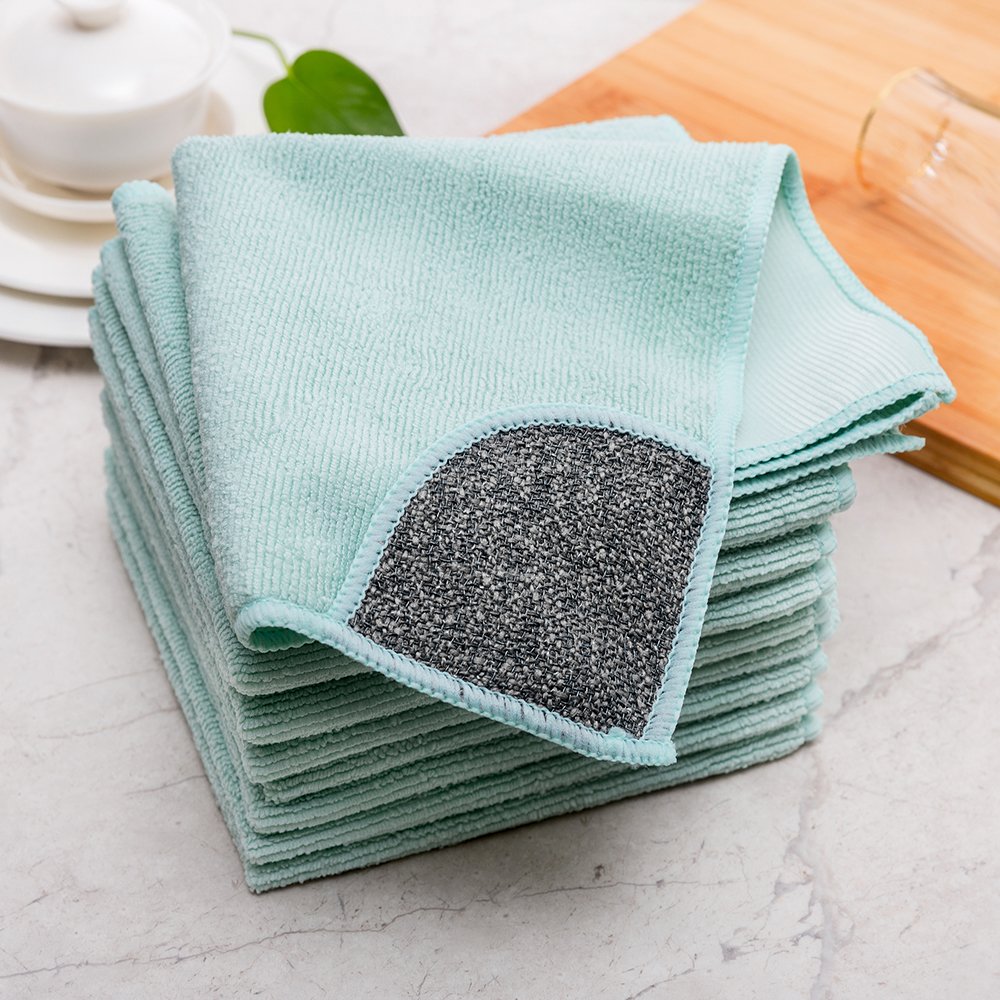
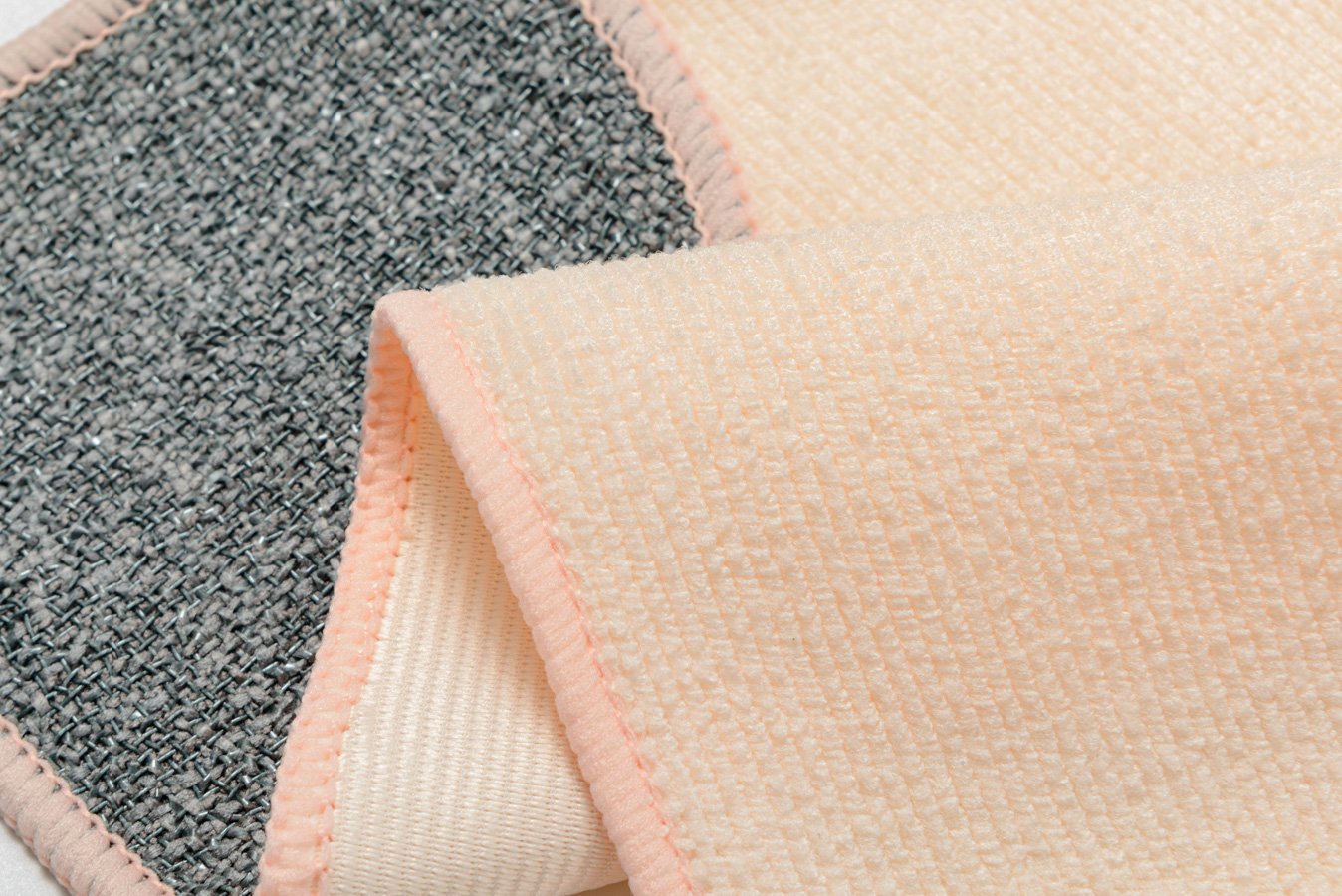
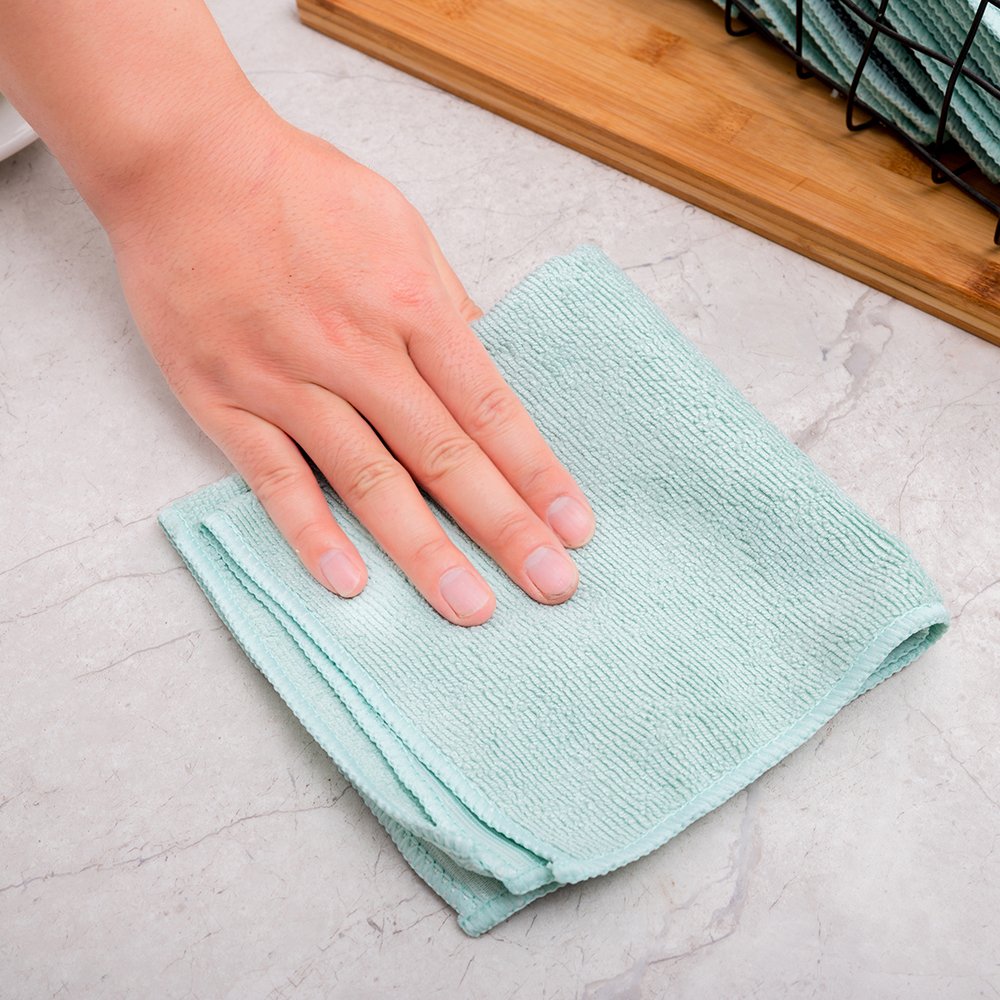
Premium Microfiber 3-in-1 Cleaning Cloth – Multipurpose Scrub, Wipe & Polish Towel
EcoFine’s Premium Microfiber 3-in-1 Cleaning Cloth supports light scrubbing, wiping, and polishing on compatible surfaces. Rotate to clean faces between stages and use a fresh towel when soil or moisture builds up.
Reusable and machine washable, it suits commercial cleaning kits. Confirm the size, GSM, fiber blend, construction, colors, and selected pack quantity before ordering.
Microfiber 3-in-1 Cloth for Scrubbing, Wiping, and Polishing
EcoFine’s Premium Microfiber 3-in-1 Cleaning Cloth supports three stages of everyday surface care: loosening suitable light residue, wiping away soil and moisture, and finishing with clean fabric. Its reusable format suits cleaning kits, housekeeping carts, restaurant stations, offices, and homes.
The 3-in-1 description refers to cleaning functions. It does not establish that the cloth has three separate physical layers, that every surface is suitable for scrubbing, or that one soiled towel should be used for an entire cleaning route. Confirm the selected construction and match the method to the surface.
Product Features and Order Details
| Detail | Product information |
|---|---|
| Product | Premium Microfiber 3-in-1 Cleaning Cloth |
| Core functions | Light scrubbing, wiping, and polishing |
| Listed surfaces | Compatible counters, sinks, glass, mirrors, stainless steel, desks, appliance exteriors, and bathroom fixtures |
| Care format | Reusable and machine washable; follow the supplied care label |
| Listed pack options | 5-pack, 6-pack, 12-pack, and 50-pack; confirm selected availability and configuration |
| Dimensions, GSM, and fiber blend | Confirm the selected specification |
| Colors, construction, and edge finish | Confirm before ordering |
| Commercial supply | Wholesale, distributor, and bulk inquiries |
| Branding | OEM and private-label options |
Confirm which pack or variation the selected price represents. The available pack sizes alone do not identify the number of cloths supplied at that amount.
The Three Cleaning Stages
1. Loosen Suitable Light Residue
Check the surface instructions, remove loose grit, and inspect the cloth before use. Lightly dampen it and use a compatible cleaner where needed. Apply controlled pressure to a suitable area rather than treating the cloth as an aggressive scourer.
Dried splashes or light marks may need a cleaner’s approved contact time before wiping. Stop if the finish changes or the surface instructions prohibit scrubbing. Non-stick coatings, screens, painted finishes, polished stone, and other sensitive materials may require a different tool or method.
2. Wipe Away Soil and Moisture
Rotate to a clean working face to collect loosened residue. Fold the cloth so unused sections remain available, and change faces before spreading soil across the next area. Replace a saturated or heavily contaminated towel rather than attempting to complete every stage with dirty fabric.
Use controlled liquid around appliance seams, electrical fittings, mirror edges, and unsealed materials. Follow the surface and cleaning-product instructions for any required rinsing or subsequent treatment.
3. Finish with Clean, Dry Fabric
Use a fresh dry face for remaining moisture or light polishing on compatible smooth surfaces. If the cloth has collected grease, grit, or heavy soil, use a separate clean finishing towel. Combining functions does not remove the need for clean fabric.
For dedicated glass finishing, compare the Fish Scale Glass Cloth or Microfiber Glass Cloth.
Where It Fits in a Commercial Cleaning Kit
- Kitchens and restaurants: assign cloths for compatible counters, sink surrounds, tables, and appliance exteriors under the workplace cleaning procedure.
- Offices: use designated stock for desks, reception counters, cabinet fronts, shelves, and break-room fixtures.
- Housekeeping: define separate assignments for guest-room furniture, bathroom fixtures, and public-area surfaces.
- Home cleaning: keep kitchen, bathroom, floor, and general-wiping cloths separately assigned.
Physical wiping does not replace required sanitizing or disinfection.
When a Different Cloth Is More Appropriate
For a specified scrubbing-and-soft-wiping construction, compare the Microfiber Scrubbing Cloth with Soft Wiping Side. For kitchen-focused use, review the Scrubbing Kitchen Cloth. Confirm samples and specifications rather than assuming the names establish a tested performance ranking.
If the priority is organized dispensing of fresh wiping sheets, the 12×12 microfiber cloth roll offers a different supply format. Confirm the sheet count and selected specification before comparing quantities.
Care and Inspection for Reuse
Follow the supplied care label for detergent, wash temperature, drying, and first-use washing. Separate heavily greasy towels from those reserved for glass or finishing. Keep microfiber away from lint-producing laundry where practical, and avoid fabric softener or dryer sheets unless the care instructions permit them.
Dry cloths completely before storage and keep clean stock separate from used towels.
Evaluating a Sample and Ordering in Volume
Assess the selected sample through all three intended functions using your actual surfaces, compatible cleaner, and permitted laundry process. Record handling, residue pickup, finishing results, and fabric condition after washing. Do not assign an unconfirmed wash-cycle life or guaranteed scratch-free performance.
For wholesale or private-label supply, provide dimensions, GSM, fiber blend, construction, edge finish, colors, pack count, total quantity, branding, packaging, delivery destination, and required date.
Frequently Asked Questions
Does 3-in-1 mean three separate sides or layers?
It describes the scrub, wipe, and polish functions. Confirm the physical construction against the selected sample rather than inferring layers from the name.
Can I complete every stage with one cloth?
Only while suitable clean working faces remain. Use a fresh towel when it becomes saturated, gritty, greasy, or heavily soiled.
Is it suitable for every delicate finish?
No universal compatibility is claimed. Follow the surface care instructions and test discreetly where appropriate.
Which pack quantity is included?
Confirm the selected 5-, 6-, 12-, or 50-pack option, its availability, and the quantity represented by the price.
Is branded packaging available?
OEM and private-label options are offered. Share your specifications, artwork, packaging, and quantity requirements for confirmation.
How should cloths be assigned between work areas?
Identify cleaning zones and keep used fabric separate from processed stock. A multifunction cloth does not mean one towel should travel through every hygiene area. Follow the workplace’s collection, cleaning and replacement procedure when moving between surfaces or changing to another cleaning task.
When should a separate finishing cloth be selected?
Use fresh finishing material when the previous face contains moisture, grease or loosened soil that could affect the result. The polishing stage needs a suitable clean surface. Completing a wiping task does not establish that the same working face remains ready for final finishing.
What should be inspected after laundering?
Check the working fabric and edges for debris, hardened residue or damage before returning a towel to service. Follow the care label for drying and storage. Reusability describes the product format; its actual condition determines whether another cleaning task is appropriate.
1 review for Premium Microfiber 3-in-1 Cleaning Cloth – Multipurpose Scrub, Wipe & Polish Towel
Get a Customized Quote
Request a wholesale quote for microfiber cleaning products, commercial mops and janitorial supplies.
Share the products, quantities, delivery location and any branding requirements below so our team can review your enquiry.
george –
High-Quality Products