Browse the latest articles below, or open the reader guide to find a topic matching your question. Product-specific instructions and facility procedures should guide the actual cleaning process.
Reader guide, topic directory and FAQs
Find the Guide That Matches Your Question
Start with the decision you need to make. A question about when to retire a cloth is different from a question about how many clean cloths to keep in reserve. Selecting a focused article helps avoid transferring advice from one problem to another.
Describe the observed issue before comparing products. Note the equipment, surface, cleaning solution and care process involved. That context makes an article’s explanation easier to assess against your operation and helps identify information still needed.
Product Selection and Equipment Fit
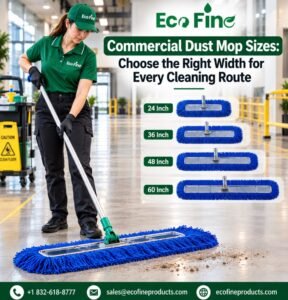
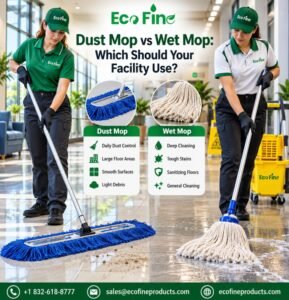
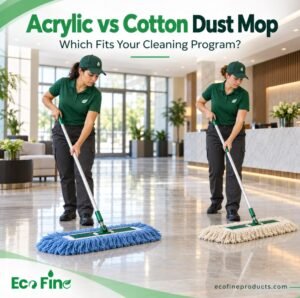
Read product comparisons as explanations of relevant differences. Material, construction, dimensions and attachment details can each affect selection. A comparison between two product families is a starting point for reviewing the exact items available.
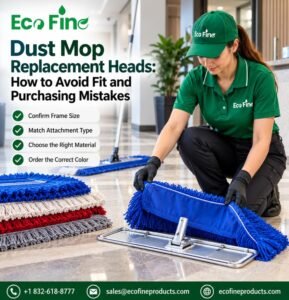
For floor-care equipment, look for the relationship between the pad or head and the frame or handle. If a pad slips, bunches or fails to cover the working surface, the pad slipping and bunching guide organizes the system checks. Confirm the selected specifications before purchasing replacements.
Care and Cleaning Process Questions
Maintenance articles help identify variables to inspect. A change in residue, lint or handling may involve the cleaning textile, detergent, drying process, surface or operator method. Keep observations connected to the process actually used.
Use the product’s care instructions as the reference for approved washing and drying conditions. Do not transfer a temperature limit, chemical tolerance or service-life figure from a different item simply because both products are described as microfiber.
Inventory and Purchasing Decisions
Buying guides distinguish product quantity from operational demand. Stock in use, material awaiting laundering and clean reserve stock all affect the purchasing discussion. Read inventory examples with your own daily demand and turnaround records available.
Cost comparisons also need a consistent basis. Identify whether a quoted amount refers to an individual cloth, pack or carton. Consider the scope described in the article and replace illustrative assumptions with records from your business before drawing a purchasing conclusion.
Private Label and Distributor Planning
For branded products, begin with the private-label towel specification guide. It connects the intended use with measurable product details, artwork, packaging and sample review.
When a project involves several items, keep each specification separate. A cleaning cloth, drying towel and mop pad may require different construction and evaluation. General branding guidance should support a specific project brief rather than replace it.
Using an Article During a Team Review
Share the article relevant to the current question and identify the section you want the team to consider. Collect observations from the people using, laundering and receiving the products. Their records may explain differences that a product name alone cannot resolve.
For a proposed change, document what is being compared and what result would count as acceptable. Keep the approved product reference with the decision. This makes later review possible without relying on memory or a generic recommendation.
Reading the Full Article
The cards below provide titles and excerpts. Open an article for its complete explanation, examples and qualifications. Use the page controls to browse older entries when a relevant subject is not among the newest posts.
Product availability and order details require confirmation for the selected item. Explore the commercial product catalog or send a focused question through the contact page when the article does not address your exact configuration.
Two Other Useful Starting Points
The color-coded cloth workflow guide addresses how assignments move through storage, use and laundry. Use it when the question concerns organizing a team’s process rather than choosing a color in isolation.
The cut-end versus looped-end comparison separates construction from material and size. Use it to identify the variables in a mop comparison before attributing a price or handling difference to one feature alone. Review the linked article before applying its explanation to a different setting or item. Both topics benefit from specific information about the products and procedures being considered.
Frequently Asked Questions
Who are these commercial cleaning guides for?
They are written for facility teams, cleaning contractors, hospitality operators, distributors and business buyers reviewing cleaning textiles and floor-care processes.
Where should I start with a microfiber problem?
Choose the guide matching the observed problem, such as streaking, pad movement, stock shortages or replacement decisions. Record the conditions before changing products.
Do examples establish my facility’s actual costs?
No. Apply your own purchase, laundry, loss and usage records. An example explains a method; it does not establish your result or a guaranteed saving.
Can a guide confirm a particular frame fit?
Use the exact product and equipment specifications to confirm compatibility. General explanations cannot establish fit for every pad, frame or attachment.
Are article recommendations a replacement for care instructions?
Follow the selected product’s approved care instructions and your facility procedures. Read a guide within that specific operational context.
How do I find older articles?
Use the article listing and its pagination. Select a title to read the full article rather than relying only on the card excerpt.
Where can I check a product mentioned in a guide?
Open the linked product listing and confirm its current specification, pack quantity and availability for the item you are considering.
Can I ask about a business purchasing question?
Yes. Contact EcoFine with the relevant article, product reference and operating requirements so the question can be addressed specifically.